



CFRP Shells Fail Under Multiaxial Loads: Why One‑Direction Tests Mislead Engineers
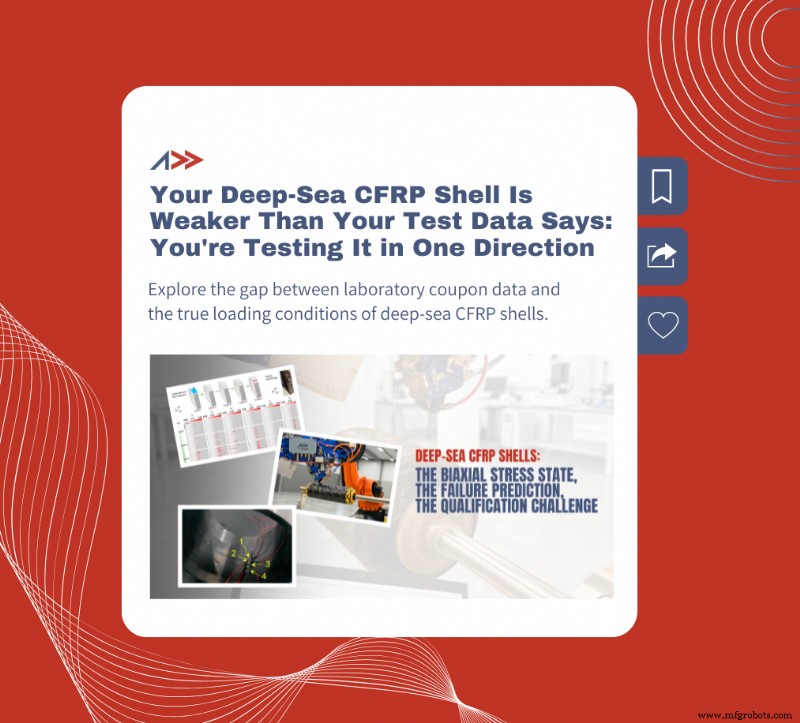
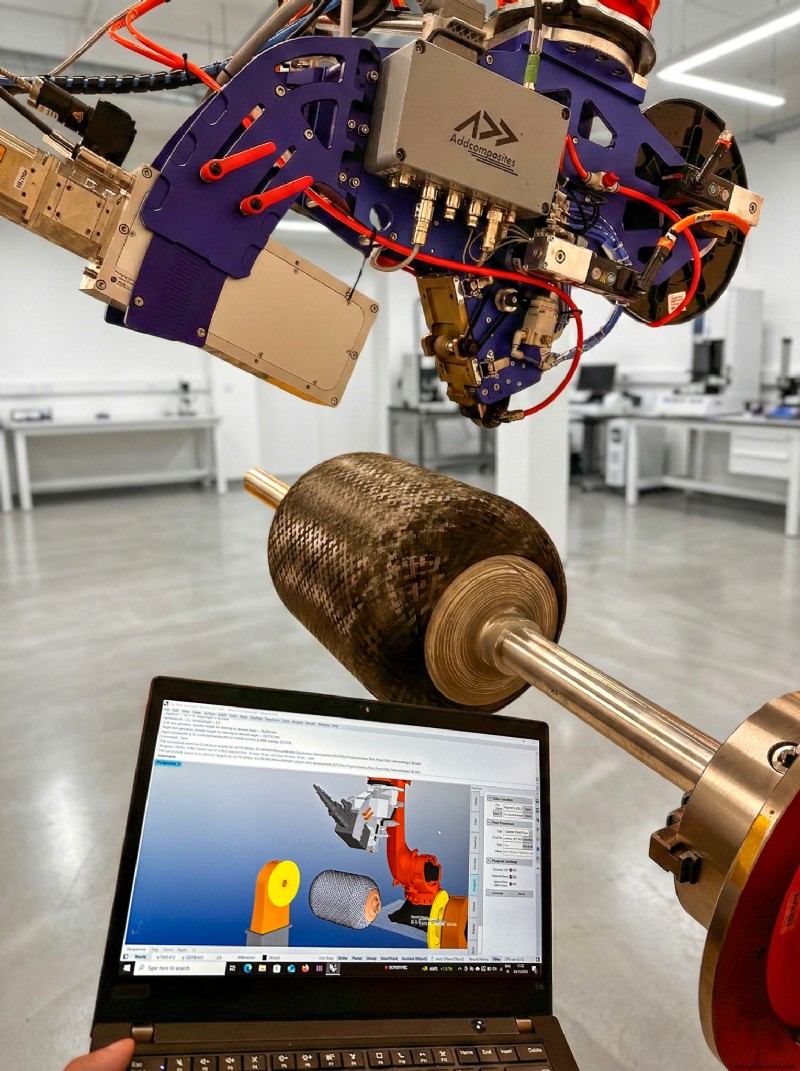
This article explains why CFRP shells used in deep‑sea vessels can be deceptively strong when tested in only one direction, yet fail under the complex, multiaxial stresses encountered in service.
Why One‑Direction Testing Is Insufficient
Composite materials are highly anisotropic. Their mechanical properties vary dramatically along the fiber direction and across the lay‑up. A test that loads a plate only along its strongest axis can give an overly optimistic strength prediction.
Real‑World Loading Conditions
In deep‑sea applications, shells are subjected to hydrostatic pressure, wave‑induced bending, internal pressure from pumps, and torsional loads from dynamic movements. These forces act simultaneously, creating a stress state that is far more complex than a single‑axis test.
Advanced Testing Methodologies
To capture the true performance of a CFRP shell, engineers employ:
- Multiaxial tensile‑bending rigs
- Finite‑element simulations calibrated with experimental data
- In‑situ acoustic emission monitoring during pressure tests
These techniques reveal damage mechanisms such as fiber‑matrix debonding, delamination, and inter‑laminar shear failures that are invisible in one‑direction tests.
Case Study: Deep‑Sea ROV Hull
During a pressure test of a remotely operated vehicle (ROV) hull, the shell survived up to 2,500 psi in a static hydrostatic test but began to fail at 1,200 psi when a dynamic bending load was introduced. The failure was traced to a delamination at the 90° fiber ply, a damage mode that would never appear in a single‑axis tensile test.
Best Practices for Designers
1. Use a full lamination sequence that balances strength and stiffness in all directions.
2. Validate design with multiaxial testing and FE analysis.
3. Incorporate real‑time damage monitoring in critical components.
About the Author
Pravin Luthada – CEO & Co‑founder, Addcomposites Oy
Pravin brings a wealth of experience from his tenure as a space scientist at ISRO, where he manufactured composite parts for satellites and launch vehicles. His work exposed him to the high costs and limitations of traditional Automated Fiber Placement (AFP) systems, inspiring the creation of Addcomposites’ patented, plug‑and‑play AFP toolheads that democratize advanced manufacturing. His insights blend space‑grade expertise with industry‑ready solutions, making him a trusted voice in the composites sector.
Composite material
- CTF30E Cemented Carbide: High-Strength Tungsten Hard Material
- Cast Iron vs. Steel: Key Differences, Advantages, and Disadvantages for Manufacturers
- Unveiling Carbon Fiber’s Sustainability Paradox: How Scrap Reduction Drives Environmental Efficiency
- Inconel 718: The Ultimate Superalloy for Additive Manufacturing
- CTM16N Cemented Carbide – High-Performance Wear-Resistant Material
- Rubber Molding Explained: 3 Key Techniques for Precision Parts
- CTF54A Cemented Carbide: High-Performance Tungsten Composite for Wear Protection
- RT504F Phenolic Composite Tube – Superior Heat & Chemical Resistance
- CTS17R Cemented Carbide – Superior Wear Resistance and Mechanical Excellence
- MC330 Phenolic Sheet – High-Strength Cryogenic Cotton‑Resin Composite