



4M Demonstrates Breakthrough Large‑Diameter Carbon Fiber Production with Plasma Oxidation Technology
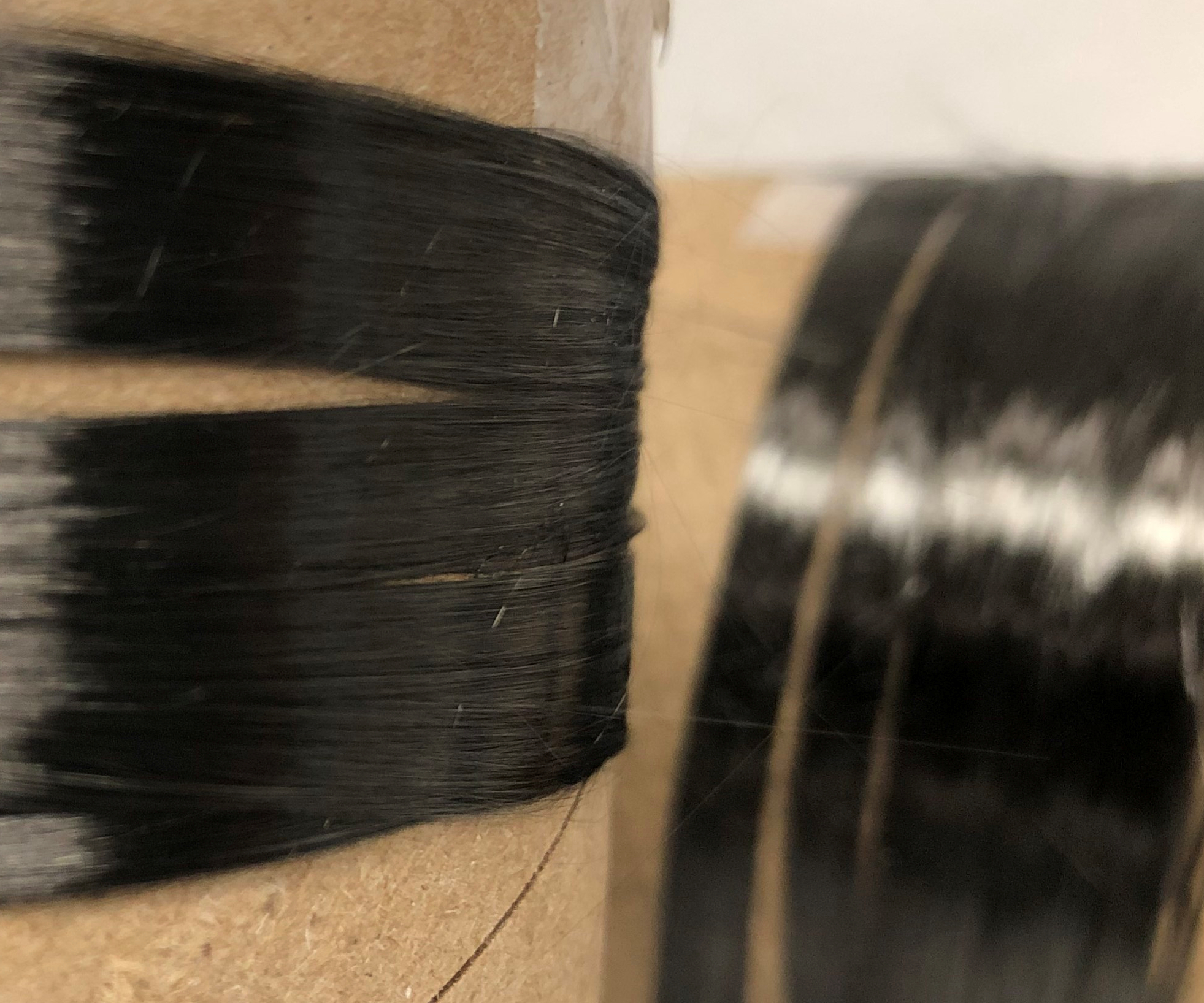
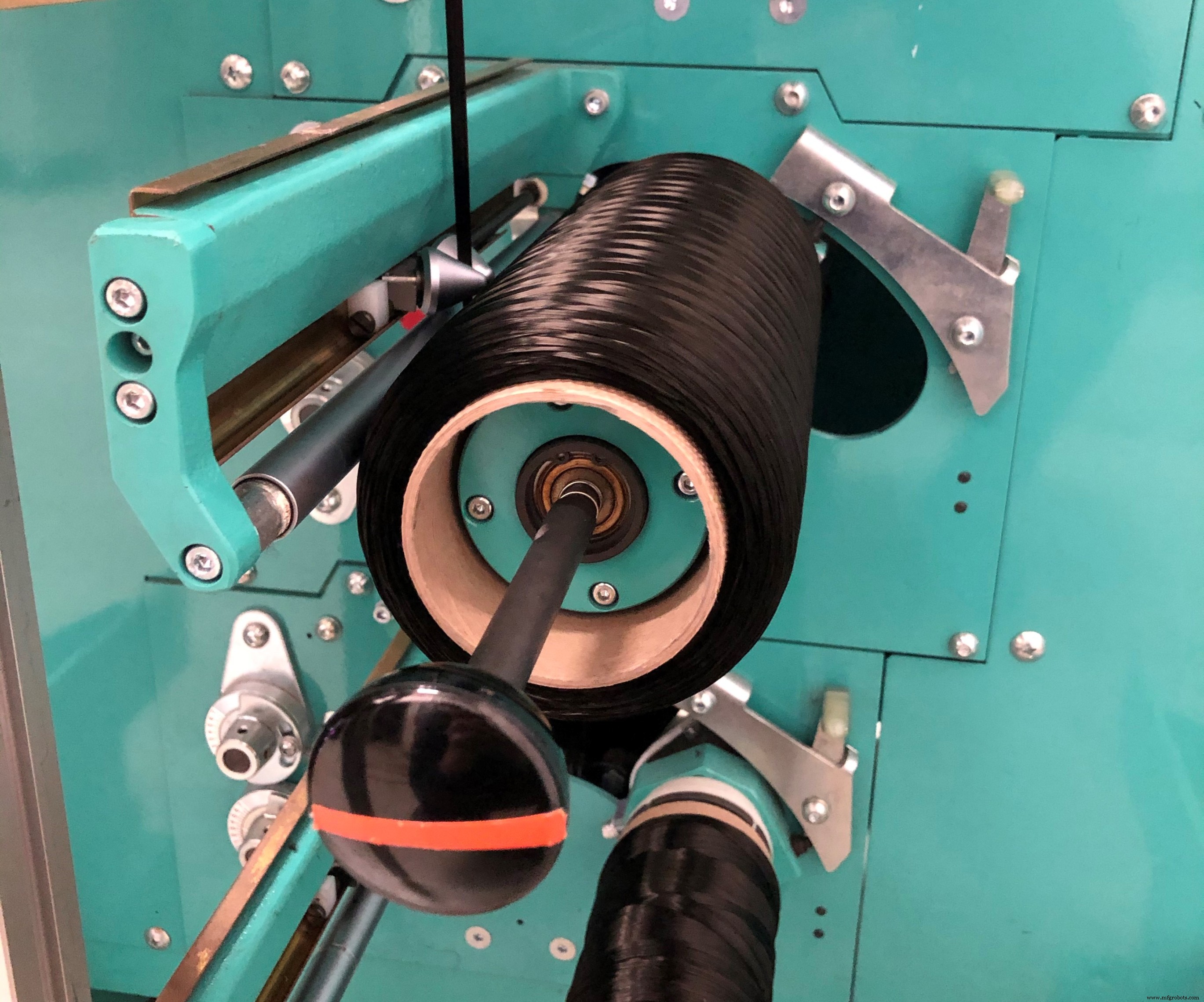
4M Carbon Fiber Corp. (Knoxville, Tenn., U.S.) announced on April 23 that it has produced a carbon fiber of filaments with relatively large diameter using its patented plasma oxidation technology with a textile-grade polyacrylonitrile (PAN) precursor supplied by one of its partners, Dralon GmbH (Dormagen, Germany).
4M and Dralon co-developed the low-cost, textile-grade PAN precursor capable of producing a 10K tow carbon fiber with filaments about 9.6 µm in diameter (compared to 6-7 µm in typical fibers). In preliminary work with the precursor, 4M says it has achieved a residence time for the oxidation phase during carbon fiber manufacture of only 52 minutes. 4M says this is considerably faster than conventional oxidation of commercial (smaller diameter) PAN precursors. 4M says work is continuing with the textile-grade PAN to further improve material properties and optimize the process.
4M notes that until now, large-diameter carbon fibers have not been produced at scale, mainly due to challenges related to the oxidation stage. 4M says that using conventional oxidation technology, the larger filaments require long residence times and additional energy, which creates a carbon fiber that is not economically viable. Additionally, says 4M, large-diameter carbon fibers tend to yield subpar performance as a result of defects introduced during conventional oxidation. For these reasons, says 4M, carbon fiber manufacturers do not offer a large-diameter commercial carbon fibers.
The advantages of a large-diameter carbon fiber are lower cost and better performance, says 4M. A larger diameter filament introduces cost savings throughout the manufacturing process, from precursor production to carbon fiber conversion, most readily seen in increased mass throughput, the company asserts. Combine this savings with the low-cost precursor Dralon normally produces, and the total cost savings becomes significant.
Carbon fibers are known for their high tensile strength, but they are not particularly strong in compression, especially compared to glass fibers. However, says 4M, larger-diameter carbon fibers can have significantly higher compressive strength. Advances in this aspect could enable new applications as well as growth in existing markets, such as wind turbine blades.
fiber
- Carbon Fiber: Composition, Manufacturing, and Future Applications
- Top 3 Benefits of Carbon Fiber Watches for Luxury Timepieces
- Unidirectional Carbon Fiber: The Strength, Lightness, and Cost‑Savings Advantage for Modern Manufacturing
- Carbon Fiber: 3 Key Properties That Drive Innovation
- 5 Unexpected Carbon Fiber Innovations Reshaping Modern Life
- Carbon Fiber Explained: Strength, Production, and Industry Applications
- Is Carbon Fiber Conductive? Understanding Its Electrical and Thermal Properties
- Dymag Secures £5M Funding to Expand Carbon Fiber Wheel Production to 50,000 Units Annually
- Zoltek Pioneers Renewable-Powered Carbon Fiber Manufacturing
- Zoltek Expands Carbon Fiber Production Capacity to 13,000 Metric Tons Annually in Guadalajara