



Effman Introduces AFP-XS: First North American AFP Cell on a FANUC Robot, Empowering SMEs
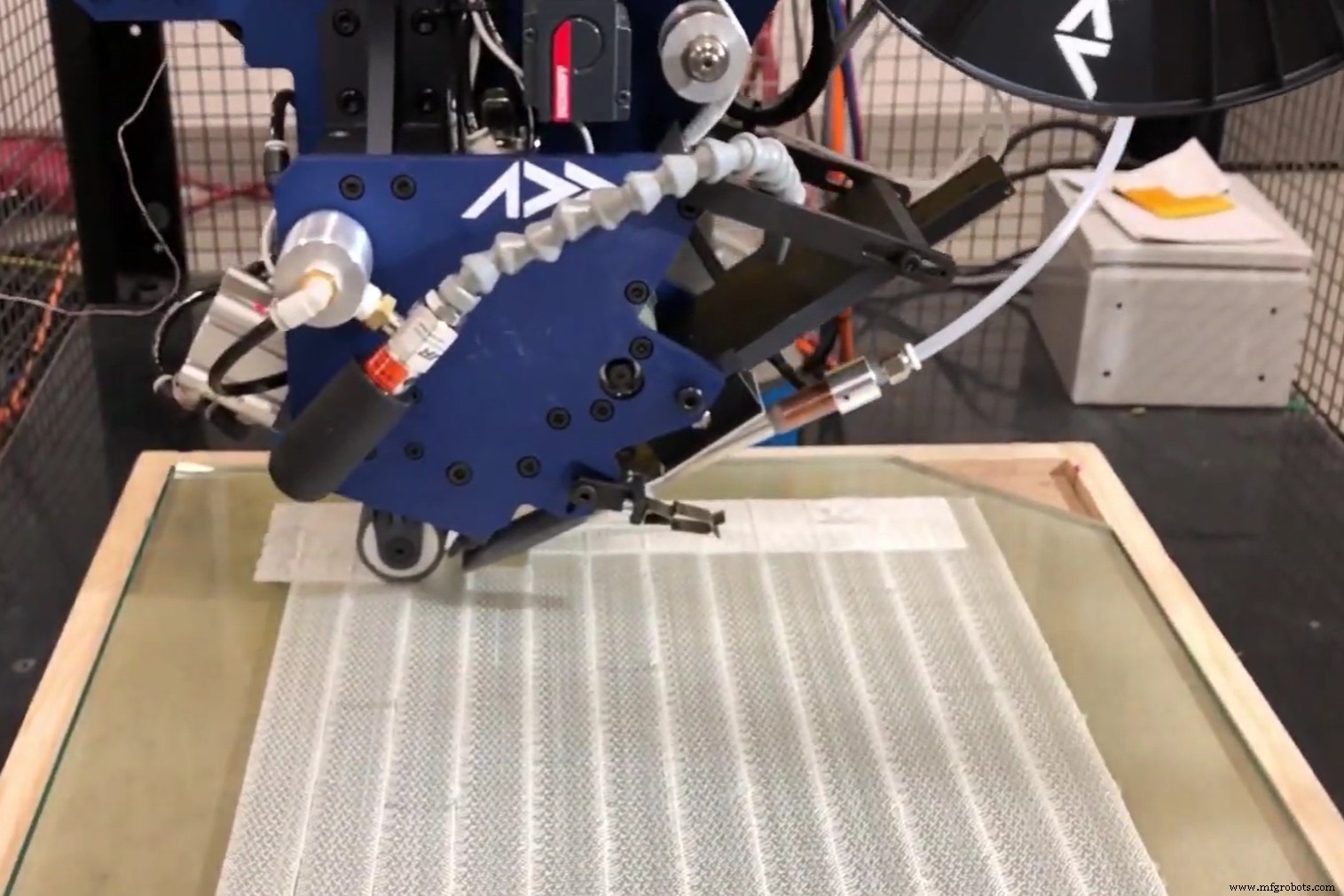
Effman (Sherbrooke, Quebec, Canada) has integrated and tested the first AFP cell in North America formed by plugging an Addcomposites (Espoo, Finland) AFP head into a FANUC robot. “Until now, AFP has been reserved for major players in the aerospace industries because of the complexity and cost of equipment,” says Yoann Bonnefon, president of Effman. Specializing in the development of automation for composites manufacturing, Effman is now collaborating with Addcomposites to make AFP robotic cells accessible to small and medium enterprises (SMEs).
“The uCOMP project started with the idea of bringing more automation to composites processes,” says Bonnefon. “We see that small companies especially are still relying on manual methods. We want to help them be prepared for the type of industrialization needed in today’s supply chains.” One goal is the ability to produce preforms for processes like vacuum infusion, resin transfer molding (RTM) and Light RTM. “We can improve the process and economics for such preforms,” says Bonnefon.
The AFP-XS provides the key for a light and compact robotic equipment solution that is affordable for small companies with limited financial resources. “This solution also needs to be simple,” adds Bonnefon, “able to be quickly installed and in operation without a lot of expense and training. The AFP-XS has met these needs, weighing less than 20 kilograms and fitting easily within a standard robotic cell. Without any experience with either the AFP-XS head or the ADD PATH software, we were able to complete the installation and, within a few weeks, complete the AFP simulation for parts using a new tape that we developed with a partner in Quebec. This woven glass fiber tape had never before been tested on an AFP-XS head, and yet we were able to use it and make preforms in less than two minutes that were easily processed using resin infusion.”
manufacturing and infusion of preforms
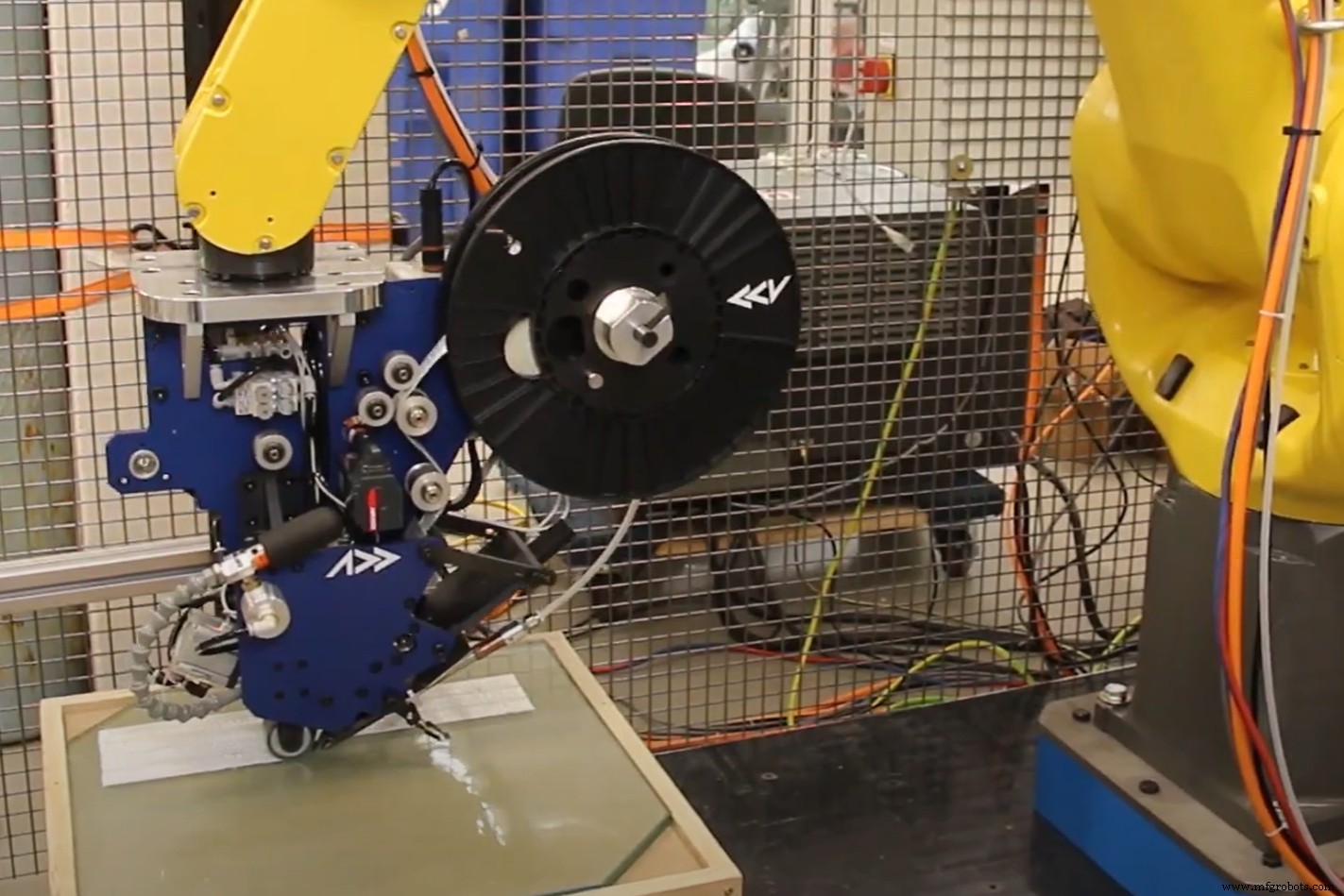
Addcomposites AFP-XS installed on FANUC robot at Effman.
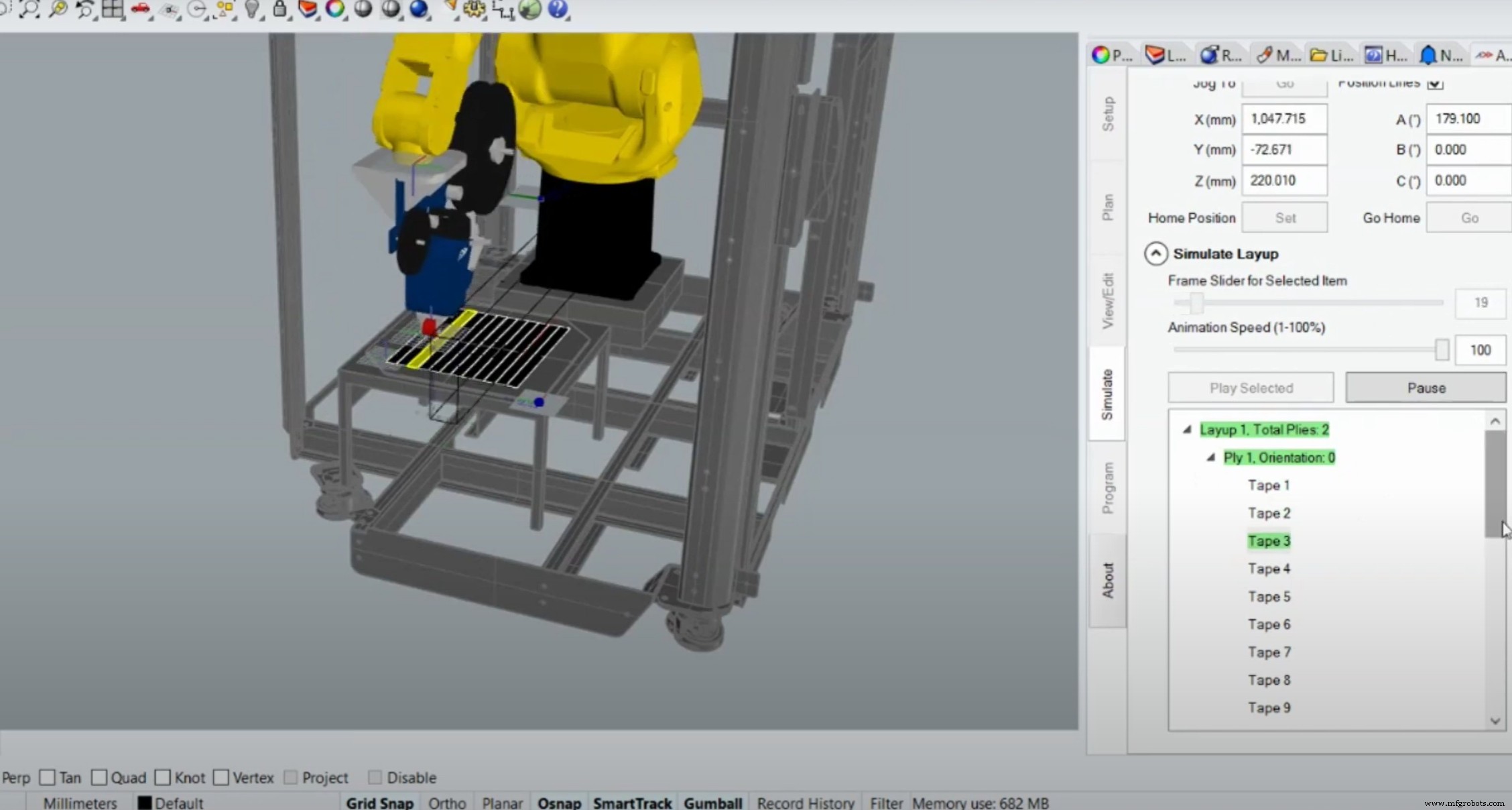
AFP simulation using ADD PATH software.
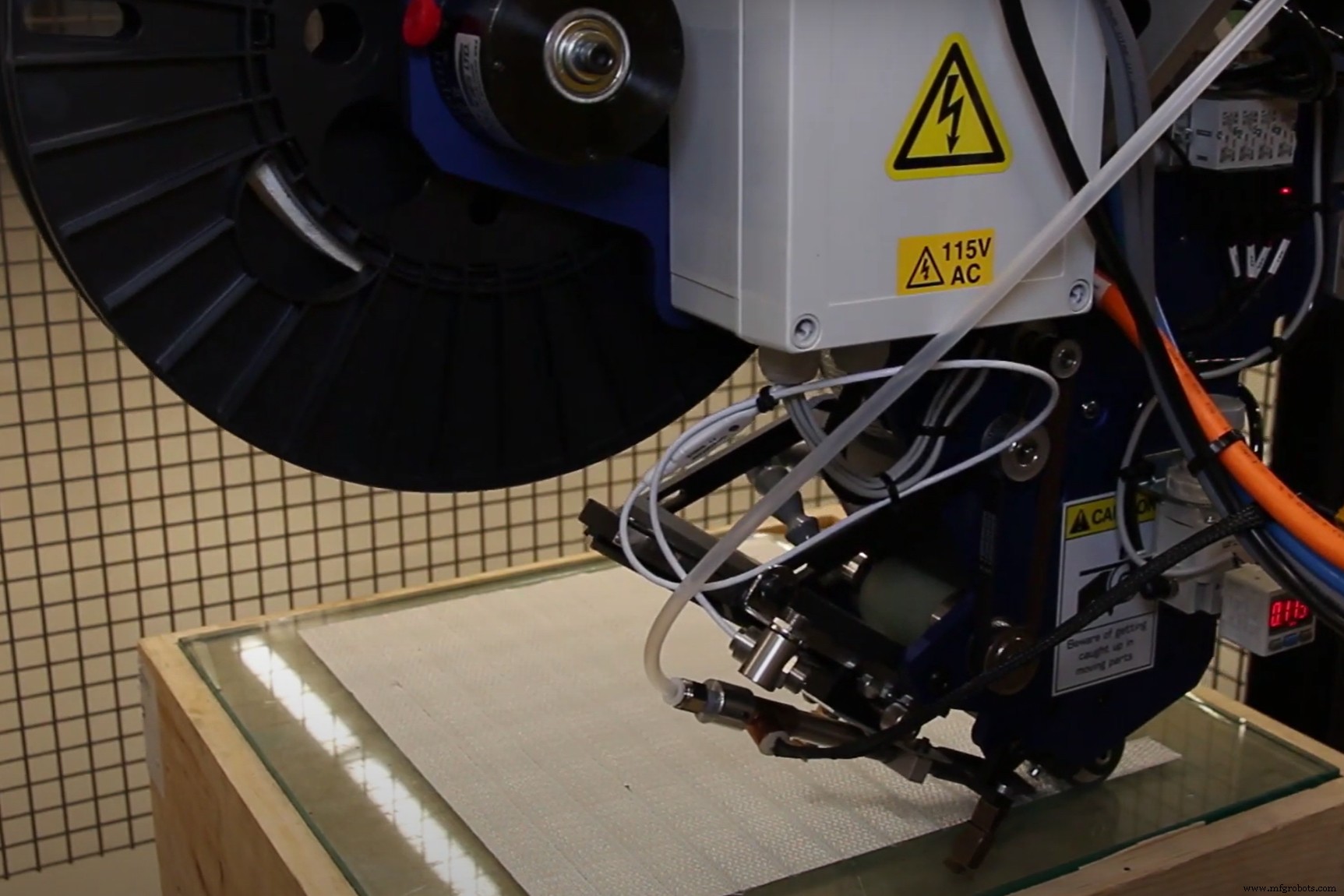
Effman using AFP-XS to make preform using its woven glass fiber tape.
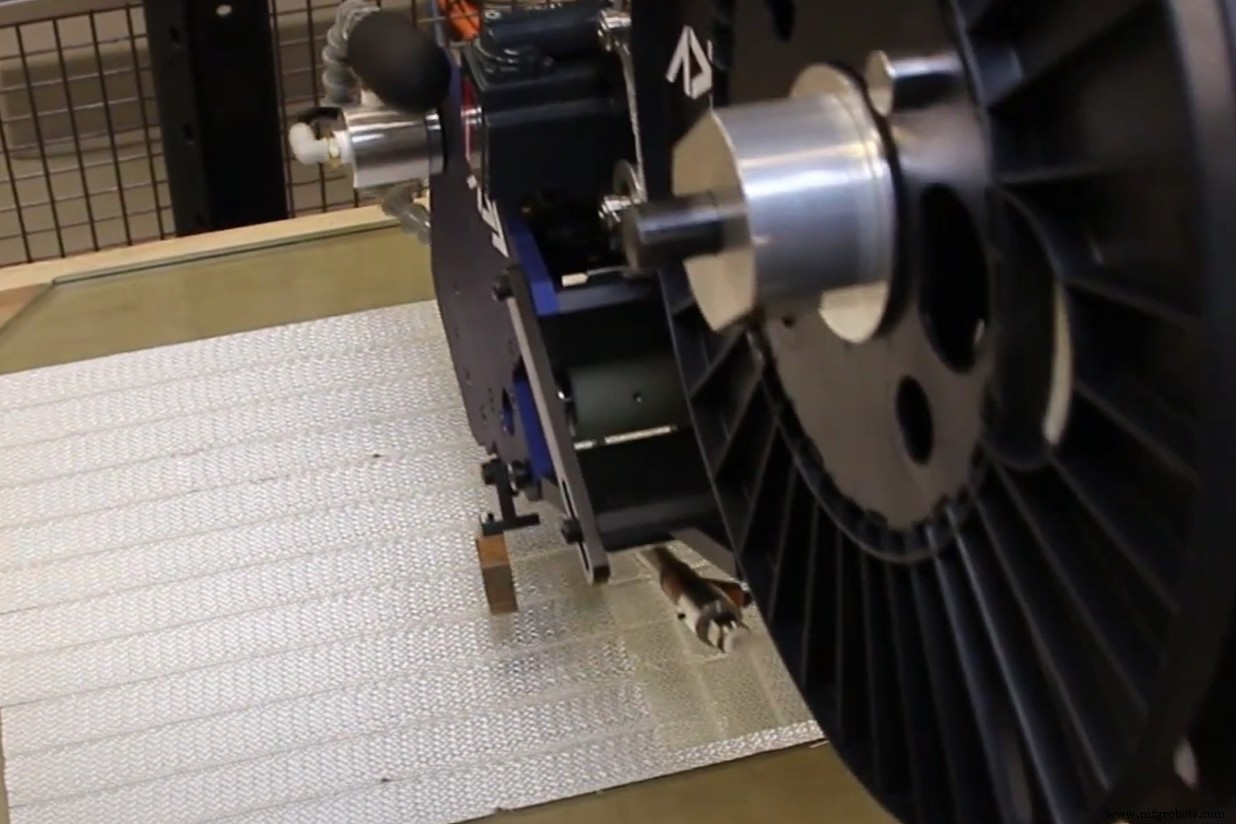
Effman’s installed AFP-XS producing preform using woven glass fiber tape.
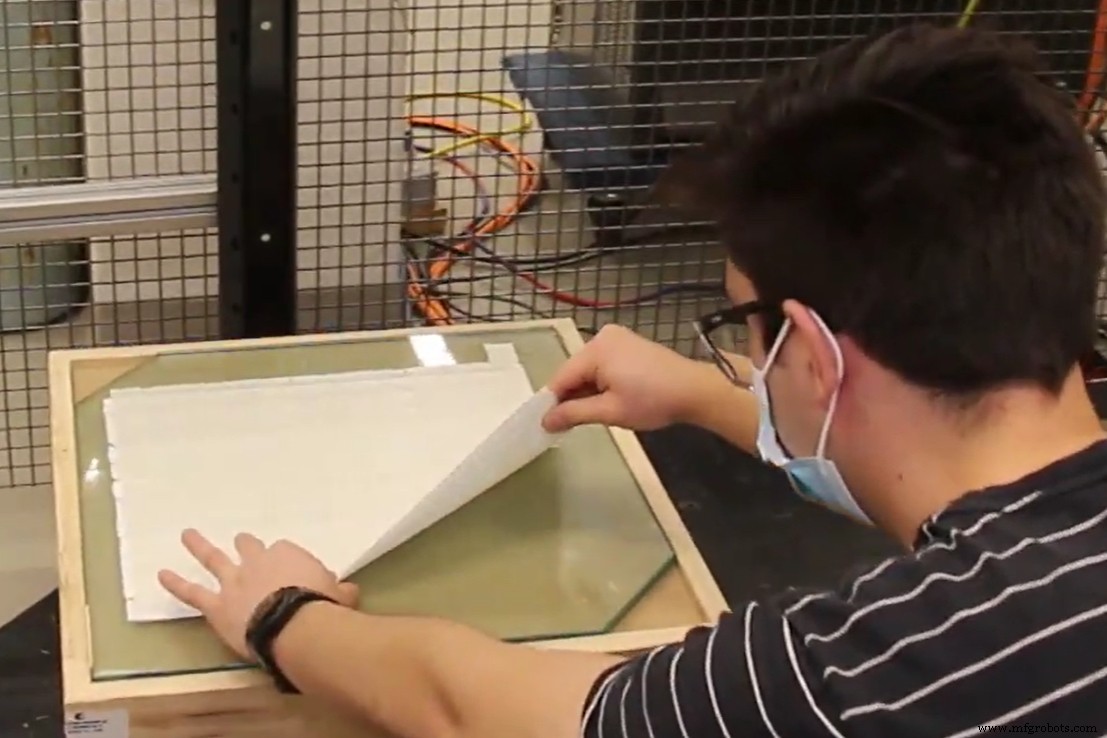
AFP glass fiber preform completed.
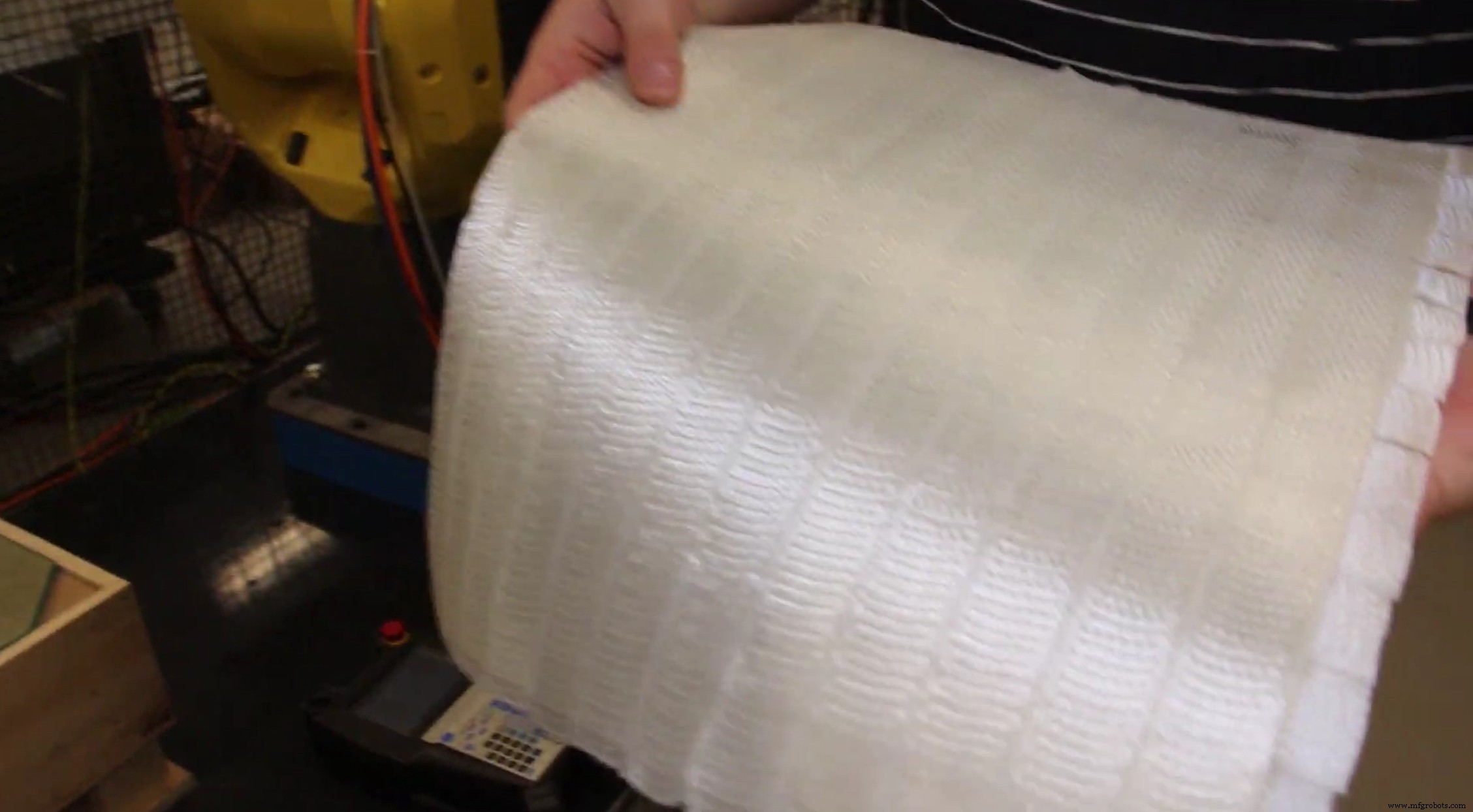
AFP glass fiber tape preform removed for resin infusion.
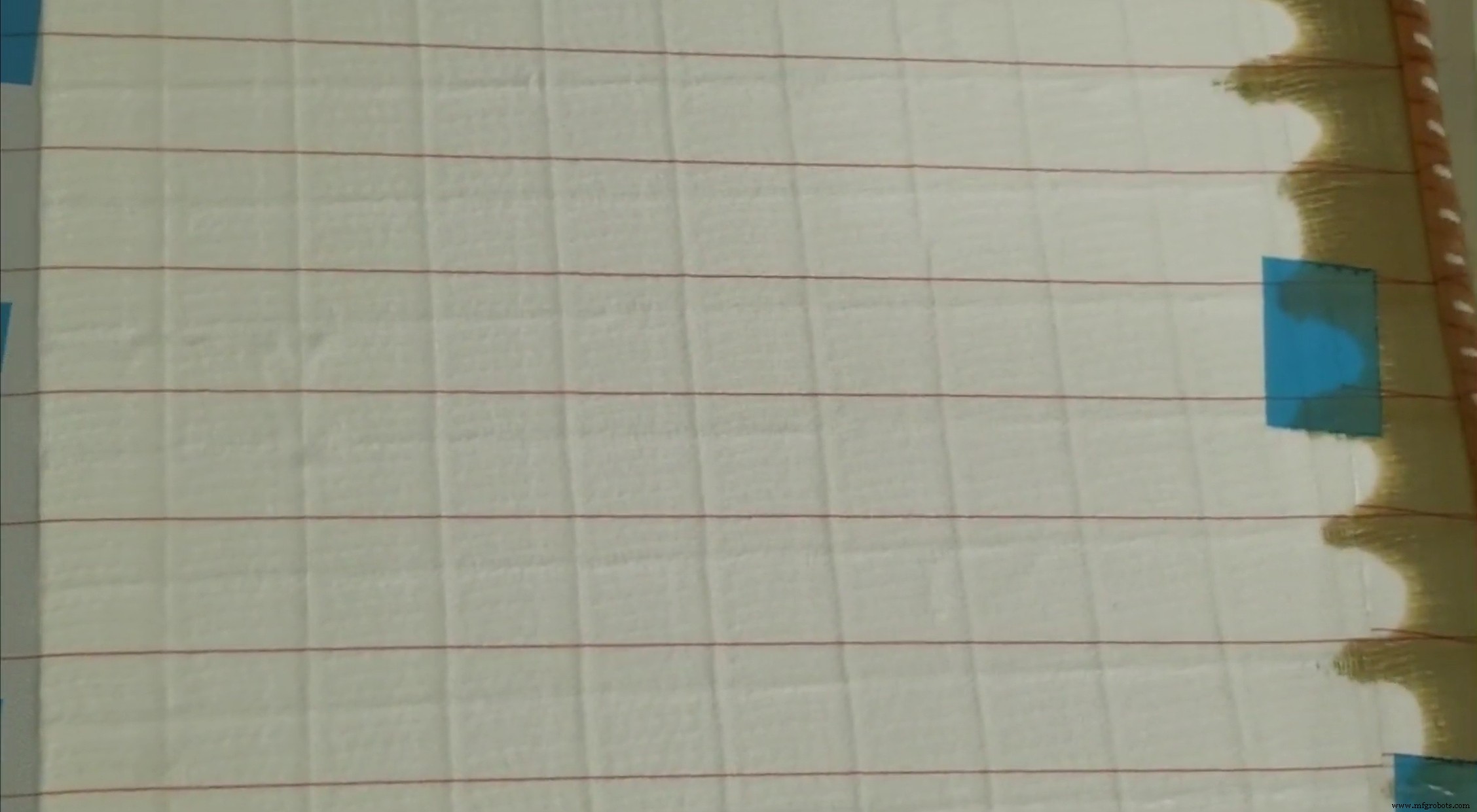
Resin infusion of AFP glass fiber preform.
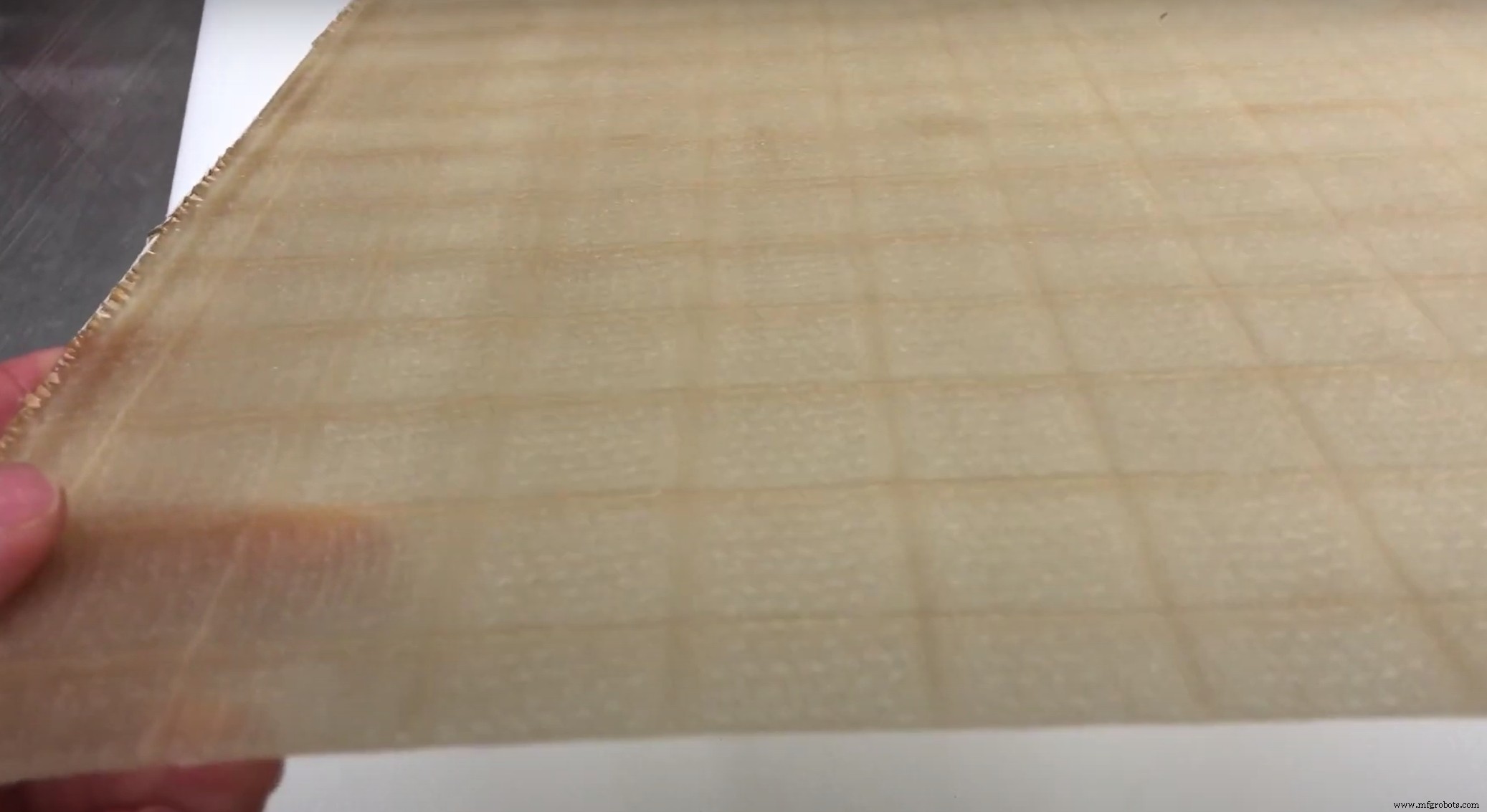
Composite panel made using AFP glass fiber tape preform and resin infusion at Effman.
Previous NextThe uCOMP project aims to help SMEs use AFP. This technological advance is being achieved with Effman’s network of Quebec-based partners: CTT Group, Centre de développement des composites du Québec (CDCQ), FANUC America Corp., Armtex Fibres Inc. and Robox. “Our aim is to democratize the use of AFP and composites to make high-performance, affordable small- and medium-size parts,” says Bonnefon.
In addition to thermoset and thermoplastic tapes already used with the AFP-XS, Effman and its partners have developed dry-weave tapes (glass or carbon fiber) allowing the realization of preforms optimized for infusion and injection processes. Effman is now exploring projects with research organizations, to create new structures and new knowledge, but also sees opportunities in the supply chains for sporting goods, as well as automotive and aerospace, as the trends in electrification and new mobility advance. “This equipment is much cheaper than what currently exists in the market, yet enables precise fiber placement to make structural parts,” says Bonnefon. “We see many applications and look forward to working with companies across North America.”
Interested companies can contact Yoann Bonnefon and James Kuligoski for more details on part and equipment trials.
fiber
- Effortless Post‑Processing for FDM 3D Prints
- 3D Printing: From Rapid Prototyping to Full‑Scale End‑Part Production
- 5 Proven Strategies for Selecting the Best Carbon‑Fiber Part Manufacturer
- UK Consortium Secures Funding for Revolutionary All-Composite Wheel for Electric Vehicles
- Addcomposites & Effman Partner to Offer Affordable AFP Cells for SMEs
- Hexcel Partners with ASCEND to Accelerate Composite Innovation
- Mastering Design for Manufacturability: Part 2 – Tolerances & Feature Optimization
- Optimizing Production: Achieve Cost Savings with Single-Setup Machining
- Nexus 550M CNC Turning Center: High‑Torque Precision for Large Parts
- Revolutionize FFF 3D Printing with Soluble Filament Supports