



Permali Launches Advanced Fire-Resistant Composite Systems for Naval Vessels
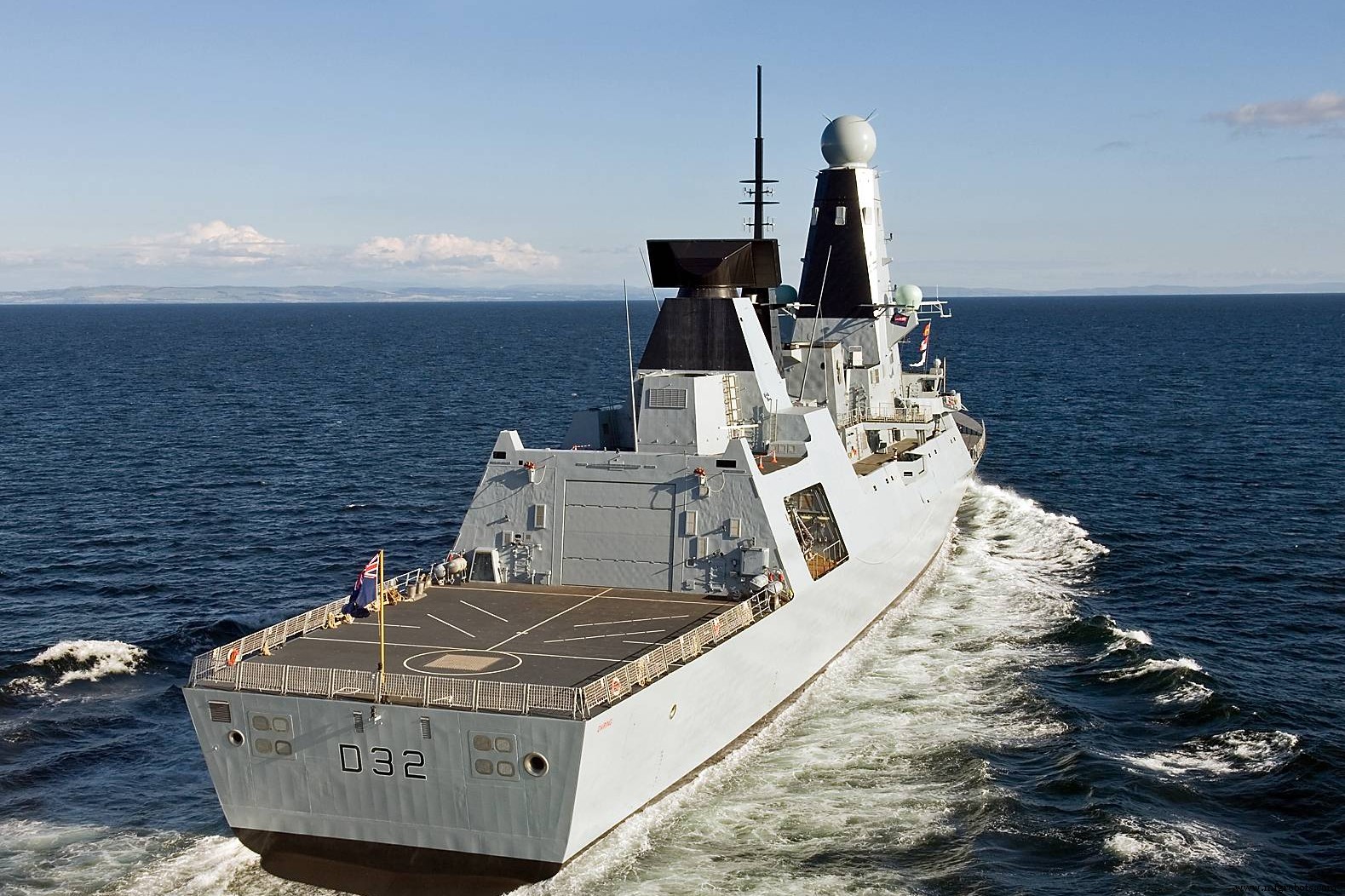 Photo Credit: Permali
Permali (Gloucester, U.K.) designs and manufactures high-strength, glass fiber-reinforced (GRP) composite stanchions, guardrails, deck safety net frames and ladder systems for naval warships and support vessels.
To meet the latest U.K. Ministry of Defence (MoD) regulations, Permali’s R&D team has developed Permaglass XGR2/4, a new specialist fire-resistant (FR) composite material grade. Defence Standard 07-247 is the latest, more stringent MoD fire, smoke and toxicity (FST) performance standard for naval vessels. Permaglass XGR2/4 achieved the highest overall Category A1 rating possible for this enhanced FST Def standard; critical XGR2/4 fire test coupons achieved Class 1 for surface spread of flames (to BS 467 Part 6) and a fire propagation index (I) of 7.8 (to BS 467 Part 7).
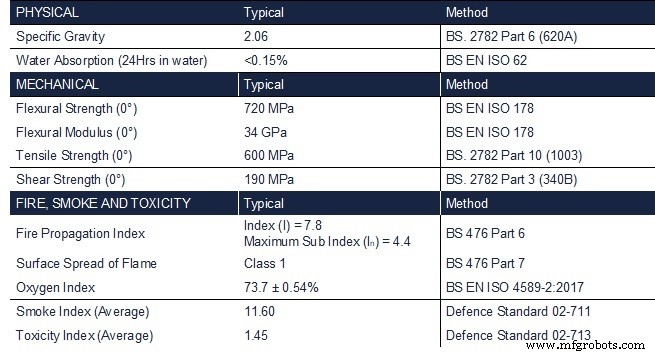 Photo Credit: Permali
Permali’s new Permaglass XGR2/4 resin grade and laminate system achieves this higher FST rating while still meeting the demanding mechanical performance requirements of the MoD standard. Permali has been able to do this by combining its proprietary high-performance, low volatile organic compound (VOC) thermoset FR resin formulation with woven glass reinforcements. Typical mechanical properties include a flexural strength of 720 MPa (to BS EN ISO178) and a tensile strength of 600 MPa (to BS 2782 Part 10:Method 1003).
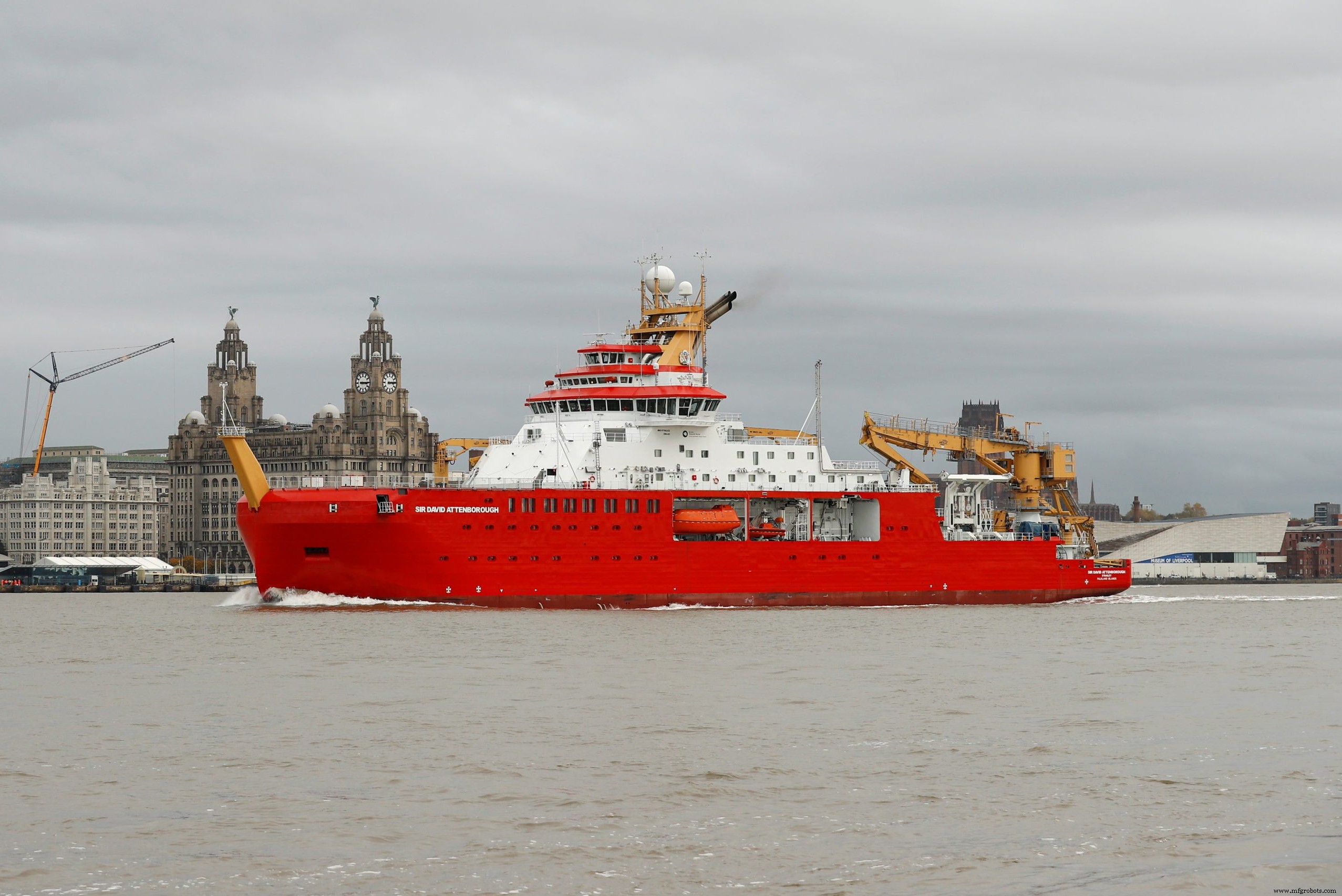
Current naval vessels in service fitted with Permali supplied deck safety systems include: Visby class corvettes; RN Type 45 destroyers and Type 23 frigates; RFA Bay class support ships; and the Queen Elizabeth-class aircraft carriers, said to be the biggest, most advanced warships built for the Royal Navy. In addition to naval ships, the specialist polar exploration vessel, the RRS Sir David Attenborough, is also fitted with Permali deck safety systems to protect personnel while on the flight deck.
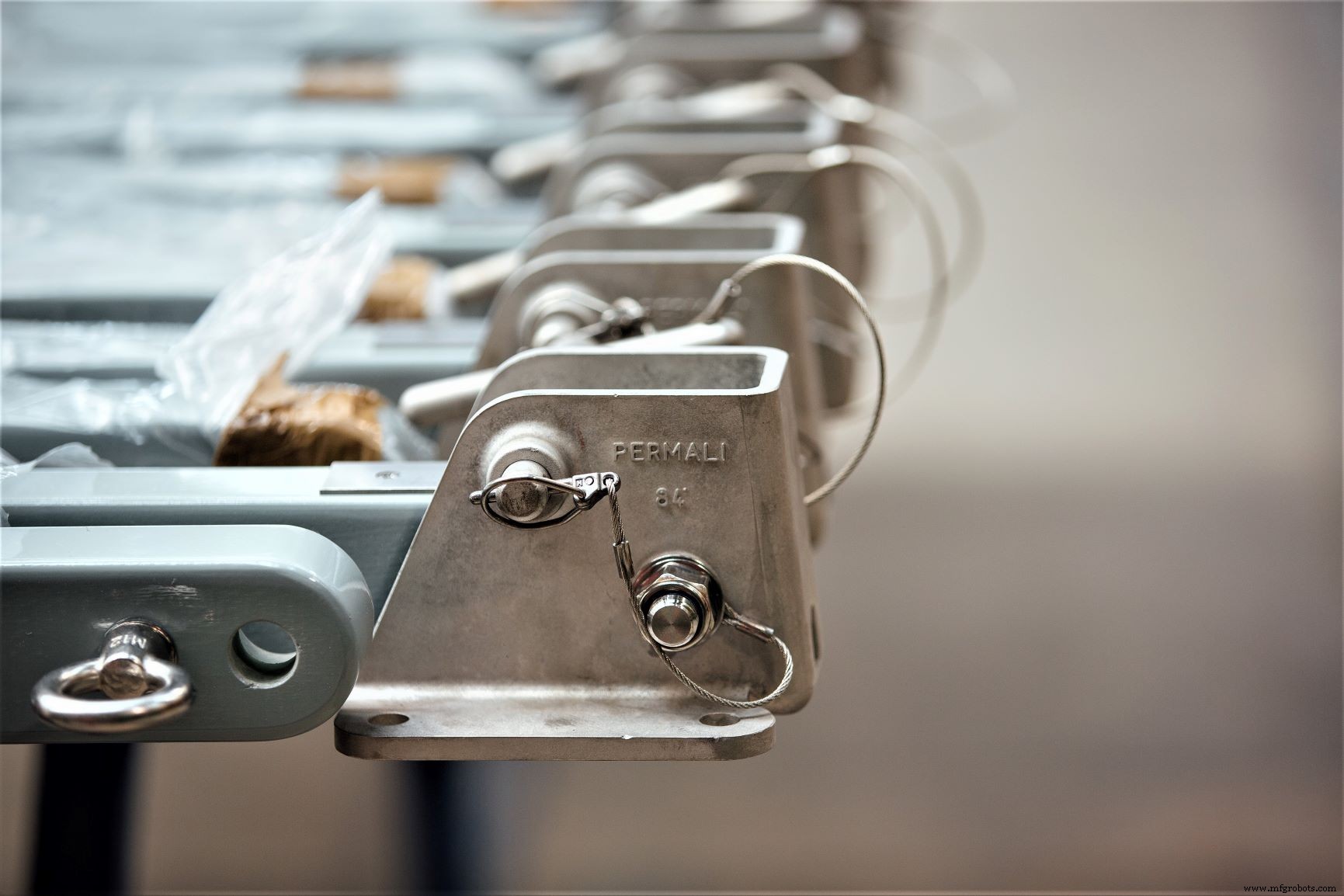 Photo Credit: Permali
The use of a GRP composite material for stanchions, guardrails and net frames reportedly provides key in-service benefits over metallic alternatives, says Permali, including being lightweight, vibration free, corrosion resistant, low maintenance and non-conductive. For warships, Permali’s composite stanchions produce a significantly reduced radar detection signature.
According to the company, Permali offers a complete range of durable deck or hull mounted modular GRP composite stanchion designs to provide rigid guardrails, Parafil synthetic rope guardrails and safety nets or removable chains. Four standard stanchion styles are manufactured to accommodate the different types of vessels and deck area safety requirements:
- Type A stanchions (for fixed position guardrails)
- Type B stanchions (can fold fore and aft of the deck)
- Type D stanchions (fold onto the deck)
- Quick Release/Removable stanchions (for access areas)
Stanchion systems are supplied by Permali complete with all the stainless steel deck base fixings, positive lock fittings and lug bolts specified for guardrail and net system designs. All fabricated composite stanchions, rigid guardrails, “quick release” lift off gates and deck safety net frames are finished in-house with a two-part paint system. Lift off gates are installed to provide easy access to specific deck areas for “over the side” replenishment at sea (RAS) and to enable unobstructed helicopter maintenance.
fiber
- A Practical Taxonomy for Industrial Internet of Things (IIoT) Systems
- Designing Adaptive Manufacturing Systems for Industry 4.0: Leveraging IIoT and RTI Connext
- Sino Polymer Introduces Advanced Halogen‑Free Epoxy Prepreg for Rail & Aerospace
- Smarter Building Systems Introduces Non-Toxic, Self-Extinguishing Fire-Resistant Epoxy
- Potez Aéronautique Delivers Advanced Carbon Fiber Doors for Eviation's Alice Electric Aircraft
- BMW i Launches First Electrified Wingsuit for Human Flight
- Henkel Launches REACH‑Compliant Two‑Part Epoxy for Aircraft Interior Applications
- NCC Unveils Low‑Cost Composite Structure for Hydrogen Fuel Cell Retrofits on Commercial Buses
- 10 Essential Automation Workflows for Manufacturers
- Motor vs. Actuator: How to Pick the Best for Industrial Systems