



Key Fiberglass Properties for Composite Manufacturing Success
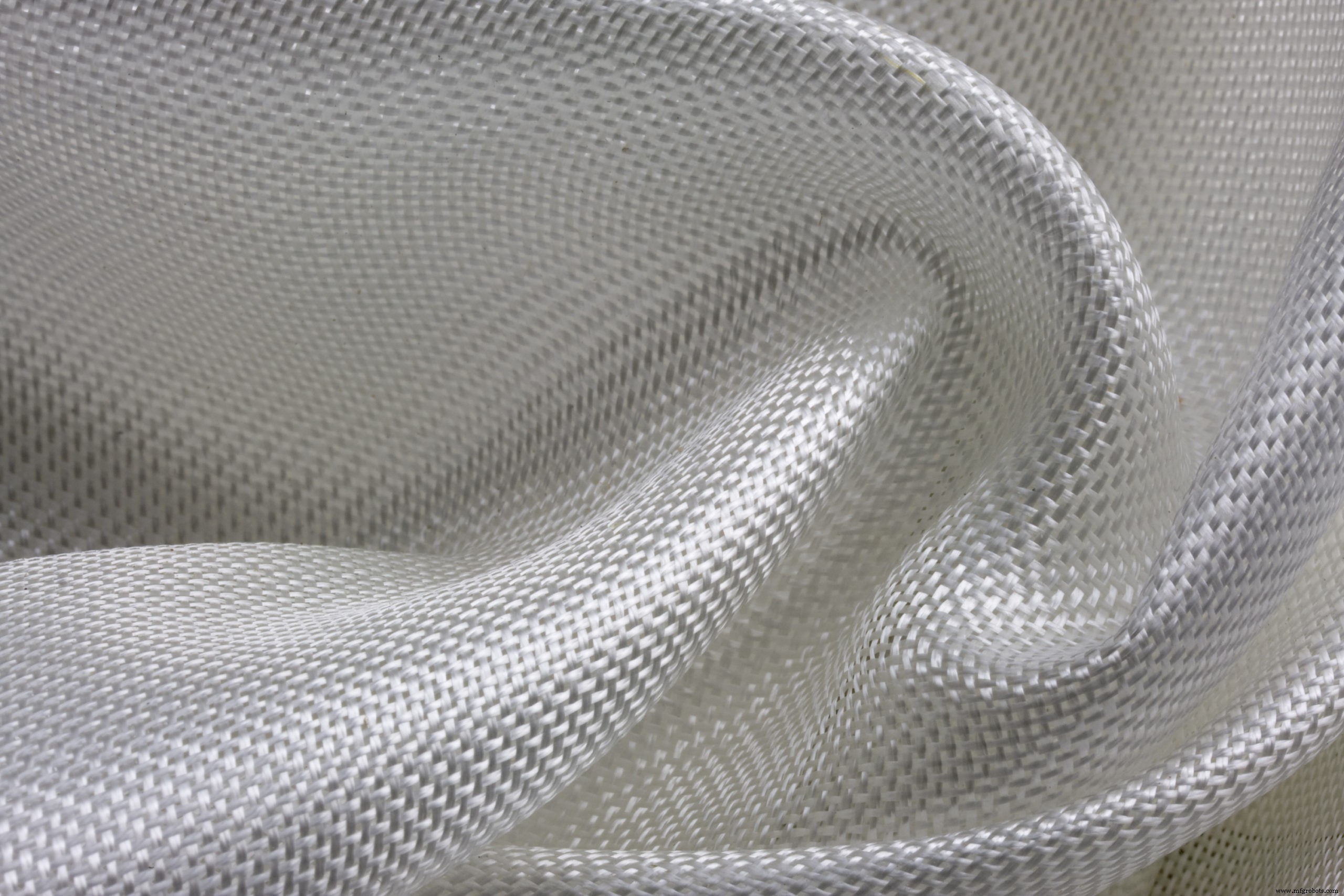
Although the fiberglass sector remains lean in workforce, its demand continues to soar. Engineers across maritime, automotive, aerospace, and many other industries rely on fiberglass for its unmatched performance.
When evaluating a new project, understanding fiberglass’s intrinsic properties is critical. These attributes determine whether the material will meet your mechanical, thermal, and electrical requirements.
Explore the essential characteristics below to gauge how well fiberglass aligns with your application.
What Is Fiberglass?
Fiberglass originates from molten glass that is extruded through micron‑sized nozzles, producing continuous strands. These strands can be woven into sheets or left in their fibrous form for insulation purposes.
In practice, glass fibers are blended with resins or other matrices to create composite systems, allowing designers to tailor stiffness, strength, and other properties to specific needs.
Core Fiberglass Properties
Below are the key attributes that make fiberglass a go‑to choice for high‑performance composites.
Exceptional Strength & Light‑Weight
Fiberglass boasts a specific strength that can exceed that of steel while remaining far lighter. This high strength‑to‑weight ratio is why it dominates aerospace, marine, and automotive applications.
Electrical Insulation
Glass is an excellent dielectric, providing reliable insulation against electrical currents. This makes fiberglass ideal for components that must isolate conductive elements.
Thermal Stability
Fiberglass resists heat and exhibits minimal thermal expansion, preserving dimensional integrity across temperature swings. Its low thermal conductivity also makes it suitable for insulation housings.
Fire Resistance
As a non‑combustible material, fiberglass does not produce smoke or toxic fumes when exposed to fire, enhancing safety in high‑temperature environments.
Versatile Compatibility
Fiberglass can be combined with a variety of materials to fine‑tune performance:
- Synthetic resins (epoxy, polyester, vinyl ester)
- Cementitious matrices (concrete, masonry)
- Plaster and gypsum composites
These combinations enable designers to create customized solutions that meet stringent mechanical, chemical, and environmental standards.
Need Fiberglass Components?
Understanding fiberglass’s strengths equips you to decide if it’s the right fit for your project. Should you require high‑quality fiberglass parts or custom composites, we’re ready to help you bring your vision to life.
fiber
- How Short‑Run Manufacturing Drives Innovation and Efficiency
- Silver’s Antimicrobial Power: How the Metal Fights Bacteria, Fungi, and Viruses
- Choosing the Right Composite Manufacturing Partner: A Proven Guide
- Composite Manufacturing: Advancing Materials for Aerospace, Energy, and Healthcare
- Nine Key Properties of Fiberglass Cloths – Why They’re Essential for Industrial Applications
- Women Shaping U.S. Manufacturing: Driving Innovation & Equality
- Future Outlook: Advancing Machining Industry Trends
- Top Reasons to Pursue a Career in Composite Manufacturing Engineering
- Reshoring Manufacturing in the UK: Strengthening Local Production
- Discover Agile Manufacturing & Leading Software Solutions for Production Excellence