



Optimizing Autoclave Manufacturing for Superior Performance and Safety
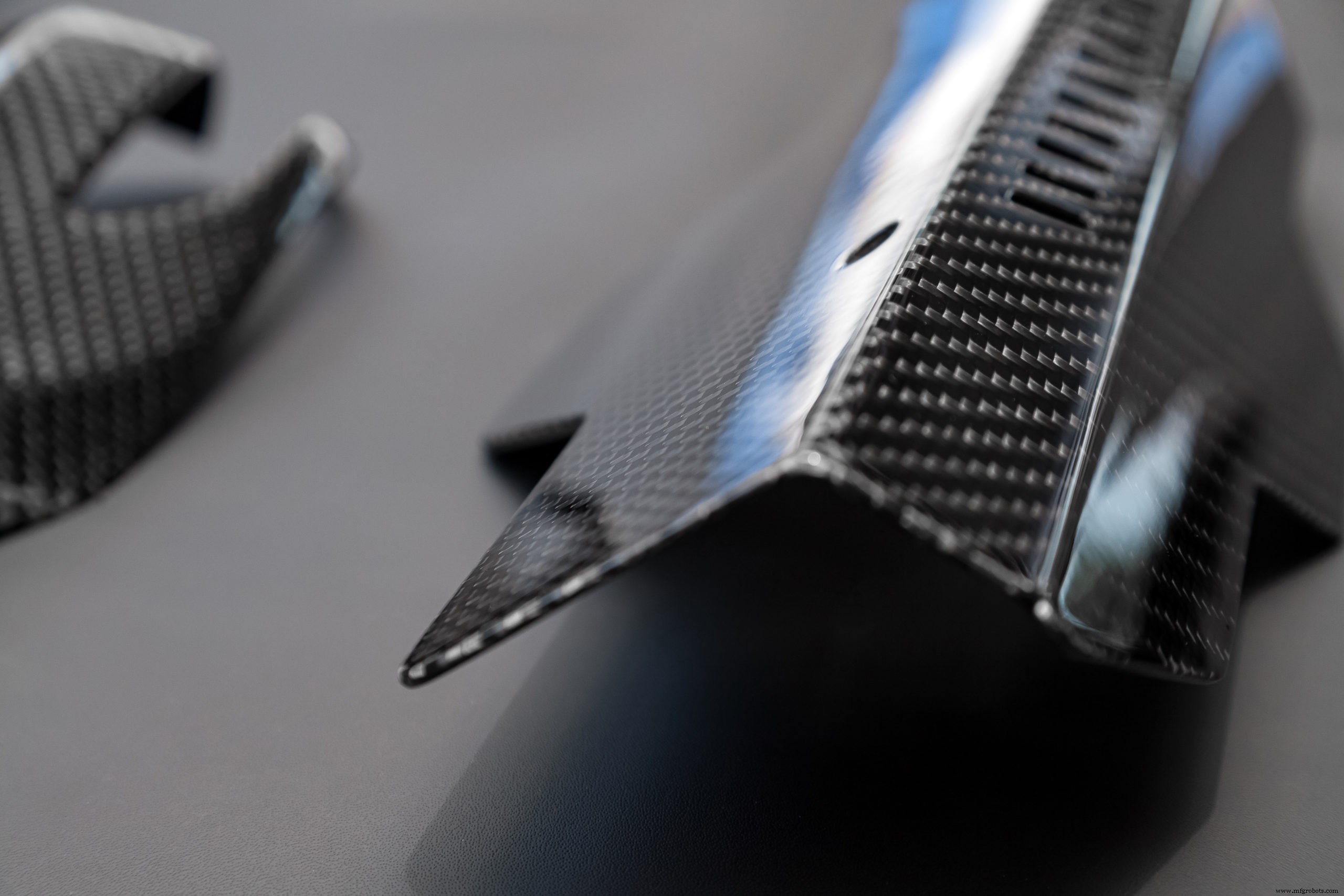
For decades, autoclave systems have powered critical processes across textile, timber, food, and medical sterilization. Today, their role has expanded into advanced composites and investment casting, demanding higher precision and reliability. Below are proven strategies to elevate both the manufacturing quality and operational performance of your autoclave line.
Let’s dive into the essentials.
Temperature Control
In resin‑based applications, achieving a uniform temperature profile is paramount. Modern autoclave designs now use a blend of direct and indirect heating—powered by electricity or gas—to meet stringent process requirements. Key actions:
- Implement integrated thermal control systems that monitor temperature, pressure, vacuum, and other critical parameters in real time.
- Adopt vertical airflow, which naturally promotes a more even temperature distribution compared to horizontal flow.
- Leverage zone‑segmented heating, as pioneered by companies like Areoform Ltd., to program precise temperature curves for each cavity.
These measures reduce cure variability, enhance part quality, and cut energy consumption.
Monitor the Curing Cycle
The cure schedule directly influences composite strength and durability. Even minor deviations can compromise laminate properties. Modern control systems now offer:
- Real‑time resin property monitoring to close the control loop.
- Adaptive heating and airflow configurations that adjust to changing cure conditions.
- Data‑driven feedback for continuous process optimization.
By integrating these capabilities, manufacturers can ensure consistent, high‑performance outputs.
Maintain Uniform Pressure Distribution
Uniform pressure is as critical as temperature, especially in medical sterilization and complex composite molds. To guarantee even pressure:
- Design pressure‑manifold systems that account for part geometry, material, and size.
- Use pressure‑sensing arrays to detect and correct local deviations.
- Develop specific part‑batch recipes that pair the correct autoclave configuration with each component.
Adaptive control platforms reduce trial‑and‑error, speeding up process validation and enhancing repeatability.
The Future of Autoclave Manufacturing
Innovation continues to push the boundaries of what autoclaves can achieve. Current research focuses on:
- Advanced thermal and pressure uniformity through zone‑controlled designs.
- Integrated sensors that monitor curing chemistry in real time.
- Smart algorithms that predict and adjust process parameters on the fly.
These technologies promise to deliver safer, more efficient, and higher‑quality products across all sectors.
Have questions or need assistance? Contact us today and let our expertise guide your next project.
fiber
- Augmented Reality: Transforming Manufacturing with Real‑Time Insights and Remote Expertise
- Benchmarking for Reliability & Performance Enhancement
- Enhance Food Production: Proven Strategies for Superior Quality & Consistency
- Enhancing Health & Safety in Manufacturing: Proven Strategies for a Secure Workforce
- Boost Manufacturing Efficiency: Proven Strategies for Peak Performance
- Accelerate Profits by Optimizing Manufacturing Operations
- Boost Your Manufacturing Efficiency: Proven Strategies to Maximize Productivity
- Synergizing Additive and Subtractive Manufacturing to Elevate Product Quality
- Maximize Efficiency: Proven Strategies to Boost Fluid System Performance
- Boost Industrial Productivity & Quality: Proven Strategies for Manufacturing Success