



The Casting Process: From Ancient Origins to Modern Manufacturing
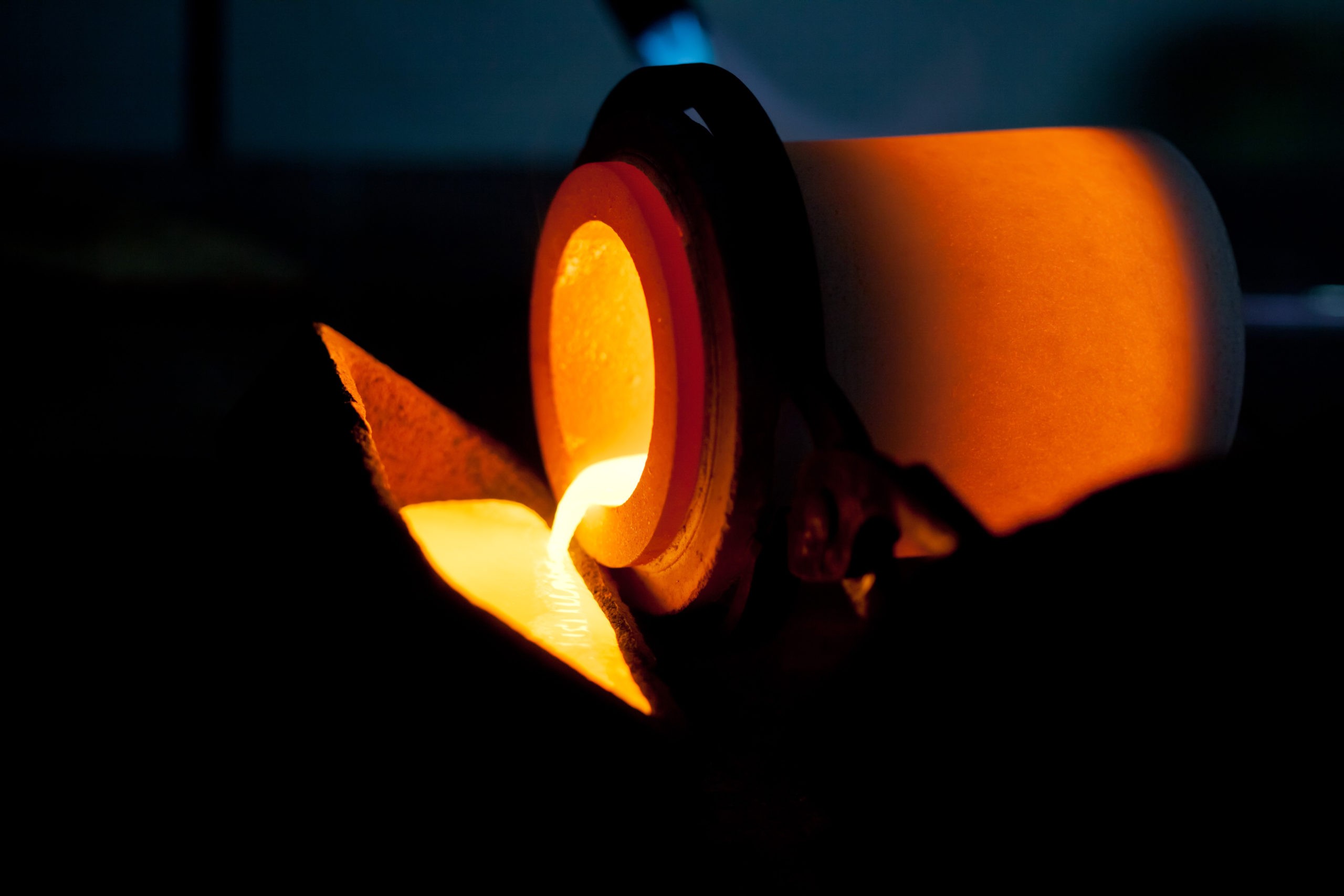
Today’s manufacturing landscape relies heavily on casting, whether creating intricate sculptures, precision equipment, or advanced composite materials like carbon fiber. Understanding the fundamentals of this time‑tested process is essential for engineers, designers, and artisans alike.
Casting Process History and Development
The earliest evidence of casting dates back to 3200 B.C. in Mesopotamia, where a copper frog—now housed in the British Museum—illustrates the technique’s ancient roots. Fast‑forward to 1837, the S. Jarvis Adams Company introduced the first dependable molding machine in Pittsburgh, marking a pivotal moment in industrial production.
Since then, casting has evolved dramatically, driven by innovations in materials science and automation. Modern methods now accommodate metals, polymers, and composites, each demanding specialized tooling and process controls.
How Molding and Casting Works
The choice of mold and feedstock varies by application. Sculptural works often use plaster or rubber molds filled with bronze, resin, or cement, whereas metal parts require robust molds that can withstand high temperatures and pressures.
During production, a skilled operator or automated system forces molten material into the mold cavity. Fine detail demands higher pressure to ensure complete fill and eliminate voids.
When pre‑formed patterns are employed—typically fabricated from iron or steel—they provide superior dimensional accuracy and repeatability.
Compression Molding
Compression molding remains a staple for producing high‑volume, high‑quality parts, especially in the plastics sector. Pre‑heated polymer material is placed into a heated cavity, then compressed with a hydraulic press to eliminate air pockets and achieve uniform density.
This method balances cost and performance: it yields corrosion‑resistant parts at scale, though cycle times can be longer compared to injection or extrusion processes.
Materials Used
Material selection aligns with the chosen casting method. In compression molding, thermosetting resins such as melamine, polyester, and phenolic composites are common. Metal casting typically utilizes gray iron, aluminum, steel, zinc, copper, and ductile iron.
Gray iron, prized for its strength, machinability, and cost‑effectiveness, remains the workhorse of industrial manufacturing.
Molding a Better Future
From fine jewelry to high‑performance carbon‑fiber components, casting underpins countless industries worldwide. If you’re planning a project that requires precision composite parts or advanced metal casting, contact our team in Georgia for a tailored quote and expert guidance.
fiber
- Shell Mold Casting Demystified: A 6-Step Process for Precision Casting
- Understanding Composite Manufacturing: Processes, Technologies, and Economic Impact
- The Complete Guide to Continuous Casting of Steel: Process, Equipment, and Key Considerations
- Inside Metal Casting: A Complete Foundry Tour from Pattern to Product
- Ultimate Guide to Casting Processes: Techniques & Applications
- Metallization Explained: Benefits, Process, and Applications
- Understanding Sand Casting: The Step‑by‑Step Process Explained
- Vacuum Investment Casting: Precision, Quality, and Reliability for High-Integrity Metal Parts
- Choosing the Right Sand: Key Types for Superior Sand Casting
- Expert Overview of Die Casting: Process, Materials, and Equipment