



Titanium‑Iron (TiFe) Hydrogen Storage Alloy: Properties, Applications, and Industry Outlook
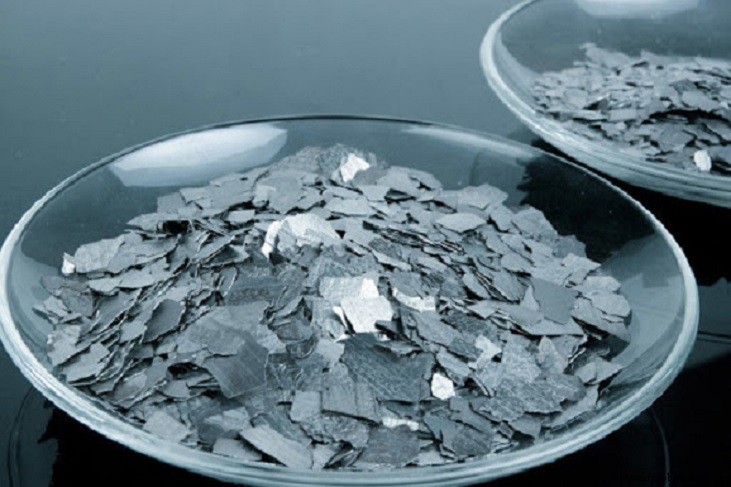
Titanium‑Iron (TiFe) Hydrogen Storage Alloy
Titanium‑iron alloys, commonly represented by TiFe, are a leading class of hydrogen‑absorbing materials that can reversibly uptake and release hydrogen under controlled temperature and pressure. Their low cost, excellent cycle stability, and moderate reaction kinetics make them attractive for a range of energy applications, from stationary storage to mobile power systems.
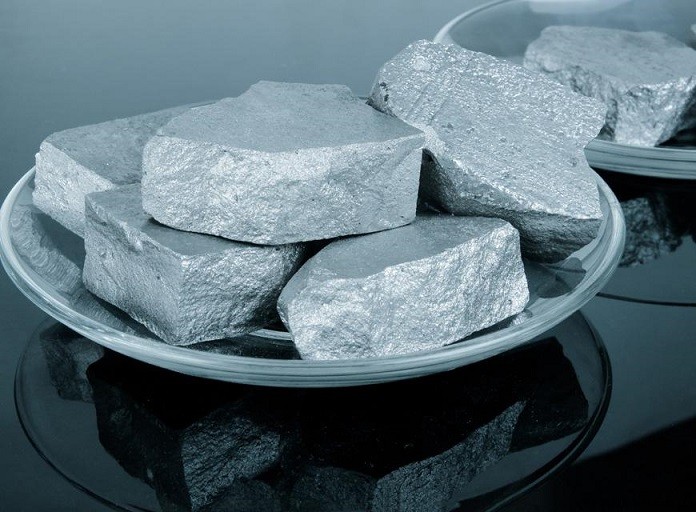
Titanium‑Iron Hydrogen Storage Alloy
Key Applications of TiFe Hydrogen Storage Alloy
1. Compact Hydrogen Storage Medium
Unlike high‑pressure tanks or cryogenic liquefaction, TiFe alloys store hydrogen at moderate pressures and temperatures, allowing for lightweight, small‑volume containers that enhance safety and reduce energy consumption in transportation and portable devices.
2. Hydrogen Recovery from Waste Streams
Industrial processes often emit hydrogen‑containing flue gases. TiFe alloys can selectively absorb hydrogen, enabling efficient capture and reuse of this valuable resource while mitigating greenhouse‑gas emissions.
3. Production of Ultra‑Pure Hydrogen
When exposed to hydrogenous streams, TiFe absorbs hydrogen while surface impurities are retained. Subsequent release of hydrogen yields high‑purity gas suitable for fuel cells and semiconductor manufacturing.
4. Hydrogen Fuel‑Cell Vehicles
Hydrogen offers higher thermal efficiency than gasoline and produces zero tail‑pipe emissions. However, the mass of conventional storage media can limit vehicle range. TiFe alloys are being explored as a lighter alternative, though challenges remain in achieving sufficient storage density and operating at ambient conditions.
Despite these advantages, TiFe alloys typically require elevated temperatures (200–300 °C) and pressures (1–3 MPa) for optimal hydrogen absorption, and their gravimetric storage capacity (~1.8 wt %) is lower than some emerging metal‑hydride systems. Continued research aims to enhance kinetics, reduce operating thresholds, and scale production for commercial viability.
Conclusion
We hope this overview has deepened your understanding of titanium‑iron hydrogen storage alloys. For further insights into titanium and related alloys, we recommend exploring resources from Advanced Refractory Metals (ARM), a global leader in high‑performance refractory metals.
Headquartered in Lake Forest, California, ARM supplies premium titanium, titanium alloys, tungsten, molybdenum, tantalum, rhenium, and zirconium at competitive prices.
Metal
- Corrosion‑Resistant Zirconium Alloys: Key Properties & Applications
- Titanium‑Iron (TiFe) Hydrogen Storage Alloy: Properties, Applications, and Industry Outlook
- STELIA Aerospace Composites Innovates Hydrogen Storage
- Advancing Green Hydrogen Production and Storage: Everfuel's Innovative Solutions
- Alloy 31 Stainless Steel Plate – Superior Strength & Ductility for Extreme Environments
- Alloy 718 – High‑Performance Nickel‑Chromium Steel
- AA 2219 T3 Aluminum Alloy – Superior Strength & Heat Resistance
- AA 2219 T8 Aluminum Alloy – High Strength, Heat‑Resistant, Ideal for Advanced Metalworking
- Alloy 52 Plate – High-Performance Nickel-Iron Composite for Industrial Applications
- Alloy 52 Bar: High-Performance Nickel-Iron Steel with Superior Strength