



Composite Panels Streamline Prefabricated Additions to Historic Apartment Buildings
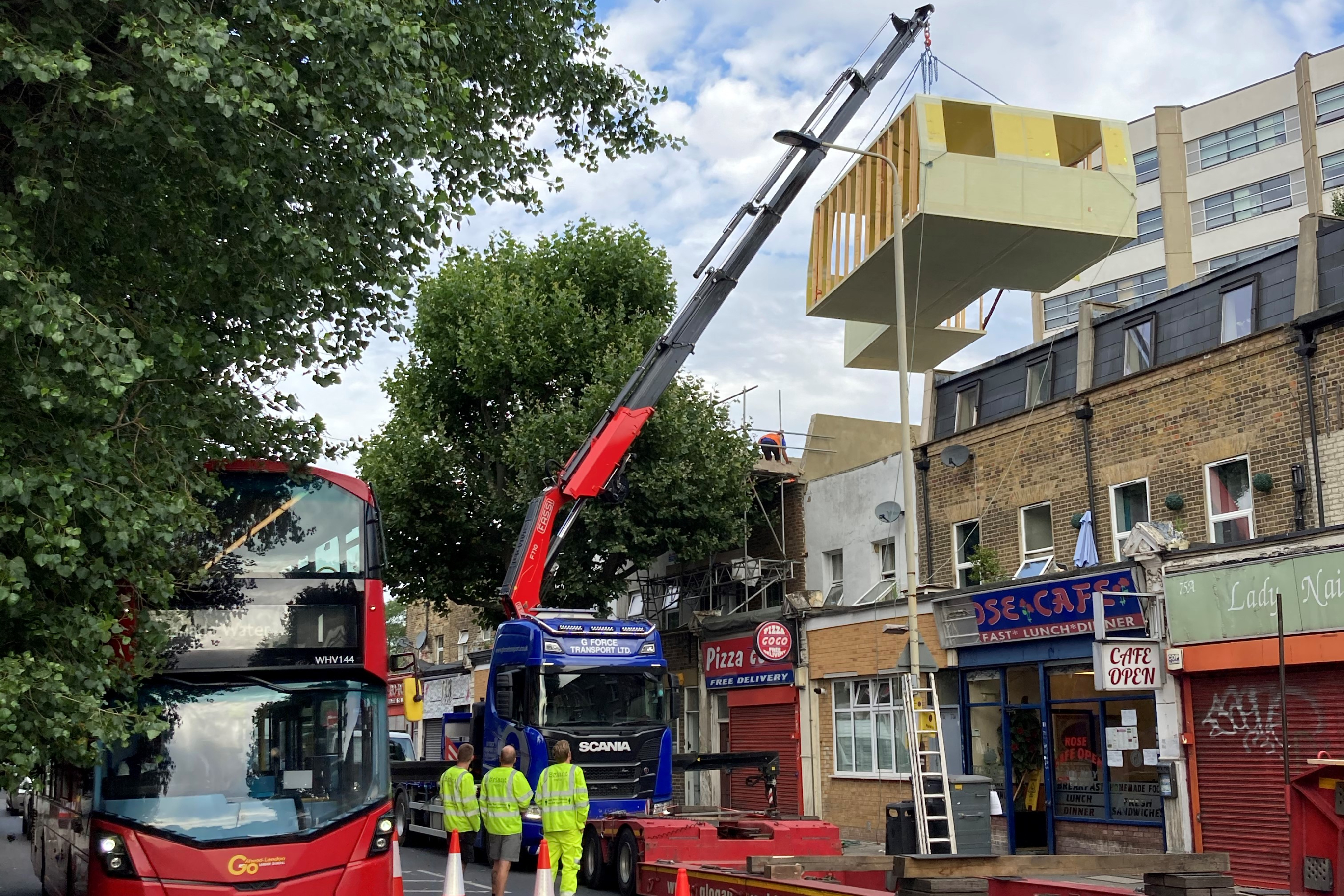 Photo Credit: Matthew Anderson, Steinlia AS
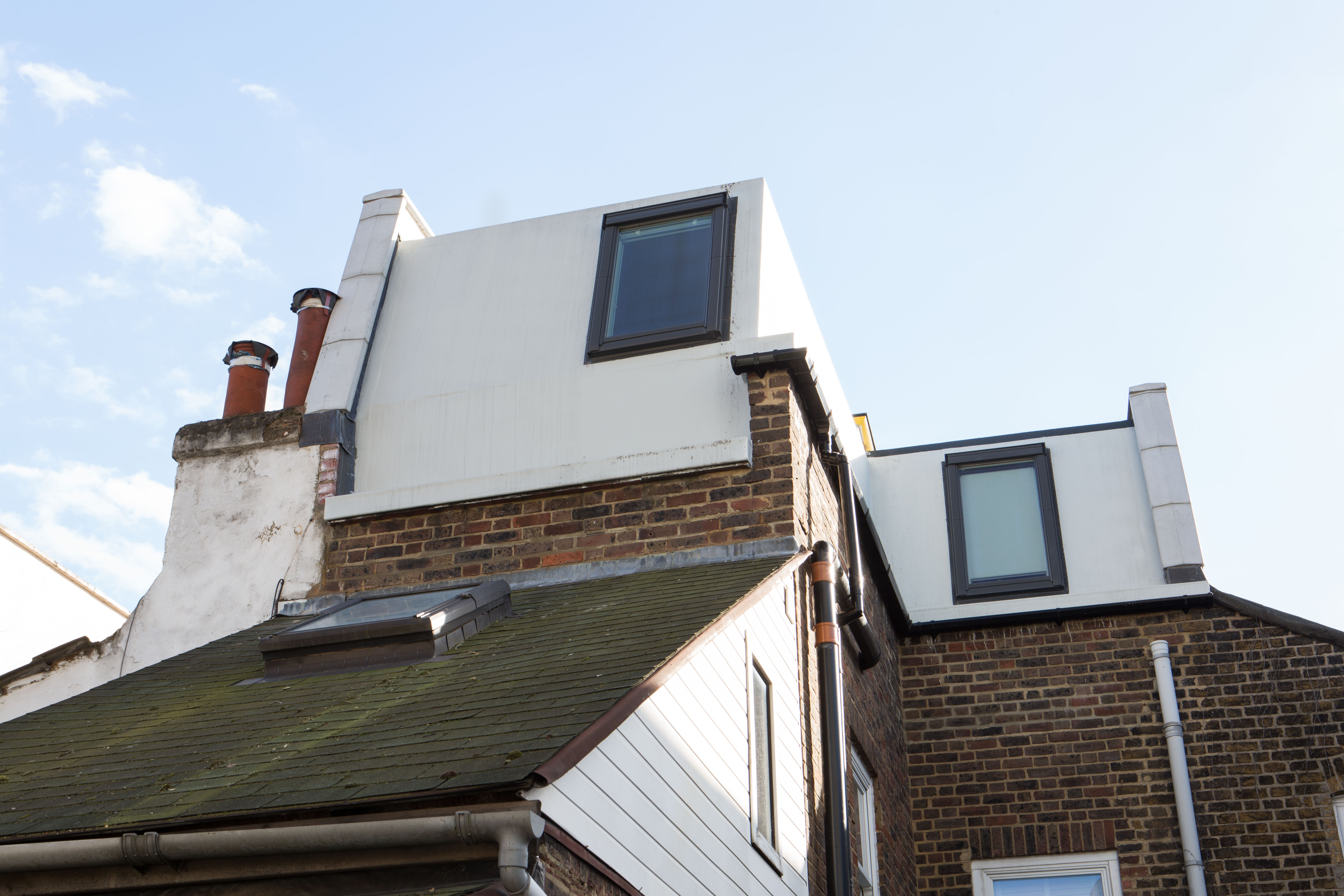
When architecture firm Steinlia AS (Oslo, Norway) was commissioned to design a second-floor addition to an existing apartment complex in a historic district in London, U.K., architect Matthew Anderson explains that there were a number of challenges involved. The structure not only needed to meet building codes and structural requirements, he says, but also needed to be lightweight to meet weight requirements for crane installation, constructed and installed quickly at a site with restricted access and match the complex geometry of the existing house.
To meet these requirements, Anderson designed a prefabricated, two-pod concept largely comprising lightweight composite sandwich panels engineered by vdL Composites (Wesel, Germany), a joint venture formed in 2012 by ATL Composites (Molendinar, Australia) and MuH von der Linden (Wesel, Germany) to produce DuFLEX composite panels for the European market.
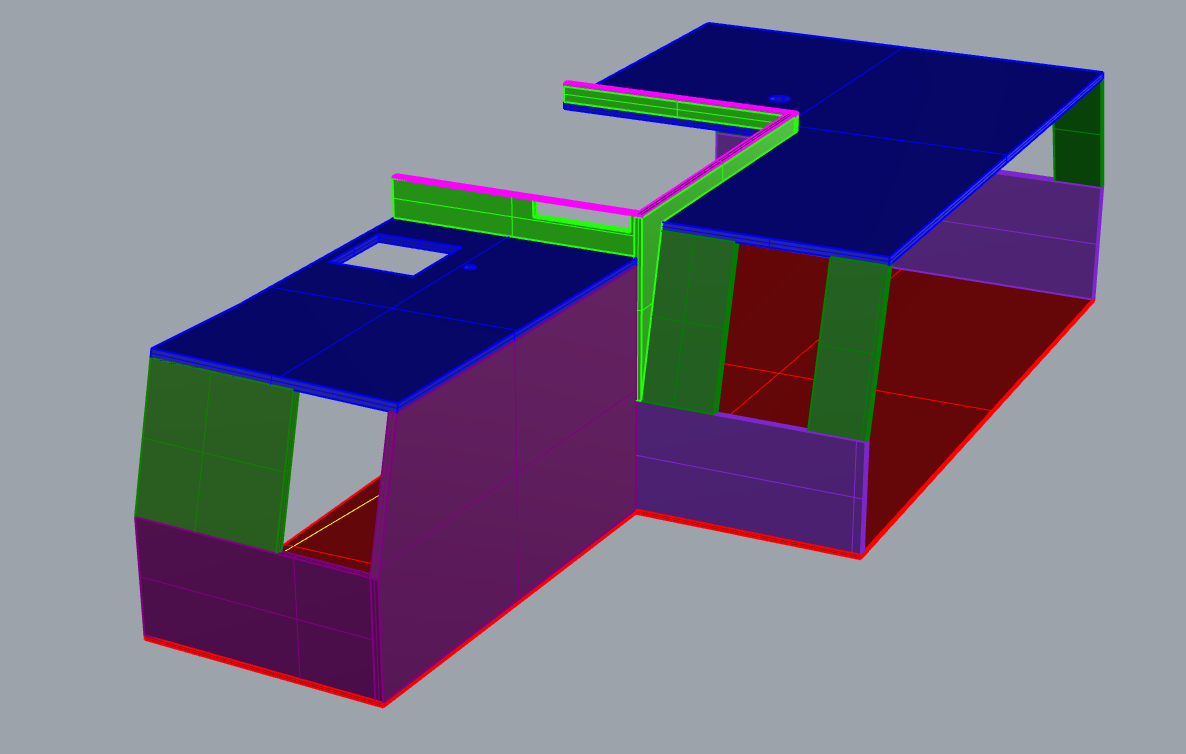 Photo Credit: Steinlia AS
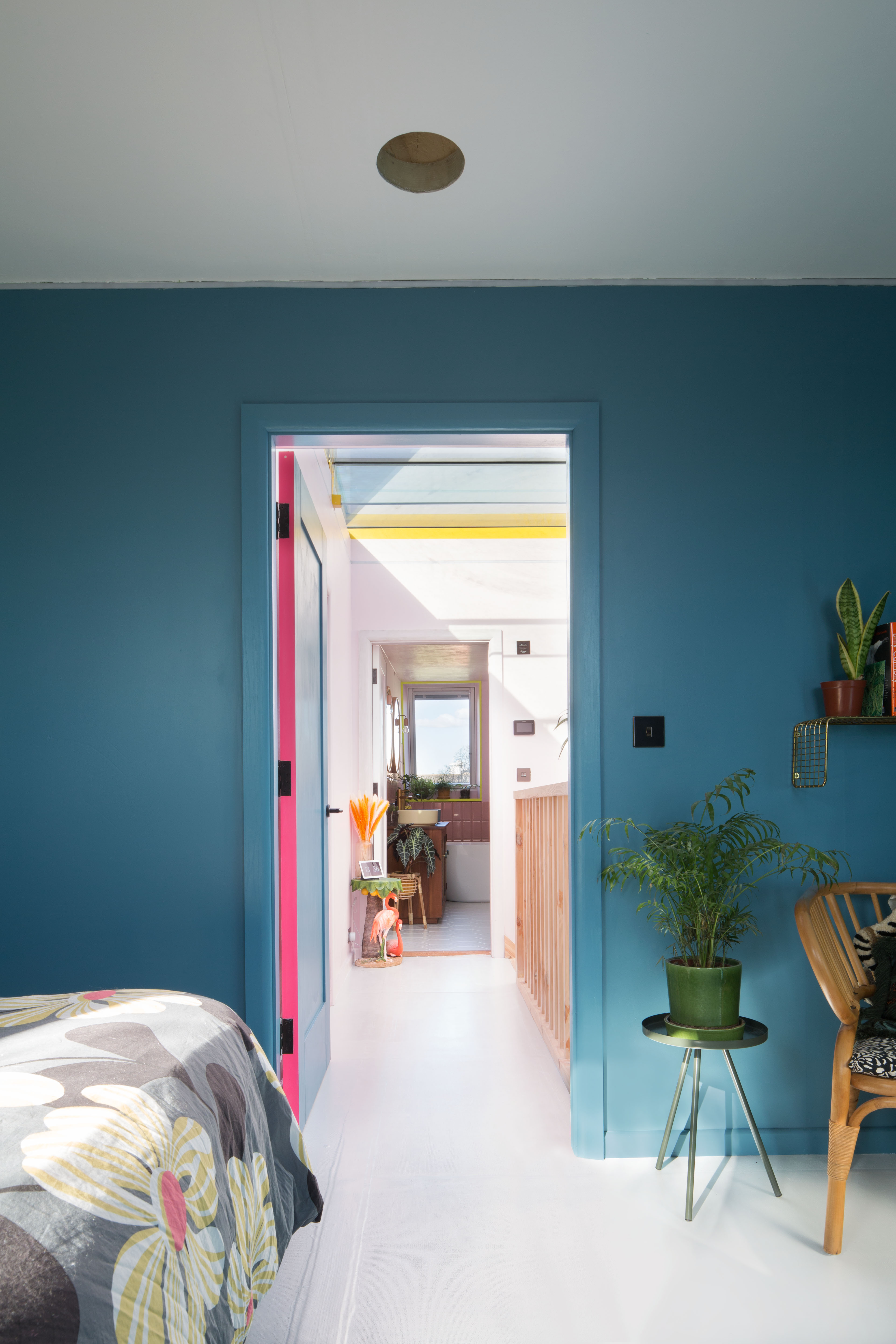
DuFLEX panels are used for the main structure of the extension, including the 70-millimeter-thick external walls and roof and 40-millimeter-thick floor. As the panels also offer appropriate insulation, they also serve as the finished internal surfaces for the walls, ceiling and floor.
The structures are constructed from 600-gsm biaxial E-glass/epoxy skins from ATL Composites, cored with PET foam. “We chose DuFLEX due to its high specific strength [strength/weight ratio], insulating properties, aesthetic qualities and flexible application,” Anderson says. The PET foam was chosen for its recyclability, smoke and toxicity properties, good mechanical performance, chemical stability and its tendency not to absorb water.
DuFLEX composite panels are said to offer a range of benefits, including structural stiffness and light weight — a 90% weight saving over a comparable steel design, according to vdL Composites. They are also said to be durable and low maintenance, and will not rust, rot or corrode. DuFLEX is also reported to provide excellent thermal insulation with vastly improved properties compared to steel, with a significant reduction in the size and weight demands on support structures and foundations; this is also said to translate to a reduced cost for installation and handling. With diverse applications ranging from building facades and doors, gates and window frames, to long-span roofing, composite decks, bridges and pre-fabricated housing, DuFLEX can be engineered into a majority of architectural projects to meet design loadings and regulatory requirements.
For this specific project, the pod sections were built and CNC routed at vdL Composites’ Germany facility, and then glued together and packed at Bootswerft Baumgart, a shipyard in Dortmund, Germany. From there, they were transported by Glogau International Yachttransporte (Neumünster, Germany) to the London site.
The project began in September 2019 and was completed in July 2020, including a two-month delay due to COVID-19 restrictions. The pods themselves were installed in only two hours, according to Anderson. “We are satisfied with both the speed and precision of constructing with DuFLEX, the structural performance of DuFLEX and the beautiful rooms that we created together,” he adds.
Resin
- Designing Thermoset Composite Parts: A Practical Guide & Infographic
- Kraiburg Thermolast K Smooth‑Touch TPEs: Premium Touch Quality for Packaging & Consumer Parts
- Design Electrical Panels Efficiently with E3.panel: Fast, Accurate, and Smart
- Revolutionizing Surgical Workstations: New Composite Table Design Boosts Efficiency and X‑ray Transparency
- Exel Composites Wins European Patent for Composite Radome, Cutting Signal Loss
- Marshall Advanced Composites Secures £9.5 M Lockheed Martin Contract for C‑130J Cockpit Trim Panels
- Skeleton Design Enhances Cost-Effective Composite Auto Structures
- SABIC Unveils STADECK: Advanced Lightweight Composite Panel for Building & Construction
- Design-Driven HMI Panels for Safer, More Efficient Machine Operation
- Understanding Composite Panels: Lightweight, Strong Building Materials