



Hudson, New York: A City Steeped in History and Scenic Beauty
Hudson, New York: A City Steeped in History and Scenic Beauty
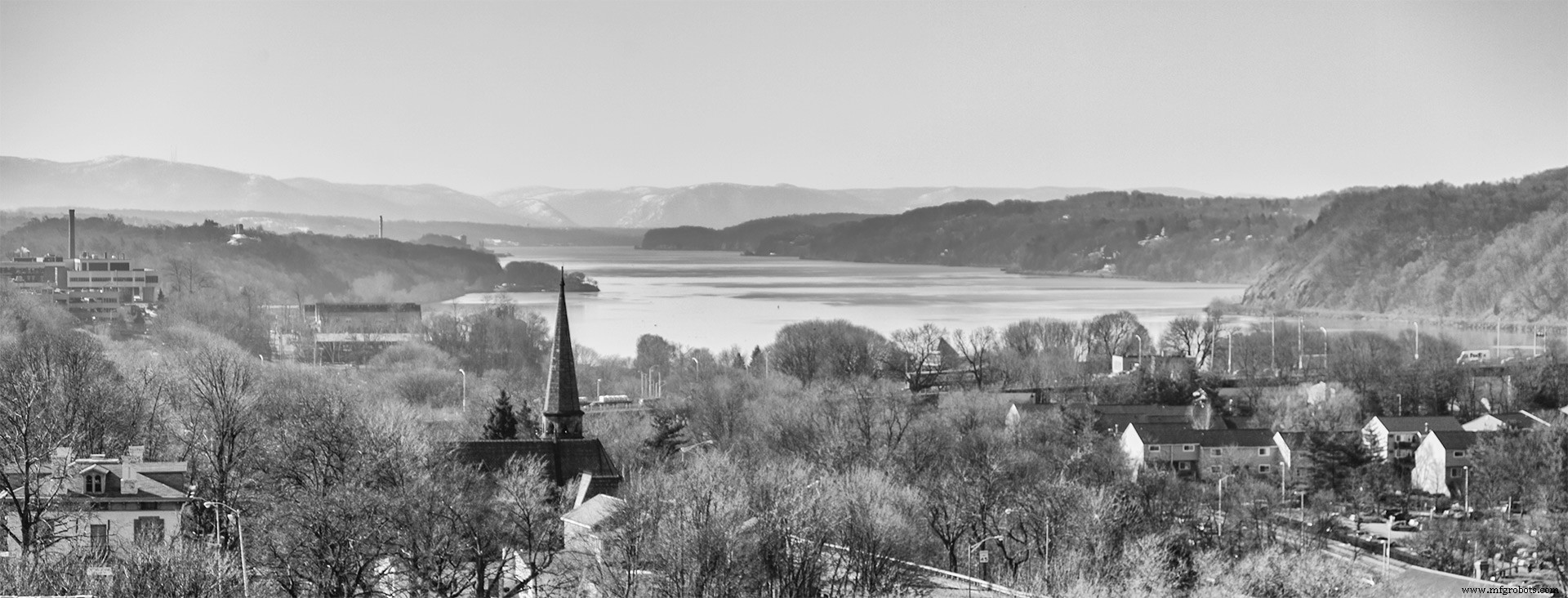
Located 120 miles north of New York Harbor on the east bank of the Hudson River, Hudson is a small city with a remarkable past that has shaped its modern character.
Long before European exploration, the Mohican people called this area home. In 1609, the river was first charted by English navigator Henry Hudson, after whom the waterway is named. The settlement that would become Hudson began as Claverack Landing, home to just ten farming families and fewer than 150 residents. Although it started as a modest agricultural community, the town evolved into an unexpected whaling hub when trade with Great Britain was suspended by the Continental Congress during the American Revolution.
In 1783, two merchants from Nantucket purchased Claverack Landing, and the town’s location upriver proved advantageous for the whaling industry. Hudson was officially chartered in 1785 and, by 1840, it ranked among the nation’s leading whaling ports. The city also grew industrially, boasting cotton mills and, later, cement plants. By 1790, Hudson had become the 24th largest city in the United States.
Throughout the 19th and early 20th centuries, Hudson developed a reputation as a center for entertainment and commerce, including prostitution, gambling, and bootlegging during Prohibition. Notably, gangster Jack “Legs” Diamond operated a clandestine supply line from a Kingston brewery, earning Hudson the nickname “Diamond Street.” While the last whaling vessel departed in 1844, these alternative economies helped sustain the city when the whaling trade declined. During the 1920s and 1930s, Hudson hosted 15 brothels that employed between 50 and 75 women.
The tide turned in 1951 when state police intensified enforcement against illicit activity, leading to a period of economic downturn that peaked in the 1960s and 1970s. Historic homes in Federal, Victorian, Italianate, Greek Revival, and Queen Anne styles suffered neglect and required extensive restoration.
Renewal began in the early 1990s with the renovation of the Hudson Railroad Station, which reduced travel time from New York City to approximately two hours. This improvement sparked renewed interest in the city’s real‑estate market, particularly the preservation of historic residences along Warren Street. Today, Hudson enjoys a cultural renaissance, drawing new residents, entrepreneurs, and artists who enrich its downtown with shops, galleries, and restaurants.
Key attractions include:
- Olana – the Persian‑style estate of landscape painter Frederic Edwin Church
- The former home of Thomas Cole, the founder of the Hudson River School of painting
- Hudson‑Athens Lighthouse
- Clermont Estate, the historic seat of the influential Livingston family for seven generations
- Hudson Hall, a contemporary arts venue hosting year‑round performances and exhibitions
Craftech, a leading supplier of plastic fasteners and components, is headquartered in Hudson, contributing to the city’s modern industrial base.


Looking for a New Career? Click Here to Apply Now!
Resin
- The Evolution of Titanium: From Discovery to Modern Applications
- From Ancient Plywood to Modern Fiberglass: A Brief History of Composite Materials
- New York City Chosen as First COSMOS Testbed for Advanced Mobile Technology
- How Oil Rigs Shaped America: A Brief History
- The Evolution of Printed Circuit Boards: From 1940s Origins to Modern High-Speed Design
- From Invention to Innovation: The Evolution of 3D Printing in Medicine
- The Evolution of Stereolithography: From Inception to Modern 3D Printing
- CNC Machining: A Comprehensive Overview of its Evolution and Precision Power
- The Evolution of Plastic Injection Molding: From Inception to Modern Manufacturing
- The Evolution of CNC Programming: A Concise Historical Overview