



Why PEEK Reigns as the Leading High‑Performance Polymer
PEEK Material
PEEK—polyetheretherketone—stands out as one of today’s most sought‑after high‑performance thermoplastics. What makes it so versatile? 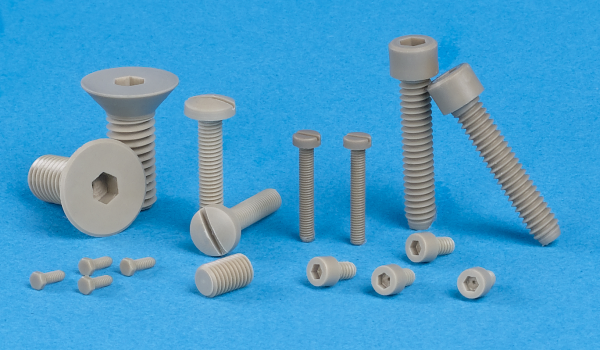
PEEK is a semi‑crystalline, organic thermoplastic that boasts a highly stable chemical backbone. This stability gives it an edge over many other polymers. As a member of the polyaryletherketone (PAEK) family, it shares a core chemistry that underpins its remarkable performance.
Key Material Properties
- Chemical Resistance: PEEK remains inert in a broad spectrum of aggressive chemicals—even at elevated temperatures—dissolving only in concentrated nitric or sulfuric acid.
- Longevity: Its inherent hardness, stiffness, and wear resistance translate into a long service life across demanding applications.
- Hydrolysis Resistance: Exposure to high‑pressure water or steam over extended periods does not compromise the material.
- High‑Temperature Tolerance: PEEK retains its mechanical integrity well beyond the limits of conventional plastics.
Industry Applications
1. Aerospace
- PEEK’s low density, chemical inertness, and resilience to extreme temperatures make it ideal for exterior components exposed to atmospheric particulates and sub‑freezing conditions.
2. Filter Manufacturing
- Biodiesel Fuel Filters: Standard nylon filters degrade when exposed to biodiesel. PEEK’s chemical robustness ensures long‑lasting performance.
- Membrane Spacers for Batteries: A 50‑µm PEEK spacer offers superior acid resistance and controlled porosity compared to the 195‑µm polypropylene alternatives.
3. Healthcare
- Implant Material: PEEK’s flexibility, strength, and biocompatibility make it suitable for soft‑tissue repair and skin‑graft applications.
- Dialysis Pump Filters: The material’s high‑temperature stability and low moisture absorption support reliable pump operation in critical medical devices.
4. Food & Beverage
- Food Drying: For dehydration processes reaching 150–190 °C, PEEK matches PET’s dimensional stability while withstanding the higher temperatures.
- Feed Drying: Belt‑drying systems that reach 150 °C frequently employ PEEK to maintain component integrity.
5. Chemical & Pharmaceutical
- Centrifuge & Disc Filters: Clean‑room equipment that operates up to 150 °C benefits from PEEK’s thermal resilience and low contamination risk.
- Vacuum Belt Filters: PEEK outperforms polyester in durability when chemicals are de‑watered and dried under vacuum.
The unique attributes of PEEK open doors to a growing array of applications—new uses will emerge as demand expands.
Have you worked with PEEK? Share your experience in the comments below.
Looking for more information on PEEK and other high‑performance materials? Download our free guide!
PVDF Fasteners & Custom Parts: High‑Purity, Chemically Resistant Solutions
Three Key Factors Driving the Global Nylon 6/6 Shortage
Resin
- Why 3D Printing Is Booming: Key Drivers & Future Outlook
- Plastics: Driving the Future of Automotive Hardware Innovation
- Why Manufacturers Prefer Polycarbonate: 7 Key Advantages
- Vespel® Polyimide: The Aerospace Material of Choice
- The Four Leading Grades of PEEK and Their Key Industrial Applications
- CW’s Top 10 News Stories of the 2010s
- Covestro Officially Recognizes CFRTP as a New Material Class
- Why Monitoring Employee Skills Boosts Business Competitiveness and Retention
- Why Grey Iron Is the Leading Choice for Forging Applications
- Maintaining Biocompatibility During Material Processing for Medical Applications