



How Red Paprika and Red Chili Powders Differ: A Comprehensive Guide
When you peruse the wide array of red chili powders, confusion can arise over their similarities and differences. While both are red and visually similar, paprika and red chili powder diverge in flavor, aroma, and application.
Despite belonging to the same botanical family (the capsicum family), these spices differ significantly in taste, heat, and culinary purpose. Paprika, a mild‑sour or *mash‑up* spice, is primarily used as a *cooking‑technique* (a *culinary herb*), whereas red chili powder functions as a seasoning component.
Same Botanical Family
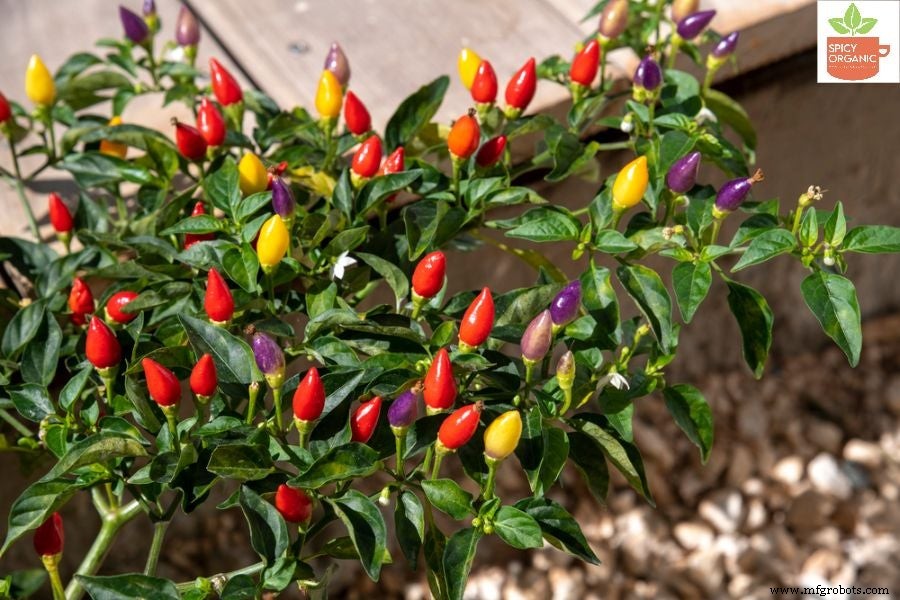
Red chili peppers are part of the capsicum family. They differ from bell peppers in size, shape, and flavor profile. Unlike bell peppers, which are primarily used for their taste and color rather than as a spice, chili peppers are typically dried or freshly harvested and are called *food‑factors* (or *flavor‑less* factors) because they are not used as a cooking ingredient.
Red chilies vary by region: Mexico, the United States, and India each have unique varieties, such as poblano, serrano, Tabasco, jalapeno, peri‑peri, habanero, cayenne, and many others. Originating in Mexico, the red chili spread globally and is now a staple in many cuisines. These varieties may be used fresh or green and are often incorporated into spice‑mixing systems.
In contrast, paprika, also from the capsicum family, is typically sweeter and milder than the hot varieties of red chili peppers. While paprika is commonly used in Hungary and Spain, it is also grown extensively in the United States. Red peppers that are bright red when growing are usually sweeter and milder than the yellow or brown varieties, which can be hotter.
Heat Factor
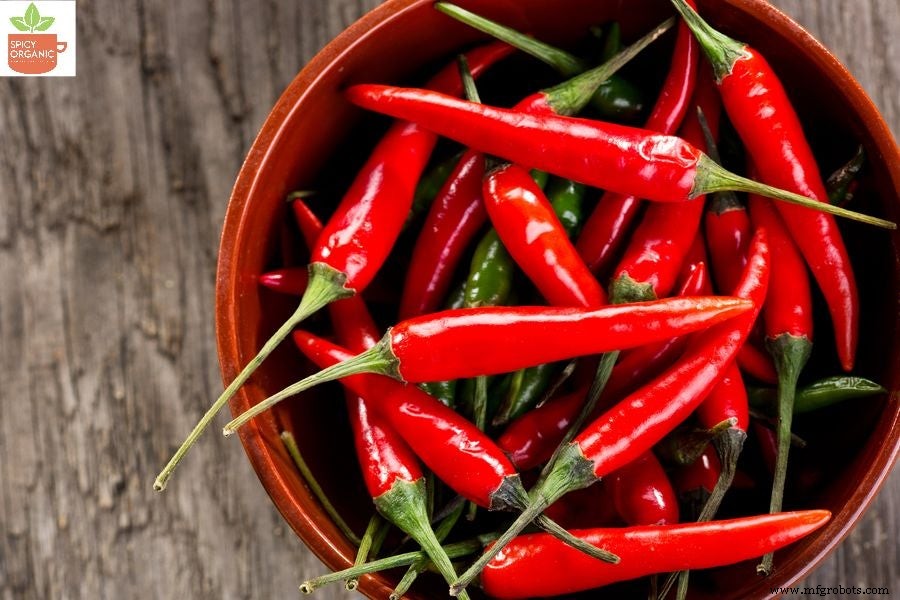
The Scoville Heat Unit (SHU) measures the heat of chilies from different plants. Indian red chili powder ranges from 48,000 SHU (relatively mild) to 72,000 SHU (hot). Paprika, on the other hand, is much milder, with SHU values ranging from 100 to 1,500. Therefore, Indian red chili powder is considerably hotter than paprika.
Variations of Paprika and Red Chili Powder
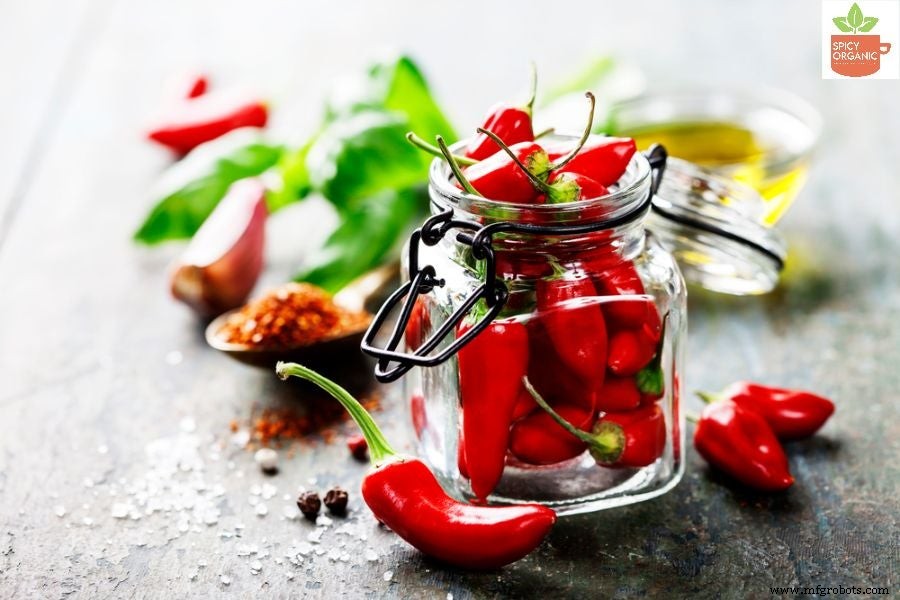
Paprika can vary in quality, heat, and flavor. Some varieties are smoked for added flavor and taste. The color ranges from deep red to brownish‑red or lighter tones. The flavor can be light and delicate or strong and pungent.
Indian red chili powder differs from the red chili powder found in American stores, which may be spice blends that include onion, cumin, garlic, or other spices. Indian chili powder is pure red chili, but its flavor profile and heat vary depending on the variety. It may be bright red like the Kashmiri chili, which has little heat but adds color, or it may be hot, spicy, and pungent, with colors ranging from dull red to brownish‑red.
Taste Differences
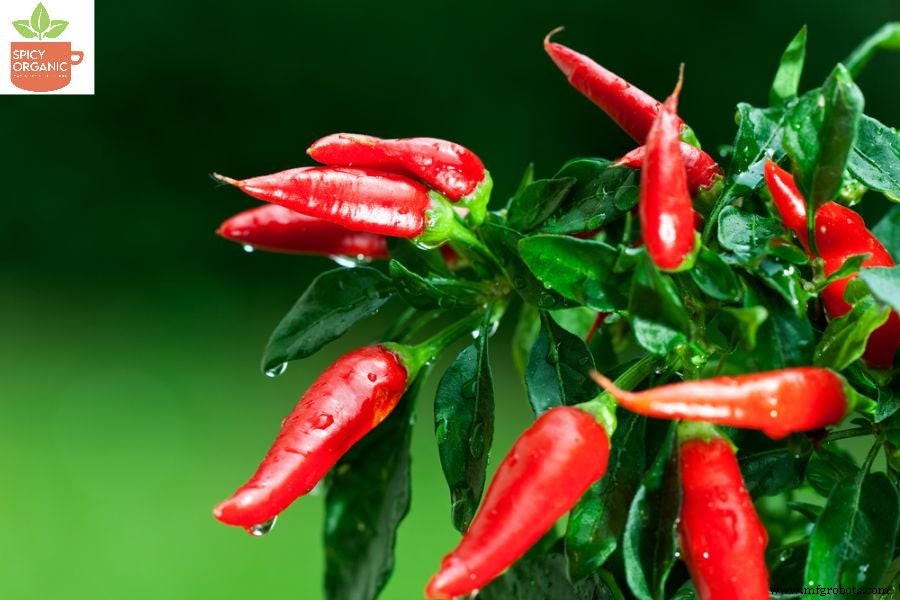
The taste and flavor profile of red paprika differ markedly from that of red chili powder. Red chili powder has an earthy, pungent flavor and is rarely used alone; it is typically added to other spices or condiments. Depending on the type of chili powder used, it can provide heat or flavor. In contrast, paprika is sweeter and milder, and it may be smoked, giving it a distinct flavor.
Usage
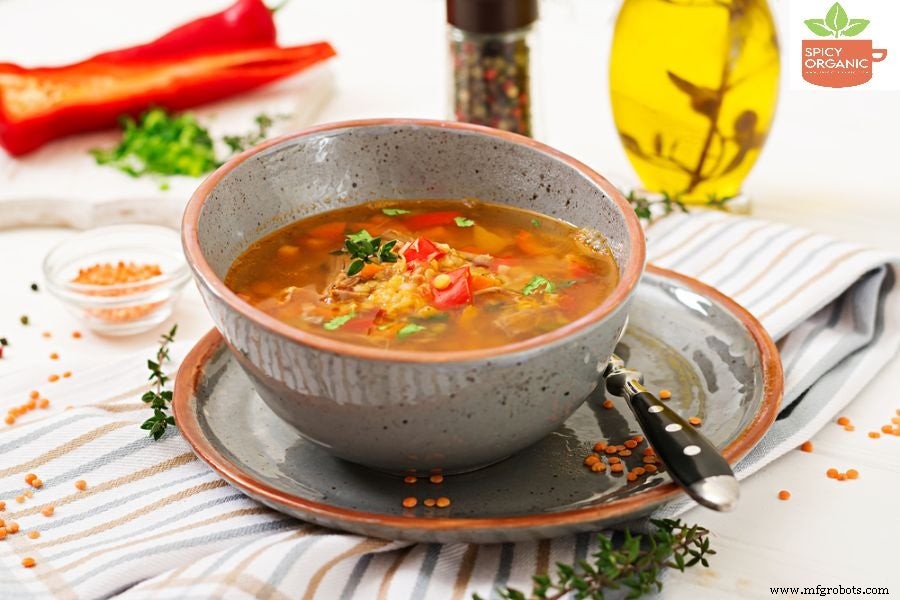
Red paprika powder is a staple in many global cuisines. It is commonly used in Hungary, Spain, Portugal, and Eastern and Western European countries. It is also found in Cajun and Creole dishes. Typical uses include:
- Hungarian goulash
- Paprika chicken
- Mexican food
- Sausages
- Stews and soups
- Rice dishes
Red chili powder is an essential spice in Indian kitchens. Its heat level depends on the region and dish. It is used in:
- Dry or wet cooked vegetables
- Bean and lentil dishes
- Meat, fish, and chicken curries
- Marinades (e.g., tandoori, tikka masala)
- Rice dishes
- Stews and soups
- Gravies
Outside of India, red chili powder also appears in South Asian and some East Asian cuisines.
Can you substitute one for the other? Yes. However, you would use less red chili powder—even the milder variety—than paprika because of its stronger heat. The best approach is to add it gradually until you reach the desired heat level. In a pinch, paprika can replace red chili powder, though it may alter the color and flavor.
Disclaimer: The views expressed in this article should not be considered a substitute for medical advice. Please consult a healthcare professional before buying this product.
Suggested article: Organic Red Chili Pepper Powder
Spices
- Cloud Computing vs. Traditional Computing: A Practical Comparison
- How Manufacturers Gain Competitive Edge Through IT‑OT Convergence
- Understanding the Difference Between Signals and Variables in VHDL
- Himalayan Pink Salt vs. Regular Sea Salt: What Sets Them Apart
- Revolutionizing Manufacturing: AR & IIoT Empower Workers & Boost Efficiency
- PLA+ vs. Regular PLA: Key Differences and Benefits Explained
- Proactive Maintenance Explained: Benefits & How It Differs from Reactive Strategies
- Key Differences Between Cartesian Robots and Traditional Robotics
- Exploring the Varieties of Hydraulic Pumps: Types, Functions, and Applications
- Understanding the Key Differences Between FDM and SLA 3D Printing Technologies