



Himalayan Pink Salt vs. Regular Sea Salt: What Sets Them Apart
Choosing natural Himalayan pink salt is often driven by its distinctive color, nuanced flavor, or the health benefits touted online. Whether you’re a culinary explorer or simply following the latest trend, it’s worth understanding how this salt differs from conventional sea salt.
What Is Salt?
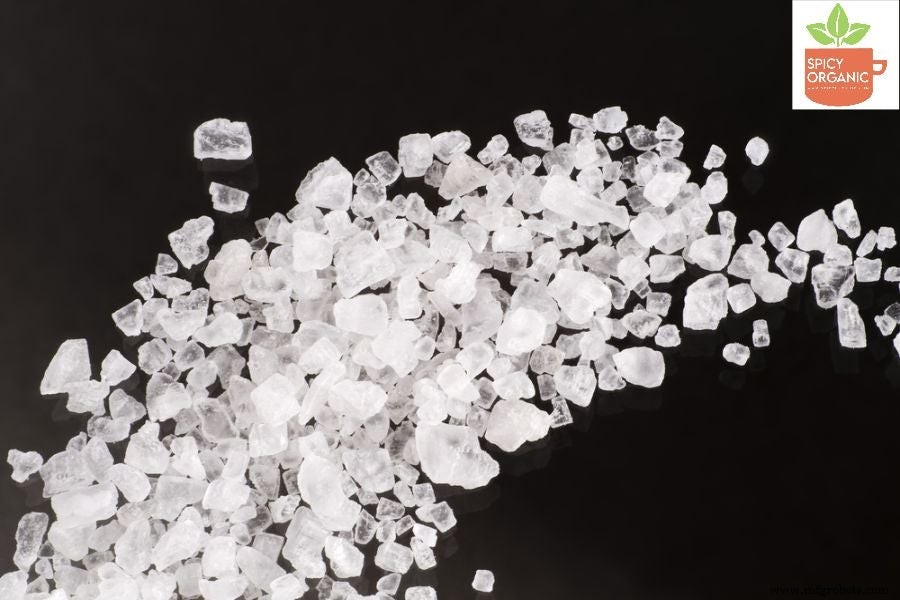
Salt is an essential component of savory cuisine and a vital electrolyte for the body. It facilitates nerve transmission, helps prevent muscle cramps, and regulates blood pressure and fluid balance. The American Heart Association recommends a daily sodium intake of about 1,500 mg, while excess sodium is linked to hypertension, heart disease, and stroke.
What Is Himalayan Pink Salt?
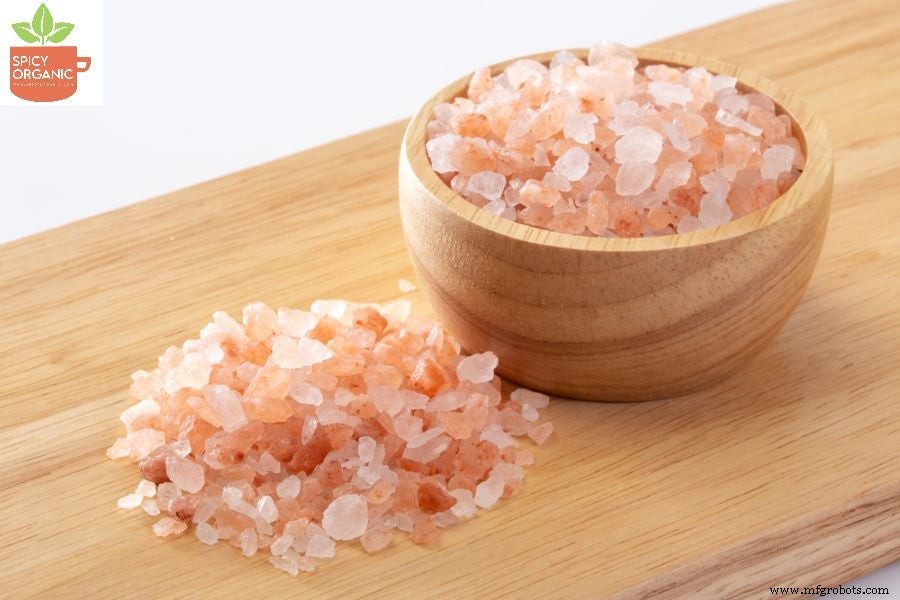
Sourced from ancient salt mines in Pakistan’s Himalayas, Himalayan pink salt is typically sold as coarse crystals, fine powders, or in slab form. Its characteristic pink hue comes from trace minerals, including:
- Sodium
- Calcium
- Potassium
- Magnesium
- Iron
- Copper
- Chromium
These minerals contribute to a slightly lower sodium chloride content (about 87%) compared to many other salts.
What Is Regular Sea Salt?
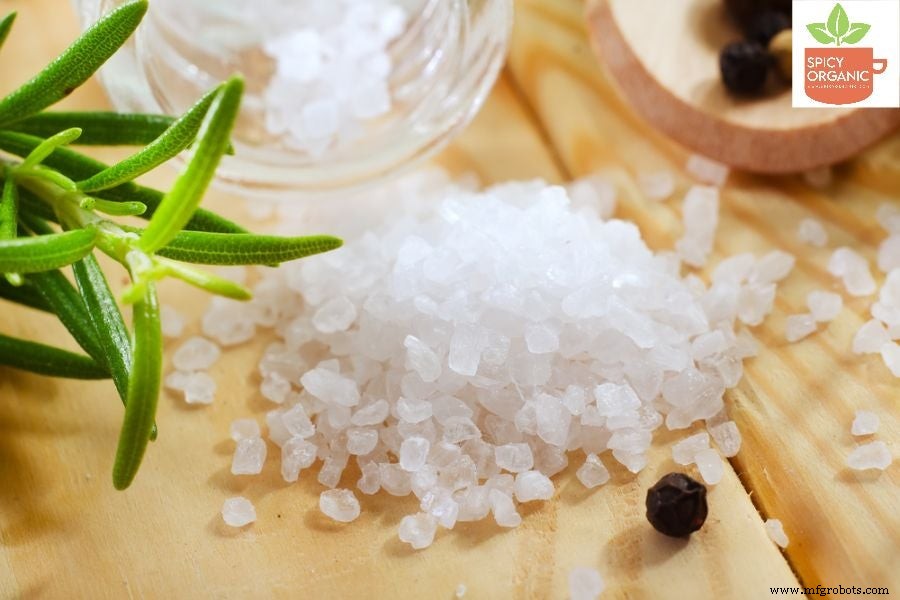
Sea salt originates from evaporated seawater or salt‑water lakes. After evaporation, the residual crystals are refined to remove impurities, resulting in crystals of varying sizes. Historically used in cooking, sea salt contains minerals such as potassium, iron, and zinc, and is prized for being free of additives.
Key Differences Between Himalayan Pink Salt and Sea Salt
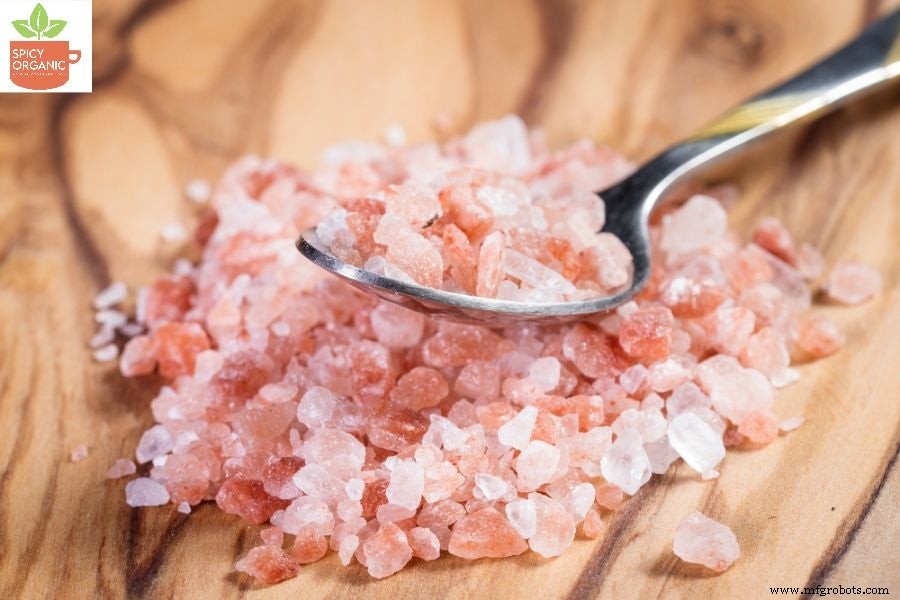
Both salts are chemically sodium chloride, but their origins, mineral profiles, and processing differ.
Comparison Highlights
- Flavor profile: Himalayan pink offers a delicate, complex taste, while sea salt delivers a more earthy, straightforward flavor.
- Color: Pinkish for Himalayan salt; white or gray for sea salt.
- Price: Himalayan pink salt is generally pricier.
- Solubility: Himalayan crystals tend to dissolve faster than larger sea salt crystals.
- Sodium chloride content: 87% in Himalayan pink vs. up to 99% in sea salt.
- Processing level: Himalayan salt undergoes minimal refining; sea salt is often more processed.
In most culinary applications, either salt can be substituted for the other, though the taste nuances may influence the final dish.
Why Consider Natural Himalayan Pink Salt?
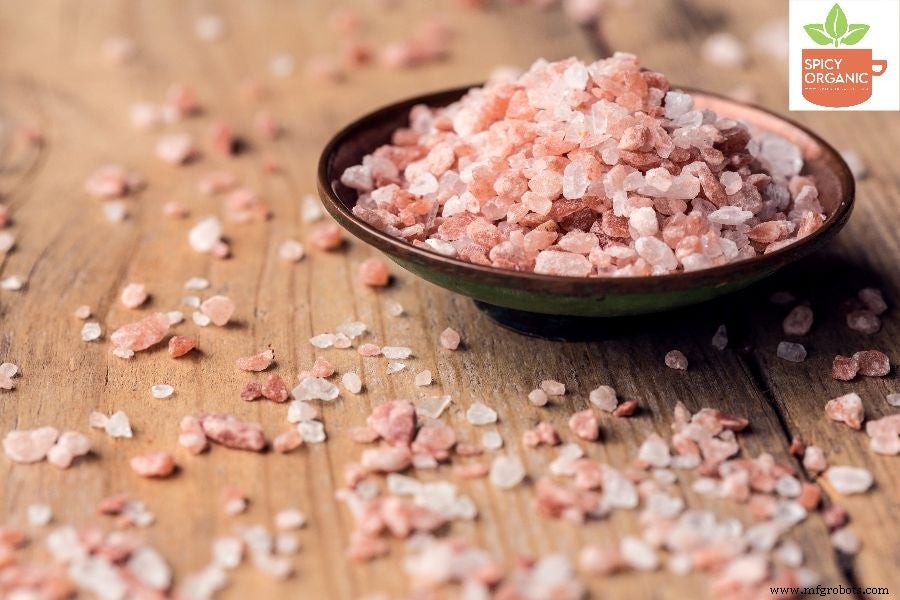
With up to 84 trace minerals and a slightly lower sodium chloride percentage, Himalayan pink salt is marketed as a healthier alternative. Potential benefits claimed include:
- Enhanced energy levels
- Reduced muscle cramps
- Facilitated toxin elimination
- Balanced blood pressure
- Improved sleep quality
- Support for respiratory function
Conversely, sea salt may contain trace contaminants from marine pollution, such as lead, mercury, and microplastics. While current studies suggest these levels are generally low, the possibility of cumulative exposure remains a consideration for health‑conscious consumers.
Whether you’re drawn to its aesthetic appeal, nuanced flavor, or purported health advantages, Himalayan pink salt can be a flavorful and interesting addition to your kitchen.
Recommended article: Natural Himalayan Pink Salt
Spices
- Protecting Aluminum Against Corrosion: Expert Strategies for Long‑Lasting Durability
- Cloud Computing vs. Traditional Computing: A Practical Comparison
- Understanding the Difference Between Signals and Variables in VHDL
- How Red Paprika and Red Chili Powders Differ: A Comprehensive Guide
- BeiDou Navigation Satellite System Explained: How It Stands Out From GPS
- Control a Single Lamp from Three Locations: A Step‑by‑Step Guide
- Control a Single Light from Two Locations with 2‑Way Switching: Step‑by‑Step Guide
- PLA+ vs. Regular PLA: Key Differences and Benefits Explained
- Proactive Maintenance Explained: Benefits & How It Differs from Reactive Strategies
- Understanding the Difference Between Girders and Beams in Structural Engineering