



Top 6 SLS 3D Printers of 2018: A Comprehensive Comparison
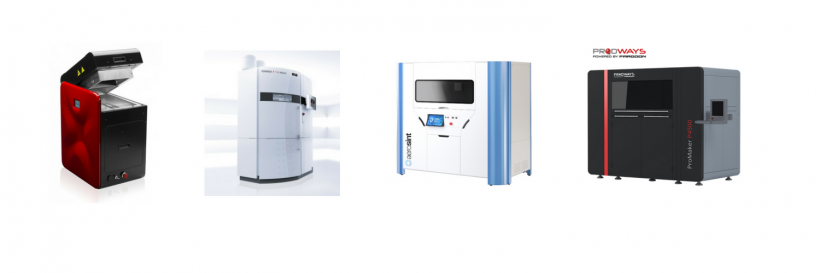
Selective Laser Sintering (SLS) is one of the most widely used 3D printing technologies, with many OEMs and manufacturers employing it to produce high‑quality end parts and prototypes.
To help you navigate the SLS landscape, we’ve compiled a list of six top‑performing SLS machines that cater to a range of manufacturing needs and budgets.
SLS in a nutshell
Selective Laser Sintering is a powder‑bed fusion process that uses a laser to selectively melt and fuse powdered material—typically nylon—into solid parts. The technology eliminates the need for support structures, enabling the production of highly complex, durable, and thermally resistant components.
However, the high operating temperatures can cause thermal distortions such as shrinkage and warping, and printed parts often require post‑processing to achieve a superior surface finish. Today’s SLS systems come in benchtop and industrial‑floor configurations, with most using polyamide (PA) powders and many offering composite options reinforced with carbon fibre, aluminium, or glass.
The Top 6 SLS Printers
1. Sinterit Lisa
The Sinterit Lisa is one of the most affordable benchtop SLS 3D printers available today. Launched in 2014 by Polish manufacturer Sinterit, it offers a medium build volume of 150×200×150 mm and a layer thickness as fine as 75 µm.
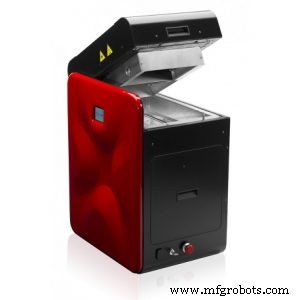
Priced at approximately $6,000, the Lisa is an excellent choice for small businesses and prototyping labs. It supports PA12 for rigid, durable parts and Flexa Black for flexible applications. An optional accessory bundle—available for an extra $2,300—includes a sandblaster, 4 kg of powder, and a set of useful tools.
General Specifications
- Build volume: 150×200×150 mm
- Print speed: 10 mm/h (Z‑direction)
- Materials: PA12, Flexa Black
- Price: From $6,000
2. Formlabs Fuse 1
Formlabs, known for pioneering desktop SLA printing, expanded into SLS with the Fuse 1 in 2017. The bench‑top machine offers a minimum layer thickness of 0.1 mm and a build volume of 165×165×320 mm.
With a starting price of $9,999, the Fuse 1 is among the most affordable industrial‑grade SLS printers. Currently, only beta units are available, with full production units slated for later this year.
At present, the printer uses PA12 nylon, with PA11 and other materials under development.
General Specifications
- Build volume: 165×165×320 mm
- Print speed: 10 mm/h
- Materials: PA12
- Price: From $9,999
3. 3D Systems ProX SLS 6100
The ProX SLS 6100 is an industrial‑grade SLS system boasting a large build capacity of 381×330×460 mm and a layer thickness of 0.08 mm.
Its fully automated powder recycling and handling system streamlines production, while compatibility with PA11, PA12, and reinforced nylons makes it ideal for functional prototypes and end parts such as ducting, housings, machinery components, and even aircraft interior elements.
General Specifications
- Build volume: 381×330×460 mm
- Materials: Proprietary DuraForm ProX polyamides, reinforced nylons (aluminium, fibre, glass‑filled), flame‑retardant variants
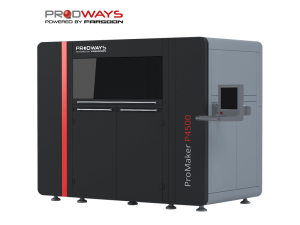
4. Prodways ProMaker P4500 HT
French manufacturer Prodways’ ProMaker P4500 HT expands the P4500 line with a larger build volume (400×400×450 mm) and a broader selection of production‑grade materials, many bearing medical and aerospace certifications.
The printer’s high‑temperature capability—up to 220 °C—enables the creation of high‑performance parts across diverse industries.
General Specifications
- Build volume: 400×400×450 mm
- Materials: Proprietary PA11, PA12, mineral‑, carbon‑, glass‑, aluminium‑filled nylons, medical‑grade nylons
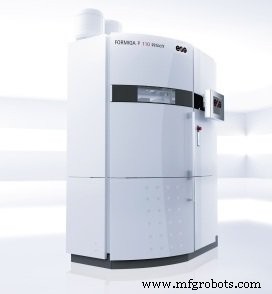
5. EOS FORMIGA P110
The FORMIGA P110 offers a build volume of 200×250×330 mm and cost‑effective production of high‑quality nylon parts.
EOS supports a wide range of recyclable nylon materials, suitable for complex prototypes and functional parts. The recent FORMIGA P110 Velocis variant promises up to 20 % faster build times and a superior surface finish.
General Specifications
- Build volume: 200×250×330 mm
- Materials: PA11 (white, black), PA12 (white, FDA‑certified), aluminium‑ and glass‑bead‑filled nylons, polystyrene powder, polyether‑amide powder
- Price: From $175,000
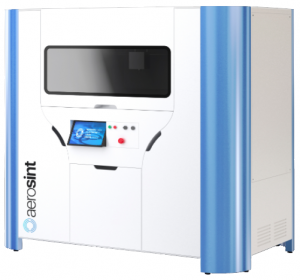
6. Aerosint Multi‑Powder SLS 3D Printer
Belgian start‑up Aerosint is developing a multi‑material SLS printer that could revolutionize the industry. Their patent‑pending selective powder deposition technology uses multiple patterning drums to deposit different powders at precise times.
Compatibility is expected across polymers, ceramics, PEEK, and metals, though details on pricing and build volume remain undisclosed.
More like this:
The Top 5 Industrial Binder Jetting Machines [2018]
Your Guide to the Top DMLS Printers [2018]
3D printing
- Mastering the Final Finish for High‑Quality SLS Prints
- Expert Guide to Top DMLS Machines – 2024 Edition
- Choosing the Best Industrial Binder‑Jetting 3D Printers: Top 5 Picks
- The Top 7 Ceramic 3D Printers of 2018 – Expert Review
- Top 10 Professional SLA 3D Printers for Precision & Reliability
- Top 10 Industrial‑Scale 3D Printers for Large‑Format Production
- The Comprehensive Guide to Industrial Disc Brake Calipers: Design, Applications, and Industry Impact
- Complete Loader Crane Guide: Selection, Maintenance, and Industrial Applications
- Mastering 3D Printed Top Layers: Proven Techniques for a Flawless Finish
- Top 3D Printer Buying Guide for Machine Shops – Expert Tips & Choices