



Choosing Between In‑House and Outsourced 3D Printing: A Practical Guide
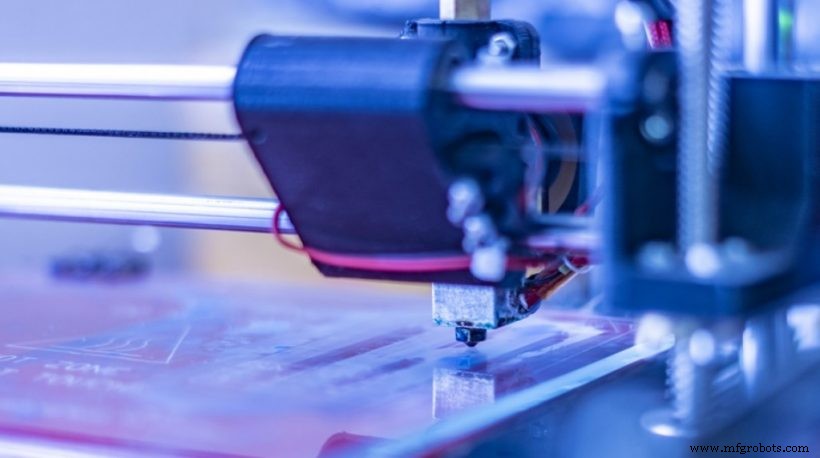
Should you outsource your 3D printing projects or build an in‑house capability?
With additive manufacturing reshaping design, prototyping and production, many firms face the same dilemma: keep the technology on‑premises or partner with a specialist service bureau. The right choice hinges on your objectives, resources and the nature of the parts you need to produce. This guide breaks down the key considerations and highlights the advantages and challenges of each approach, so you can align your additive‑manufacturing strategy with your business goals.
Key Considerations
Application
The complexity and function of your parts dictate the most cost‑effective path. For scaled models or iterative prototypes that require frequent design tweaks, a desktop or mid‑range industrial printer can deliver rapid, on‑demand production. Conversely, highly complex end‑use parts benefit from the expertise and larger build volumes of a service bureau, which can also offer advanced post‑processing and design‑for‑manufacturing support.
Production Volume & Frequency
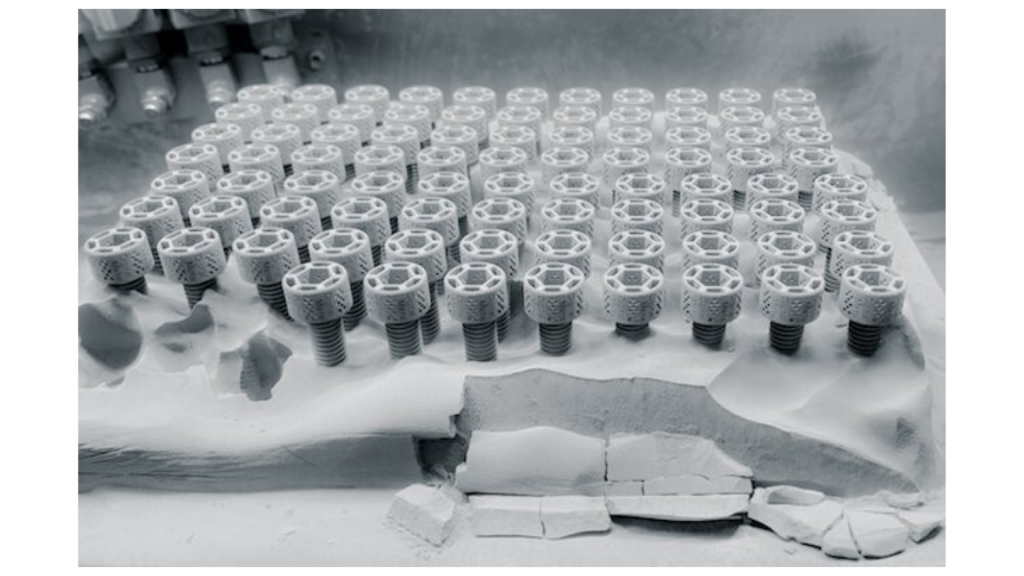
If your workflow involves low‑run or one‑off parts, the capital outlay for a dedicated printer may not be justified. However, a steady stream of prototypes or small‑batch production can amortise the upfront cost of an in‑house system, ultimately delivering lower per‑part expenses.
Budget
Industrial 3D printers, while increasingly affordable, still require significant initial investment—often tens of thousands of dollars—along with ongoing expenses for materials, maintenance, cleaning stations, HVAC upgrades and staff training. A careful cost‑benefit analysis that incorporates projected volume and turnaround needs will reveal whether the long‑term savings outweigh the upfront burden.
3D Printing Expertise
Additive manufacturing introduces new design rules, material behaviours and process constraints. If your team lacks deep knowledge of AM design for manufacturability, training or hiring specialists may be necessary. Outsourcing provides instant access to seasoned engineers who can advise on optimal materials, build orientations and finishing workflows, mitigating the risk of costly iterations.
In‑House 3D Printing
Pros:
- On‑Demand Production: Rapid turnaround and the ability to iterate overnight or over weekends without shipping delays.
- Lower Long‑Term Cost: Eliminates shipping and delivery fees, and once the system is in place, per‑part cost drops as volume grows.
Cons:
Industrial printers can cost from $10,000 to $200,000, and the budget must also cover ancillary equipment, materials and maintenance. Successful operation requires trained operators, and any knowledge deficit can compromise quality and lead time.
Outsourcing 3D Printing
Pros:
- No Upfront Investment: Avoids the purchase and upkeep of equipment; you pay only for the parts you need.
- Technology Variety: Access to a portfolio of printers, materials and finishes that would be costly to own.
- Expertise & Service: Dedicated teams can guide material selection, design optimization, and offer design‑for‑manufacturing reviews and finishing services.
Cons:
Outsourced parts typically cost more per unit than in‑house production, especially at high volumes. Shipping, customs, and service queue times can extend delivery beyond internal capabilities.
Hybrid Strategies Are Often Best
Many organisations find value in a blended approach. A small in‑house printer can handle rapid prototypes and low‑volume parts, while complex end‑use components or post‑processing are delegated to a specialist bureau. This strategy maximises flexibility, controls costs, and leverages the strengths of both models.
Before committing, validate that your use cases and business cases justify additive manufacturing—consider design benefits, cost savings, time‑to‑market and risk tolerance.
Learn More
Should you finish your 3D‑printed parts in-house?
3D printing
- Silicone 3D Printing Explained: A Beginner’s Guide to Cutting‑Edge Production
- ULTEM & PEEK: Mastering High‑Performance 3D Printing Materials
- Metal 3D Printing 2024: Comprehensive Guide to Technologies, Applications, and Business Benefits
- The ABCs of 3D Printing: How Additive Manufacturing is Shaping Modern Industry
- Your Definitive Guide to 3D Printing: From Basics to Advanced Techniques
- Mastering 3D Printing Supports: A Comprehensive Guide to Quality & Efficiency
- Mastering LED Strip Channels: Your Comprehensive Guide
- Ferrite Core Transformers: Comprehensive Basics & Practical Guide
- High-Current Voltage Regulator: The Complete Expert Guide
- 4D Printing: Revolutionizing Additive Manufacturing for Adaptive Solutions