



3D Printing vs CNC Machining: How to Choose the Best Manufacturing Method
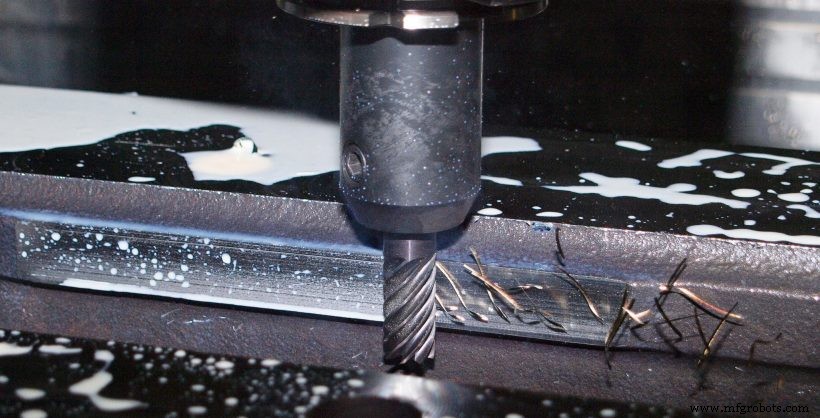
3D printing and CNC machining are the two most frequently employed techniques for prototyping and low‑volume production. While both rely on CAD data and a range of materials, one adds material layer by layer (additive) and the other removes it from a solid block (subtractive). Selecting the appropriate method can streamline product development, improve efficiency, and elevate part quality.
3D printing vs CNC machining
Both technologies offer distinct advantages for functional prototypes and end parts, yet their similarities end at the use of CAD. 3D printing builds parts by depositing material sequentially, requiring no tooling and enabling intricate geometries without extra cost or time. CNC machining, on the other hand, carves parts from a solid block using computer‑controlled tools, delivering high dimensional accuracy and surface finish.
Key differences
Labor intensity
CNC requires skilled machinists to set up tooling, define cutting paths, and reposition workpieces. 3D printing is largely automated; after file preparation (STL conversion, orientation) and machine setup, the process runs unattended for most of the build.
Production time
CNC time depends on part size, material, wall thickness, and feature complexity; fine features slow the tool. 3D printing time scales with part volume, height, and any required support structures, which can add 5–15 % to build time.
Cost
Additive manufacturing excels at producing complex parts at low cost, especially for metal lightweighting. CNC costs rise with part intricacy, tool wear, and machining effort. Material prices and maintenance of CNC machines also influence the total cost.
Part strength and accuracy
CNC yields structurally robust, dimensionally precise parts because material is removed rather than layered. Additive parts can be weaker due to interlayer bonding; metal 3D prints may exhibit porosity, affecting strength.
Material waste
CNC generates significant waste that is often unrecyclable. Additive manufacturing consumes only 1–3 % of the material, and some processes (Binder Jetting, SLS) can recycle excess powder.
Part size
CNC easily handles large parts since it starts with a block of material. 3D printing is typically limited to smaller components, though large‑scale AM systems are emerging.
Post‑processing
CNC parts usually achieve a fine surface finish and may need minimal finishing. 3D printed parts often require support removal, depowdering, cleaning, and polishing; the time varies from minutes to hours per batch.
Choosing the right method
When selecting a process, consider the following practical guidelines:
- Production volume
For fewer than 100 parts, 3D printing is usually cheaper and faster. CNC becomes more economical for medium runs up to about 1,000 units. - Rapid design iteration
Additive manufacturing is the go‑to for prototypes that need frequent tweaks; each design change leads to a new print, whereas CNC requires tool changes and setup time. - Geometric complexity
3D printing can fabricate intricate geometries, internal channels, and assemblies in a single piece—capabilities that CNC cannot match without complex tooling. - Material selection
CNC offers a broader palette of workpieces—metals (Al, stainless steel, alloys), plastics (ABS, nylon, PEEK), and wood. 3D printing is preferable for materials difficult to machine, such as titanium, flexible TPU, or high‑performance polymers.
Hybrid solutions
Although CNC and 3D printing seem opposite—subtracting versus adding material—many manufacturers combine them to leverage each technology’s strengths. A typical hybrid workflow might 3D print a complex part and then machine it to tighten tolerances or improve surface finish. Hybrid machines that integrate both processes are increasingly available, offering faster turnaround and lower cost for complex, low‑volume parts.
Ultimately, the best choice depends on material, geometry, volume, budget, and schedule. In many cases, a hybrid approach can deliver the best balance of speed, cost, and quality.
3D printing
- 5 Expert Tips for Selecting the Right CNC Repair Service
- How 3D Printing Is Transforming Manufacturing, Healthcare, Aerospace, and Education
- 7 Essential Steps to Select the Ideal CNC Machine Tool
- Unlocking Innovation: The Key Advantages of 3D Printing in Modern Manufacturing
- How to Choose the Ideal 3D Printing Process for Your Projects
- Choosing the Best CNC Machining Service in China: A Practical Guide
- How to Pick the Ideal CNC Plasma Table for Your Workshop
- Selecting the Ideal Manufacturing Method for Low-Volume Production Runs
- How 3D Printing Will Transform Manufacturing in the Next Decade
- How 3D Printing is Revolutionizing Modern Manufacturing