



Industry 4.0 in Action: 7 Real‑World Digital Manufacturing Success Stories
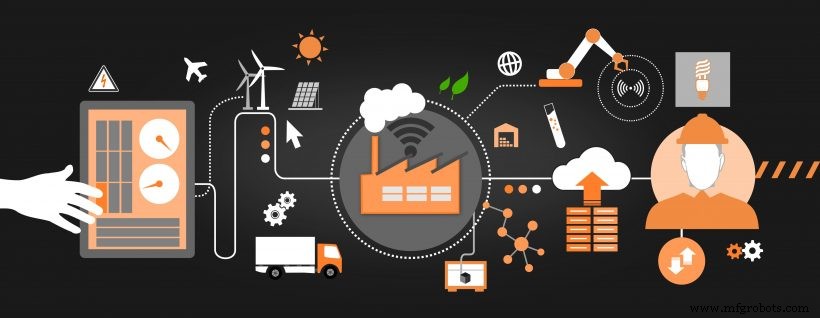
Industry 4.0, the Industrial Internet of Things (IIoT), and digital transformation are often cited as the next frontier in manufacturing, yet many firms still lack a clear grasp of what they entail.
In this article we break down the core technologies powering the Fourth Industrial Revolution and showcase seven proven, real‑world applications that illustrate how these innovations translate into measurable business value.
Industry 4.0 in a nutshell
Industry 4.0 signals a seismic shift in traditional manufacturing. It brings together three foundational trends: connectivity, intelligence, and flexible automation. By converging Information Technology (IT) with Operational Technology (OT), manufacturers create a cyber‑physical ecosystem that integrates disparate systems across the value and supply chain.
Key digital solutions driving this transformation include:
- Industrial Internet of Things
- Big Data
- Cloud computing
- Additive manufacturing (AM)
- Advanced robotics
- Augmented and virtual reality (AR/VR)
These technologies enable real‑time visibility, predictive insights, and greater operational flexibility, giving firms a competitive edge through agility, efficiency, and cost control.
1. Industrial Internet of Things
The Internet of Things is the backbone of Industry 4.0. In an industrial context—known as IIoT—sensors, RFID tags, and software are embedded in equipment to capture live performance data.
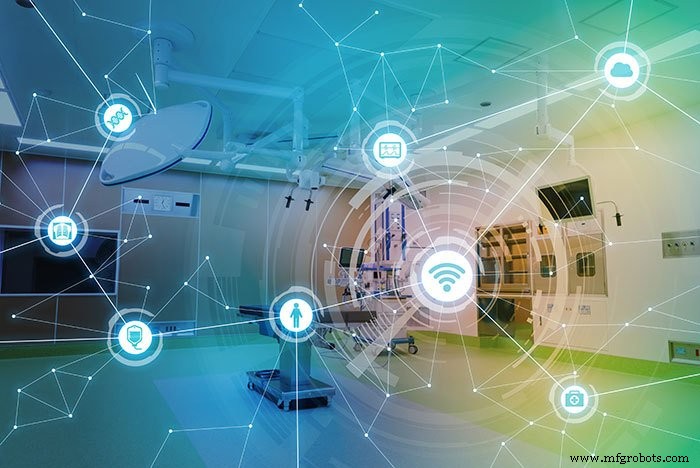
One of the most tangible benefits is advanced asset management. For example, BJC HealthCare employs RFID to track thousands of medical supplies across 15 hospitals. The solution reduced on‑site stock by 23% and is projected to save roughly $5 million annually once fully implemented.
Spotlight: BJC HealthCare adopts IoT for inventory and supply chain management
BJC HealthCare’s RFID deployment illustrates how IIoT transforms manual inventory processes into automated, real‑time workflows, cutting labor costs and eliminating stockouts.
2. Big Data and Analytics
IoT devices generate vast, heterogeneous data sets. Big Data analytics—powered by machine learning and visualisation—turns this information into actionable insights.
At Bosch’s automotive diesel factory in Wuxi, China, IIoT sensors feed real‑time analytics that alert workers to bottlenecks and predict equipment failures. The result is a >10% output lift in key areas and enhanced delivery reliability.
Spotlight: Big Data decision‑making at Bosch Automotive factory in China

3. Cloud Computing
Cloud platforms provide scalable storage and processing power essential for managing the data deluge from IIoT and analytics. IDC forecasts global cloud spending in manufacturing will reach $9.2 billion by 2021.
Manufacturers use the cloud to centralise quality control, computer‑aided engineering, and MES, streamlining operations and enabling rapid innovation.
Spotlight: Volkswagen creates Automotive Cloud
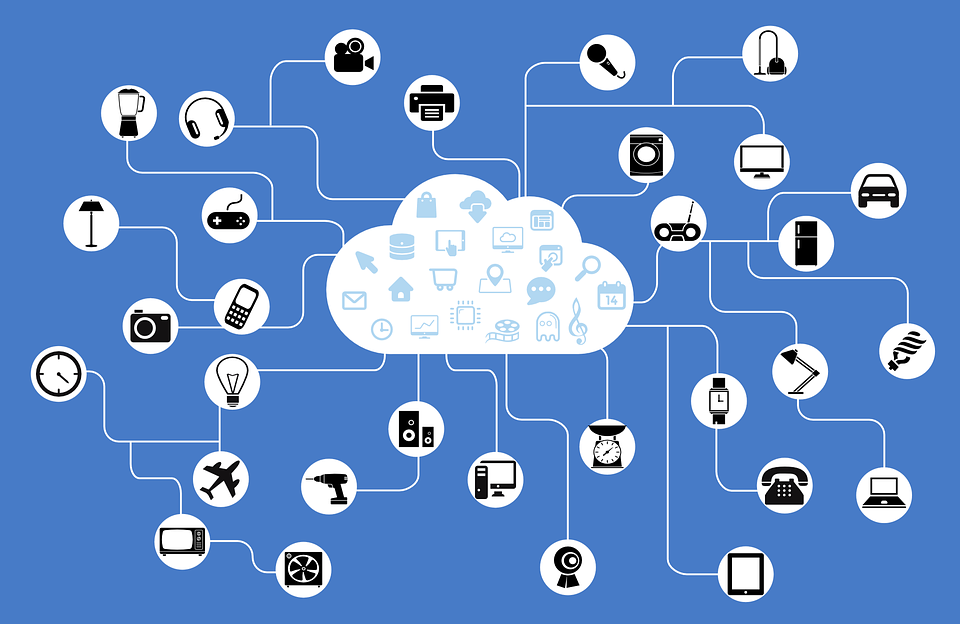
Volkswagen partnered with Microsoft to launch the “Volkswagen Automotive Cloud,” a platform that supports smart home connectivity, predictive maintenance, media streaming, and more. The initiative is expected to connect over 5 million IoT-enabled vehicles.
4. Advanced Robotics
Collaborative robots (cobots) and autonomous mobile robots (AMRs) are redefining human–machine interaction. Powered by advanced sensors and AI, they can perform delicate tasks, learn from human operators, and safely operate alongside workers.
Spotlight: Fetch Robotics help DHL improve warehouse operations
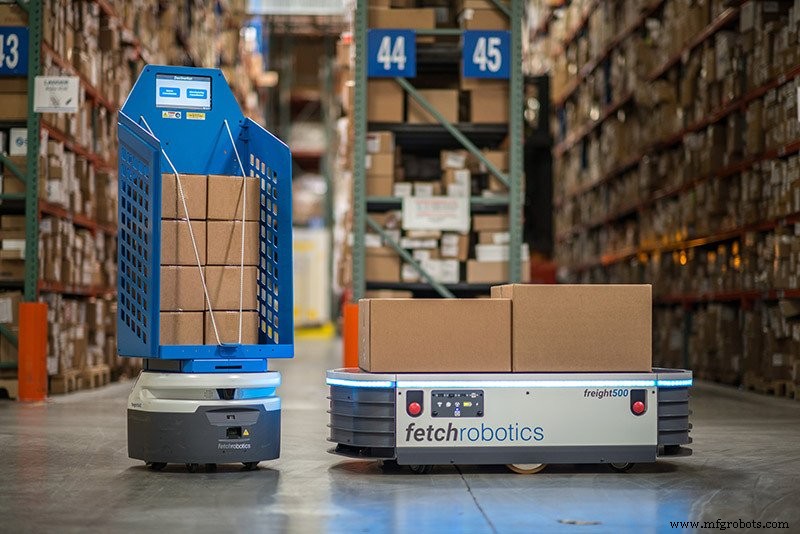
DHL’s Dutch distribution center uses Fetch AMRs to automate pick‑and‑place tasks, cutting order cycle time by up to 50% and doubling picking productivity.
5. Additive Manufacturing
3D printing, once limited to prototyping, now enables on‑demand production, tooling, and mass customisation. By storing design files in a virtual inventory, firms can produce parts closer to the point of use, reducing logistics costs and inventory overhead.
Spotlight: Fast Radius’ digital additive manufacturing solutions to enable new business models

Fast Radius’s Chicago plant was named a top smart factory by the World Economic Forum. Its proprietary platform analyzes every digital design, identifying the best manufacturing route and supporting virtual inventory for rare parts.
6. Digital Twins
Digital twins provide a live, data‑driven replica of a physical asset, allowing continuous simulation and predictive maintenance. Gartner predicts that by 2021, 50% of large industrial firms will use digital twins to monitor assets.
Spotlight: Racing to win with digital twins
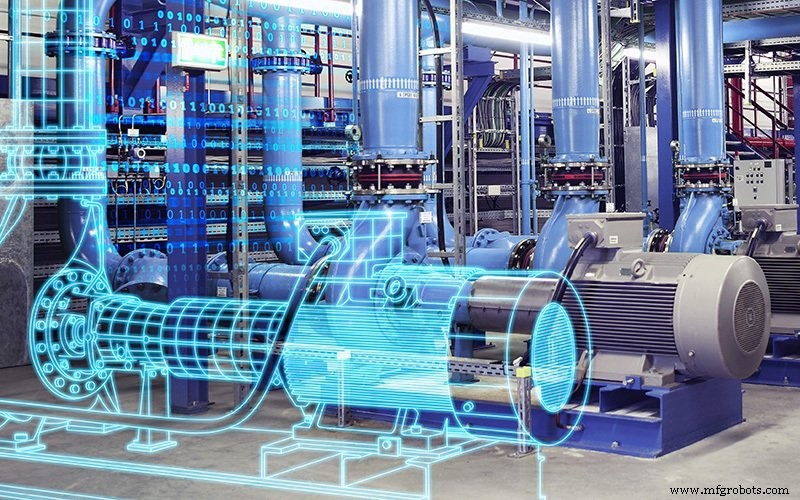
Team Penske’s partnership with Siemens delivers digital twin technology that overlays real‑time sensor data onto virtual race cars, enabling rapid design iterations and reducing testing costs.
7. Augmented Reality
AR blends digital overlays with the physical world, offering real‑time guidance for assembly, maintenance, and training. In manufacturing, AR can project schematics, troubleshooting steps, or serial numbers directly onto workpieces.
Spotlight: AR increases productivity at GE

GE’s jet‑engine plant in Cincinnati pilots AR glasses that deliver step‑by‑step instructions, training videos, and voice‑activated expert assistance. The initiative has boosted worker productivity by up to 11%.
Riding the Wave of Digital Manufacturing
The proliferation of digital technologies offers manufacturers unprecedented opportunities for flexibility, sustainability, and efficiency. By mastering Industry 4.0’s core innovations—connectivity, intelligence, and automation—companies can stay ahead in a rapidly evolving landscape.
3D printing
- 2020 Additive Manufacturing Landscape: 240 Companies Shaping Digital Manufacturing
- Harnessing Industry 4.0: Cisco’s Path to Manufacturing Excellence
- Manufacturing Analytics in Action: Driving Production Excellence at Bosch
- Building a Skilled Workforce for Industry 4.0 Success
- Debunking Manufacturing Myths: The Real Impact of Automation & Career Opportunities
- Industry 4.0: Leveraging IoT to Transform Manufacturing
- Cutting‑Edge Industry 4.0 Tech: Real‑World Innovations & Applications
- Digital Factories: Smart Manufacturing for Industry 4.0
- Censornet Secures the Future of UK Manufacturing
- Digital Manufacturing: Shaping Tomorrow's Industry