



3D Printing Boosts Coral Reef Restoration
The human footprint over time has left behind unrecognisable landscapes due to the deterioration of the environment, even causing the disappearance of various species. The problem of the deterioration of nature has a direct impact on coral reefs, which are currently of global concern due to the richness of the ecosystems they shelter.
A team of architects and marine scientists at the University of Hong Kong has developed a system of 3D printed structures to aid coral reef repopulation. The project involves the 3D fabrication of a kind of clay tile with internal structures where coral reefs can attach themselves, thus encouraging coral growth.
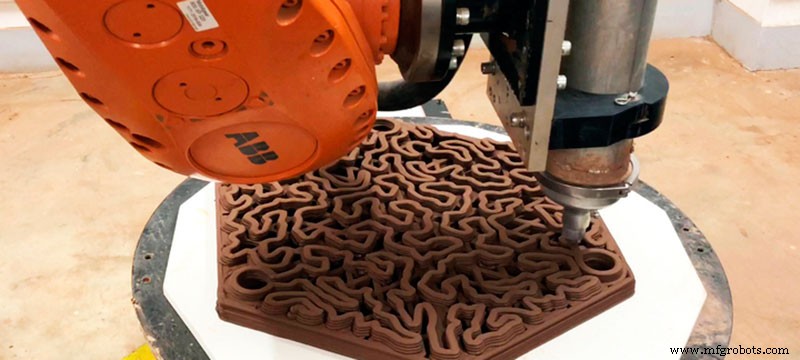
Image 1: 3D printing of tiles to repopulate coral reefs. Source: University of Hong Kong.
These tiles, thanks to their labyrinth-like internal structures, allow corals to grow strong with some protection. To do this, they must first be "seeded" with coral fragments and wait for these species to colonise other tiles.
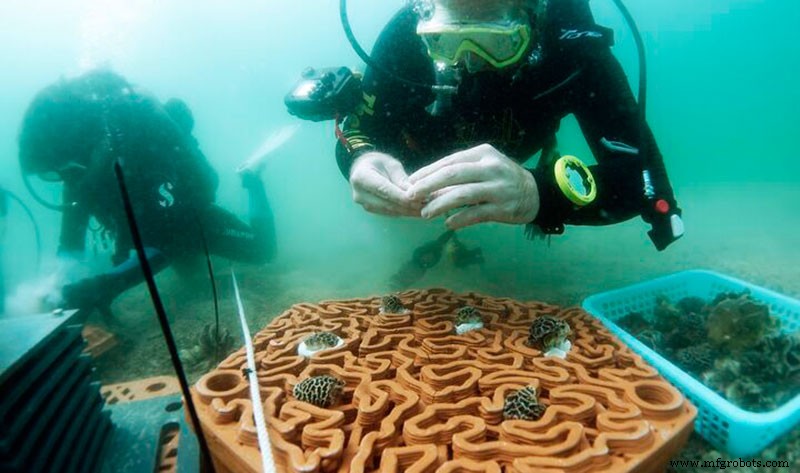
Image 2: Divers "seeding" the 3D printed structures. Source: University of Hong Kong.
Currently, the University of Hong Kong team has managed to cover an area of 40 m2 off the coast of Hong Kong and is studying the progress and effectiveness of the project, with very positive results.
The importance of sustainable materials for 3D printing
No plastic filaments or resins were used for the development of this project, but rather terracotta.
The choice of this clay-based material minimises the environmental impact due to its natural origin. Other materials such as concrete could alter the ecosystem and the surrounding water chemistry.
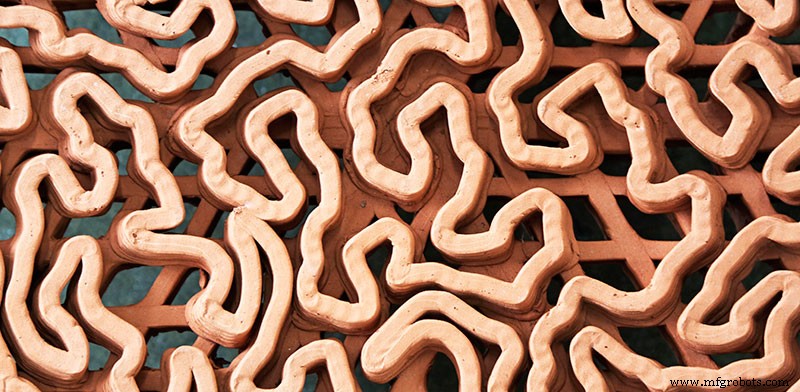
Image 3. 3D printed structure with terracotta. Source: University of Hong Kong.
Without a doubt, such initiatives and the good results obtained so far show that technology, despite contributing to ecological deterioration to some extent, can also be used as a tool to develop solutions and heal damaged ecosystems.
3D printing
- Mastering Polyjet 3D Printing: Precision, Detail, and Versatile Applications
- Bioprinting Explained: How 3D Printing Creates Living Tissues & Future Organs
- 4D Printing Explained: The Future of Adaptive, Time‑Responsive Manufacturing
- Debunking 3D Printing Myths: Three Common Misconceptions Explained
- The ABCs of 3D Printing: How Additive Manufacturing is Shaping Modern Industry
- Comparing 3D Printing and CNC Machining: Which Is Best for Your Projects
- Discover How Easy 3D Printing Is: A Beginner’s Guide
- Demystifying 3D Printing: A Clear Guide for Innovators
- Revolutionizing Jewelry Design: The Power of 3D Printing
- Revolutionizing Fashion: How 3D Printing Transforms Design & Production