



Why Metal Prototyping Falls Behind: 3 Key Challenges & How to Overcome Them

For decades, subtractive manufacturing—three‑axis mills, lathes, and CNC machines—has been the backbone of metal prototyping. These tools, while reliable, are inherently slow and labor‑intensive. In today’s fast‑paced product development environment, a 4‑12‑week lead time for a prototype can cripple a company’s competitiveness. When time is money, businesses need a faster, more reliable solution.
As an Applications Engineer who routinely visits manufacturing sites, I’ve seen firsthand how firms grapple with this bottleneck. Most companies view metal prototyping as an optional, low‑priority activity, even though the majority—almost 90%—report significant work backlogs. The result? Prototypes linger on the shop floor for weeks or months, driving customers to alternative suppliers.
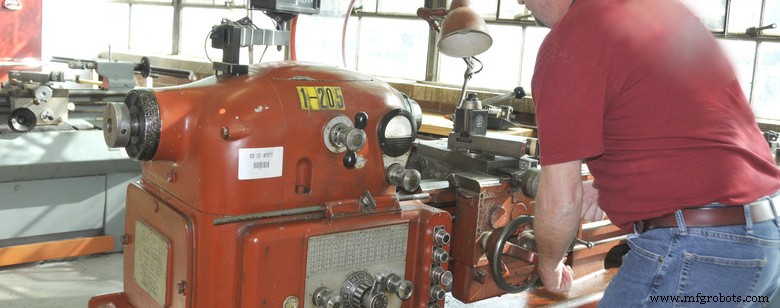
1. A Shrinking Talent Pool of Skilled Machinists
Nearly 70% of high‑school graduates in the United States now pursue higher education, leaving a smaller cohort for trade schools and machining programs. This shift, coupled with the stigma surrounding vocational training, has made it difficult for many shops to attract and retain experienced machinists. When a company cannot staff its machine shop with top talent, productivity suffers, orders are delayed, and managers are forced to deal with “fire‑fighting” rather than strategic improvement.
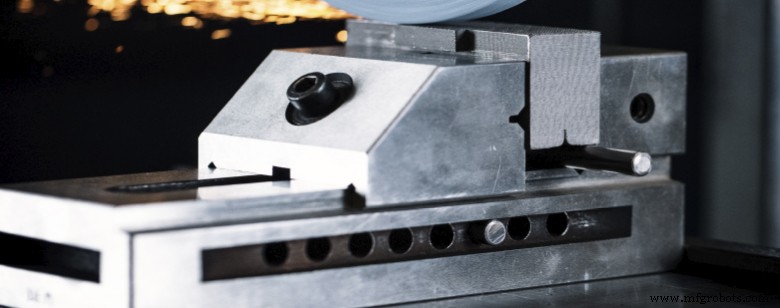
2. The Intrinsic Time‑Intensiveness of Machining
Creating a complex part from a raw block—whether wood, aluminum, or steel—requires multiple machining steps: cutting, drilling, grinding, and often assembly. Each handoff between machines adds time, cost, and risk of rework. Traditional approaches like near‑net‑shape casting can reduce steps, but they introduce their own tooling challenges and extended lead times. For engineers who need a prototype in a week, the conventional subtractive workflow simply cannot keep pace.

3. Metal Prototyping Is Often Deemed “Non‑Value‑Added”
In many facilities, the primary focus remains on production of sellable parts. This prioritization is understandable, but it leaves prototyping as a low‑priority task. When the equipment acquired for rapid prototyping is repurposed for high‑volume production, the prototype backlog swells. Customers who wait weeks for a sample are likely to seek a faster alternative, eroding the company’s reputation and market share.
“Nearly 90% of manufacturing companies have a backlog of work”
Addressing these challenges requires a strategic shift—investing in skilled labor, adopting faster manufacturing technologies, and redefining prototyping as a value‑adding activity that accelerates product launches.
3D printing
- Metal 3D Printing Today: From Prototype to Production
- Calculating ROI for Metal 3D Printers: A Practical Guide
- Rapid Prototyping Explained: Types, Processes, and Benefits
- Cold Working Explained: Techniques, Differences from Hot Working, and Key Benefits
- Fast Prototyping with 3D Printing: Revolutionizing Foundry Processes
- Prototyping Materials 101: A Small-Scale Fabricator's Guide
- Why Aluminum Fabrication Enhances Prototyping: Key Benefits for Engineers
- Rapid Prototyping Explained: Types, Processes, and Benefits
- 6 Proven Strategies to Cut CNC Prototyping Costs
- Mastering Sheet Metal Tolerances: Practical Insights for Precision Manufacturing