



How 3D Printing Gave MIT Motorsports Team a Competitive Edge in Formula SAE
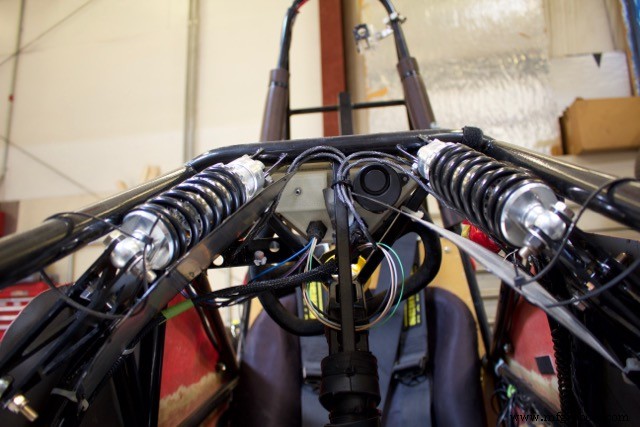
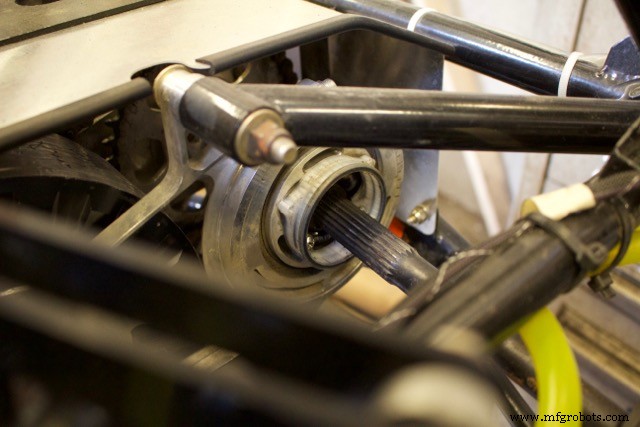
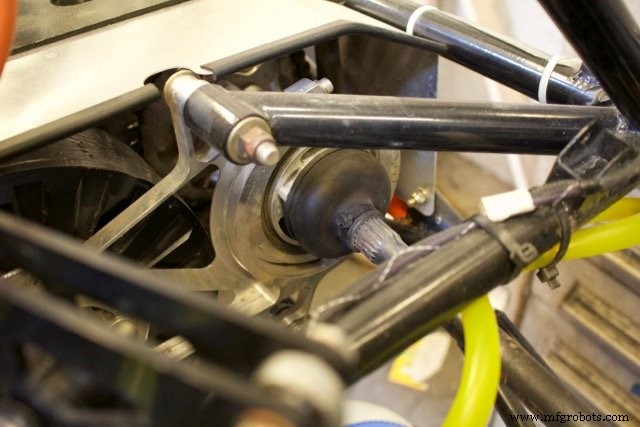
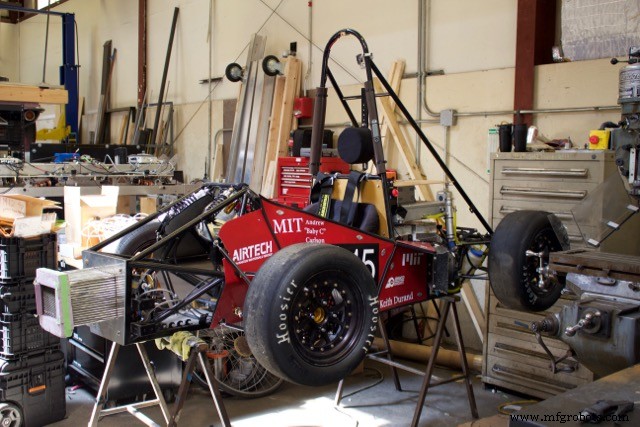
College competitions such as Formula SAE Electric Vehicle challenge undergraduate teams to iterate rapidly over a single academic year. MIT Motorsports has leveraged the Mark Two 3‑D printer to accelerate that cycle. Though the vehicle’s exterior remains conventional, the high‑strength Markforged parts provide critical internal support, freeing the team to concentrate on machining essential components and precision fixtures. The printer’s carbon‑fiber‑reinforced polymers deliver the durability required both in the shop and on the track. Formula SAE chassis are typically welded tube structures whose alignment dictates the car’s structural integrity. Precise tube orientation is labor‑intensive and error‑prone, making conventional fabrication challenging. 3‑D printing solves this by producing custom jigs that orient the tubes for free‑space welding, yielding a more reliable build. The chassis also serves as a mounting platform for electronics and other complex assemblies; designing these mounting interfaces traditionally requires costly tooling and time. The Mark Two’s rapid prototyping capability eliminates that overhead, while its material properties—high modulus and impact resistance—ensure enclosures remain rigid and protected during high‑speed operation. The team’s bespoke drivetrain incorporates a CV joint, enabling constant‑velocity power delivery across varying angles. To safeguard the joint, they 3‑D printed a fiber‑reinforced CV boot flange that provides the necessary hoop strength to clamp the boot to its housing. This lightweight, high‑strength component replaces bulky metal brackets, reducing weight without sacrificing durability. These examples illustrate the hidden advantages of 3‑D printing within the MIT Motorsports Team’s vehicle. By employing the Mark Two’s high‑strength materials, the team expanded its design bandwidth, cutting build time while maintaining performance. In just a few months, they assembled a competitive, professional‑grade Formula SAE car that performed admirably on the race track.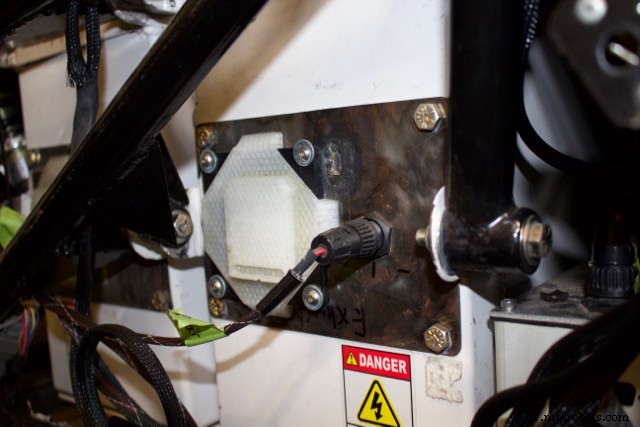
3D printing
- Coloring 3D‑Printed Parts with Wax Crayons: A Novel Post‑Processing Technique
- Revolutionizing Formula Student Race Cars with 3D‑Printed Carbon Fiber Molds and End‑Use Parts
- In‑House Production: The Fuse 1 Builds Its Own Parts
- Elevating Quality Control: 3D‑Printed Tooling Enhances Manufacturing Precision
- Designing Functional 3D‑Printed Bicycle Pannier Adapters with Kevlar CFF
- Reimagining the Go‑Kart: 3D‑Printed Carbon‑Fiber Parts for Unmatched Performance
- Webinar: Build Stronger 3D Parts with Eiger Software
- Calculating SLS 3D Printing Costs: A Step-by-Step Guide for Sinterit Lisa & Lisa Pro
- PPprint: Expert FDM 3D Printing of Polypropylene Parts
- Professional Guide: Dyeing 3D Printed Polyamide Parts for Vibrant Color and Durability