



Hyperconnectivity: Its Daily Impact and Practical Benefits
New times, new terms. Hyperconnectivity is here to stay. Small gestures such as projecting the photos of the mobile on the television are part of hyperconnectivity. Do you want to know in what it consists of and how you can use it in your factories? Let’s see it!
What is hyperconnectivity?
Hyperconnectivity is a term that is currently used to define the connectivity that exists in digital environments and the interaction between information systems, data and devices, all of them related to each other through the internet.
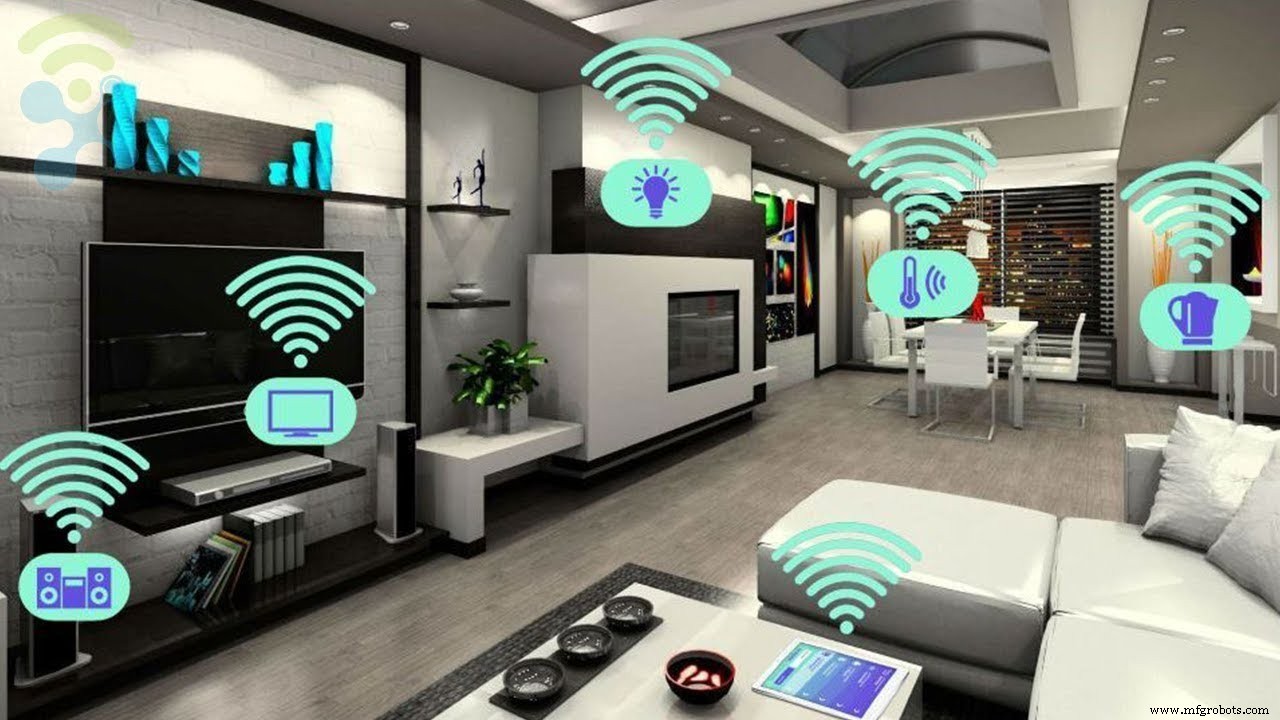
In our daily lives we have examples of hyperconnectivity, such as being able to control from the mobile, the television, the air conditioning or the washing machine. Everything indicates that, in the not too distant future, this hyperconnectivity will increase, both in our personal environment and in the company.
With the advancement of technologies, new ways of communicating, working and enjoying free time are being developed. Advances in mobile phones, browsers, voice assistants or the IoT (internet of things) are just some of the examples related to hyperconnectivity.
In addition to that, cities are increasingly interconnected and this is how the term smart city appears. In Spain, for example, there are already smart city models that, through hyperconnectivity, can save water or implement smart parking solutions.
Hiperconnectivity in the industry
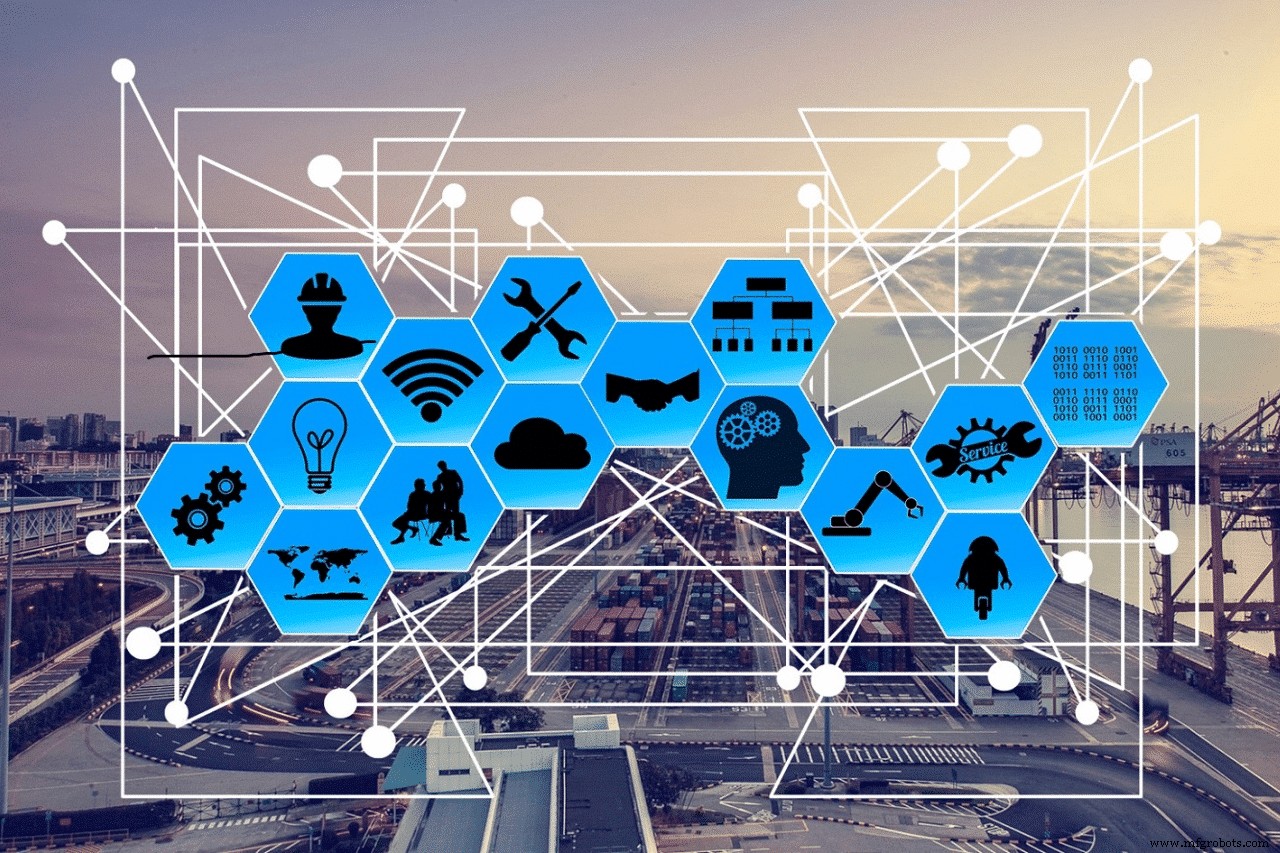
Similarly, in the industrial sector, the systems and devices that we use in our daily lives are being used to increase productivity and incorporate continuous improvement tools. We can include hyperconnectivity, too, in the concept of Industry 4.0 that we talk about so much. It is necessary for companies to implement a higher level of connectivity between their processes, both those carried out inside and outside the company. In this way, the means of production will be able to interact, inside the factory, but also along the product value chain: customers, suppliers, etc.
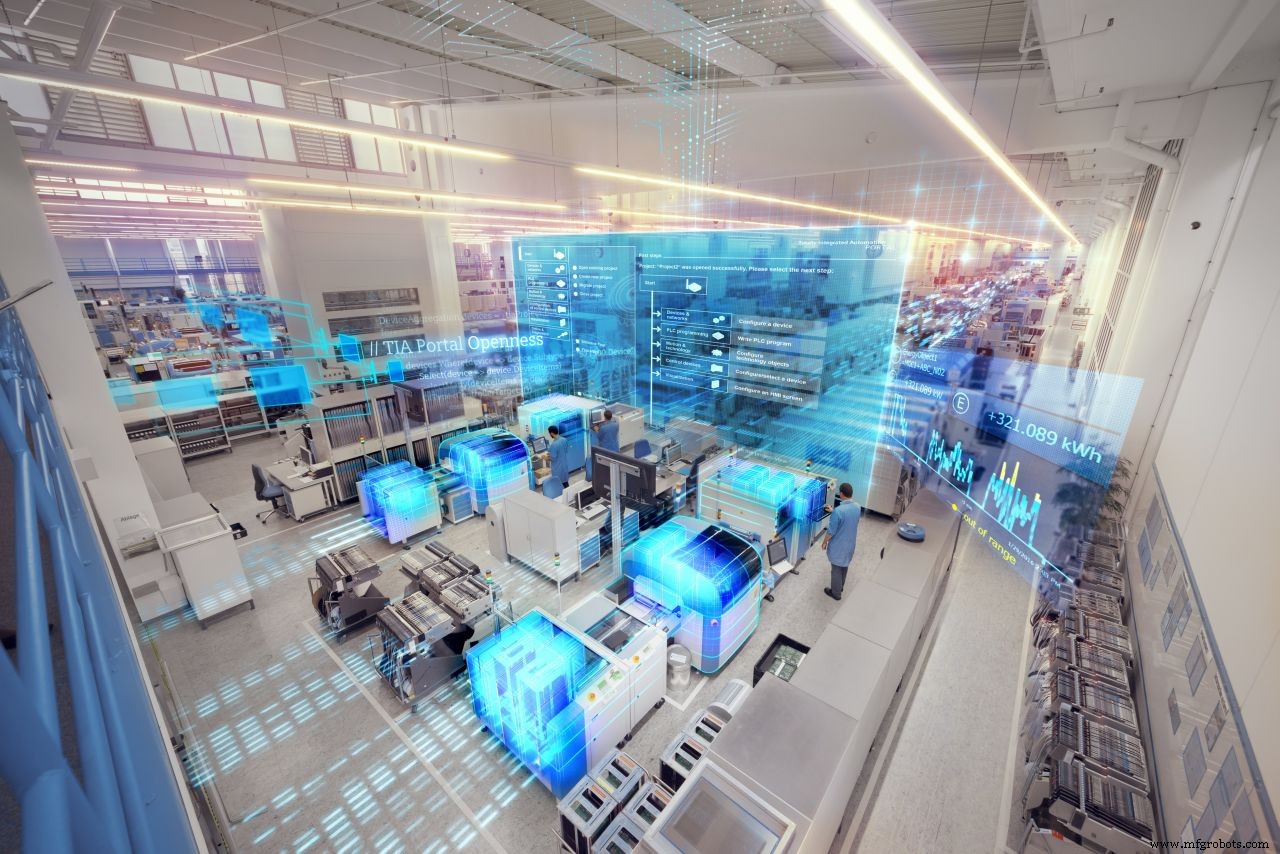
In addition to the production chain and the productive sector, hyperconnectivity also changes the way companies work. Cloud computing is an example of more flexible, dynamic and connected work. It is also important to remember that it is necessary to provide security to all these hyperconnected processes, which is known as cybersecurity, allows these processes related to information technology and connectivity to be carried out safely.
What are the benefits of implementing hyperconnectivity in a company?
Hyperconnectivity will bring many benefits to industries and production processes. Above all, it will be useful to get to know the customer better. It will allow the client to “accompany” products completely adapted to their needs in the production process. Hyperconnectivity is not an end in itself, but rather a means to gain competitiveness. Here are some of these benefits:
- Interconnecting the entire value chain of a product will increase the trust that is transmitted to customers and also to employees and suppliers.
- It allows us to know process data at all times, it means that plant processes are known in real time. The more data are known, the more possibilities there are to take decisions and detect opportunities for improvement.
- Being connected also allows us to detect changes, in supply and demand, and help us decide, for example, when is the best time to bring a new product to market.
As you can see, the forecasts suggest that we will soon have a hyper-connected world since not only things are connected to each other but also, citizens, companies and even cities are. People are already used to being always connected and it is expected that companies will soon be. Of course, we recommend you to be alert to the new challenges and opportunities that it offers us.
Do you want to apply Industry 4.0 in any of your Projects? Contact us!
Realted posts:
Industry 4.0 advantages in companies
Industry 4.0 What does it involve?
Industry 4.0 application in different sectors
Tutorial to create your own VPN
Related Porjects:
Projects / Smart Factories
Sensorization for remote process monitoring
Automatic cuvette cleaning system
Vines pruning robots
Automation Control System
- Electrical Grounding Explained: Safeguarding Systems from Arcing and Fires
- How a Car Radiator Works: Inside the Cooling System
- Water Damage to Electronics: How It Happens and How to Protect Your Devices
- Boost Manufacturing Efficiency: The Strategic Advantages of Pick‑and‑Place Automation
- Understanding Tow Spreading Techniques in Composite Manufacturing
- Inside Netflix’s Recommendation Engine: How the Algorithm Curates Your Watchlist
- Enhancing Customer Engagement Through Knowledge Management: Proven Strategies
- How a 3D Pen Works: From Filament to Finished Model
- Impact of Industry 4.0 on CNC Machining: Opportunities & Challenges
- Wire EDM Explained: How It Works and Its Industrial Applications