



Low‑Pass Filters: Principles, Designs, and Practical Applications
A low‑pass filter selectively allows low‑frequency signals to pass while attenuating higher frequencies. Two fundamental implementations—inductive and capacitive—form the basis of most passive filter circuits.
Inductive Low‑Pass Filter
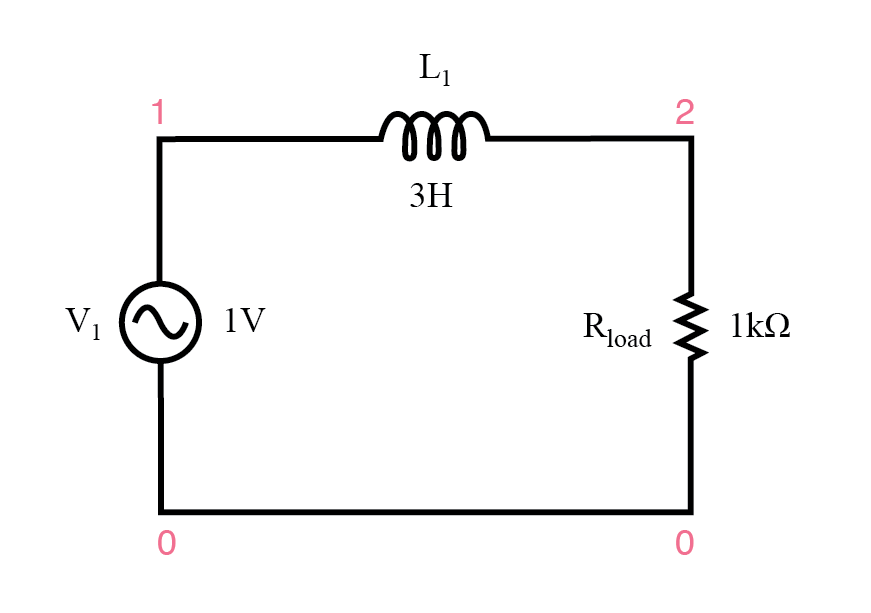
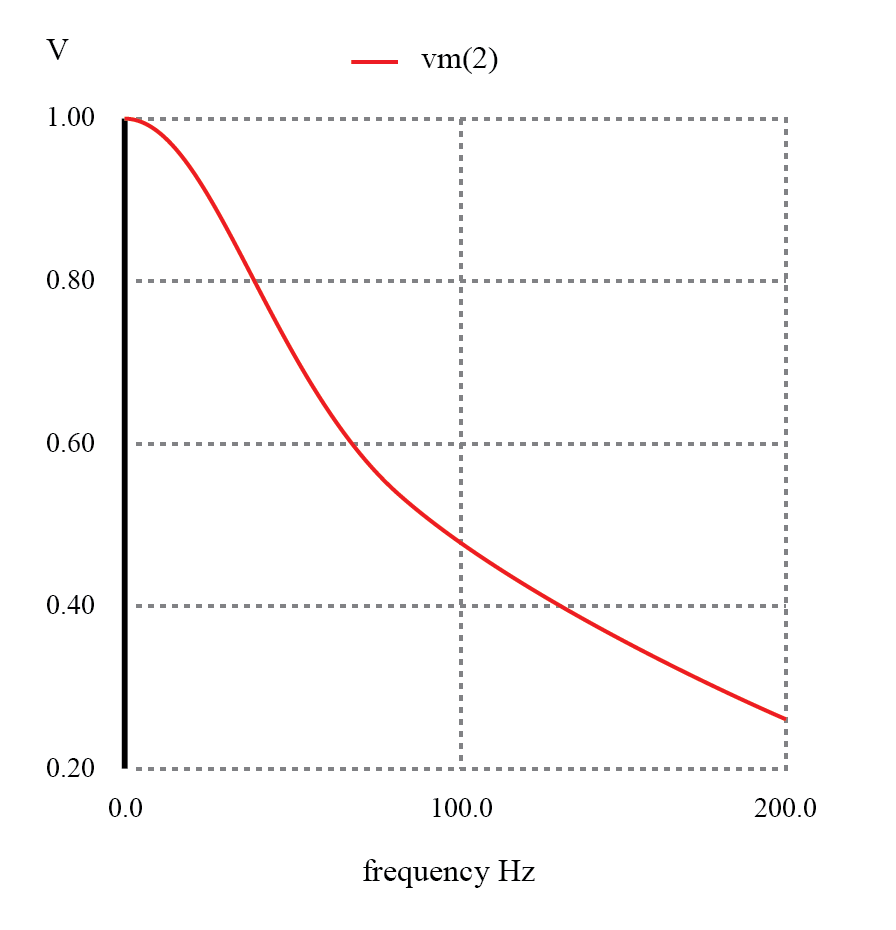
The inductor’s impedance rises with frequency, presenting a high series impedance that blocks high‑frequency components from reaching the load. A SPICE simulation illustrates this behavior:
inductive lowpass filter
 v1 1 0 ac 1 sin l1 1 2 3
 rload 2 0 1k
 .ac lin 20 1 200
 .plot ac v(2)
 .end
Capacitive Low‑Pass Filter
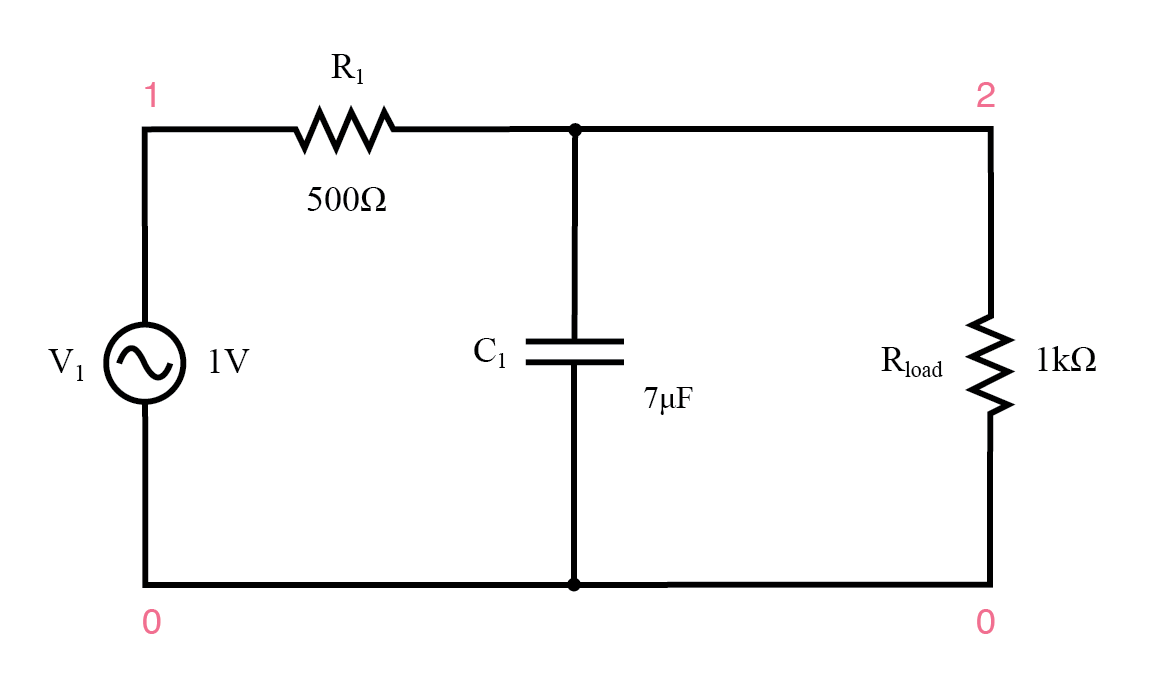
The capacitor’s impedance falls with frequency; when placed in parallel with the load, it short‑circuits high‑frequency signals, reducing the voltage across the series resistor R1. A SPICE simulation demonstrates this:
capacitive lowpass filter
 v1 1 0 ac 1 sin
 r1 1 2 500
 c1 2 0 7u
 rload 2 0 1k
 .ac lin 20 30 150
 .plot ac v(2)
 .end
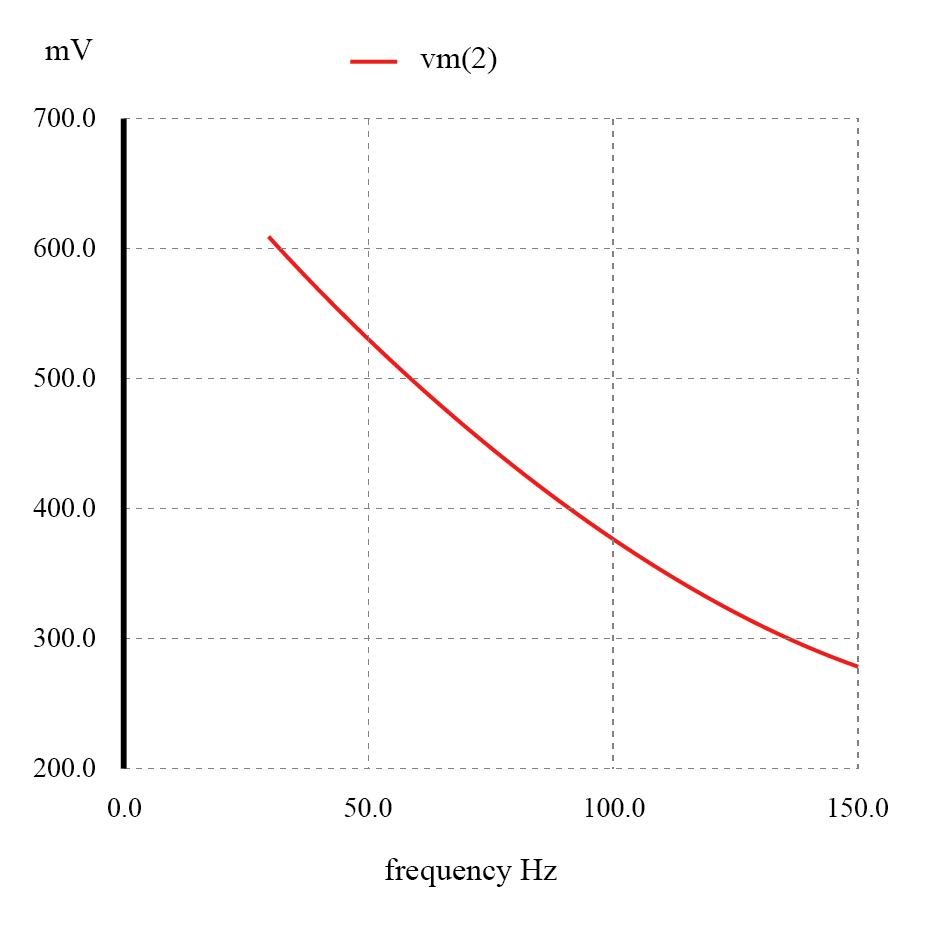
While the inductive filter requires only a single component, the capacitive version adds a resistor but offers superior predictability. Capacitors are nearly lossless reactive elements, exhibit minimal resistive dissipation, and couple less with neighboring circuitry. These traits make them the preferred choice for most signal‑processing applications.
In power‑supply filtering, inductors are often chosen because they can provide low output resistance without adding series resistance—critical for maintaining a clean DC output. Conversely, capacitive filters are favored when weight, size, and cost are paramount, and a small series resistance can be tolerated.
Cutoff Frequency
All low‑pass filters are characterized by a cutoff frequency (fc)—the point where the output voltage drops to 70.7% of the input. For a simple RC low‑pass filter, this is given by the well‑known formula:
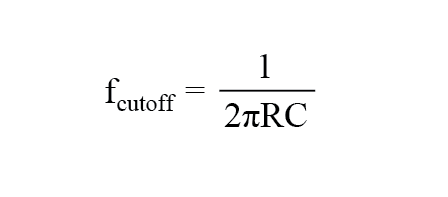
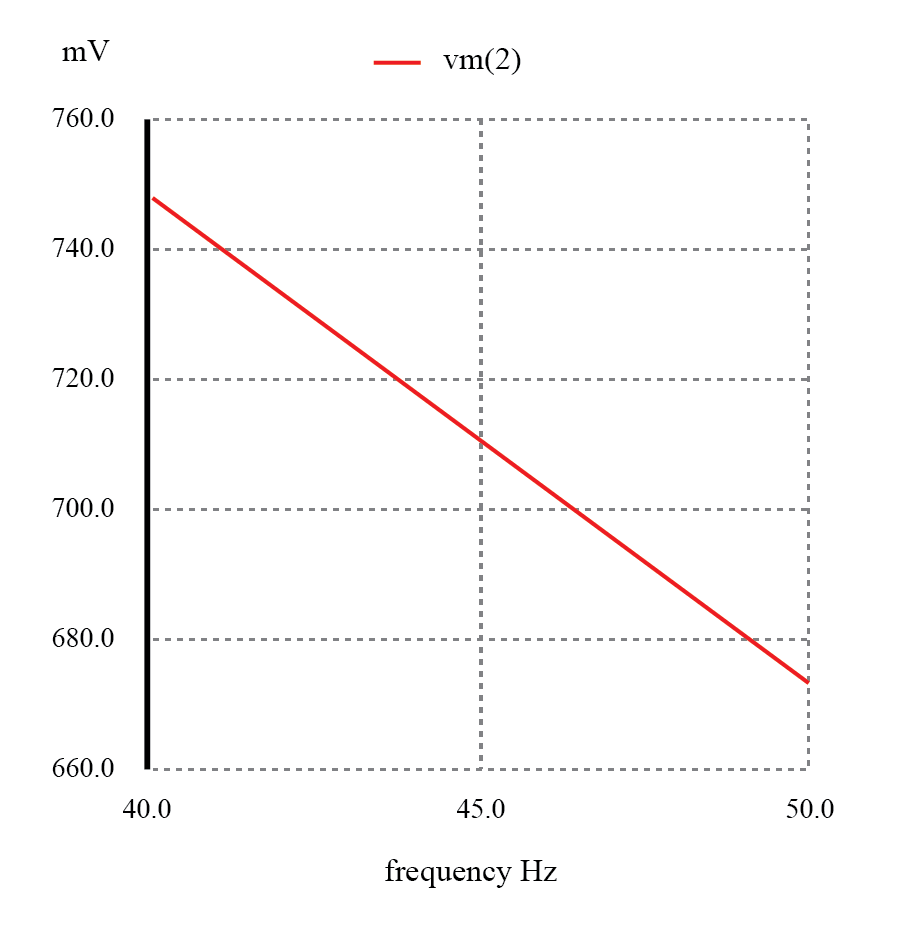
Using the values from the earlier simulation (R = 500 Ω, C = 7 µF), fc calculates to 45.473 Hz. However, the presence of the 1 kΩ load shifts the practical response, underscoring the importance of accounting for load impedance in real‑world designs.
Removing the load in a new SPICE run restores the expected 70.7% point at 45.473 Hz:
capacitive lowpass filter
 v1 1 0 ac 1 sin
 r1 1 2 500
 c1 2 0 7u
 * no load resistor
 .ac lin 20 40 50
 .plot ac v(2)
 .end
Application of Low‑Pass Filters
Low‑pass filters are indispensable for suppressing high‑frequency noise in sensitive circuits. For example, stray capacitance and mutual inductance can couple AC noise onto a DC power line, degrading performance:
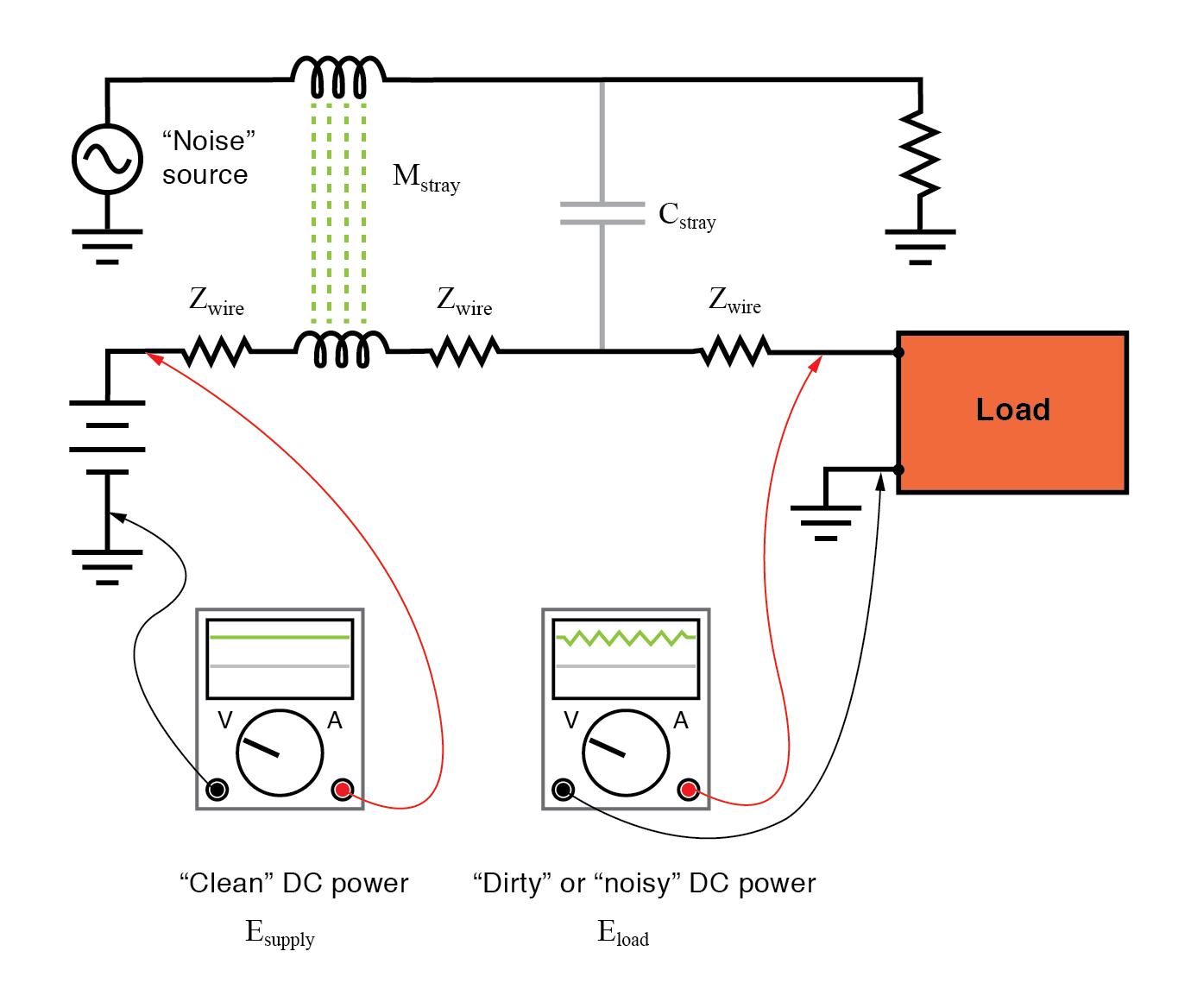
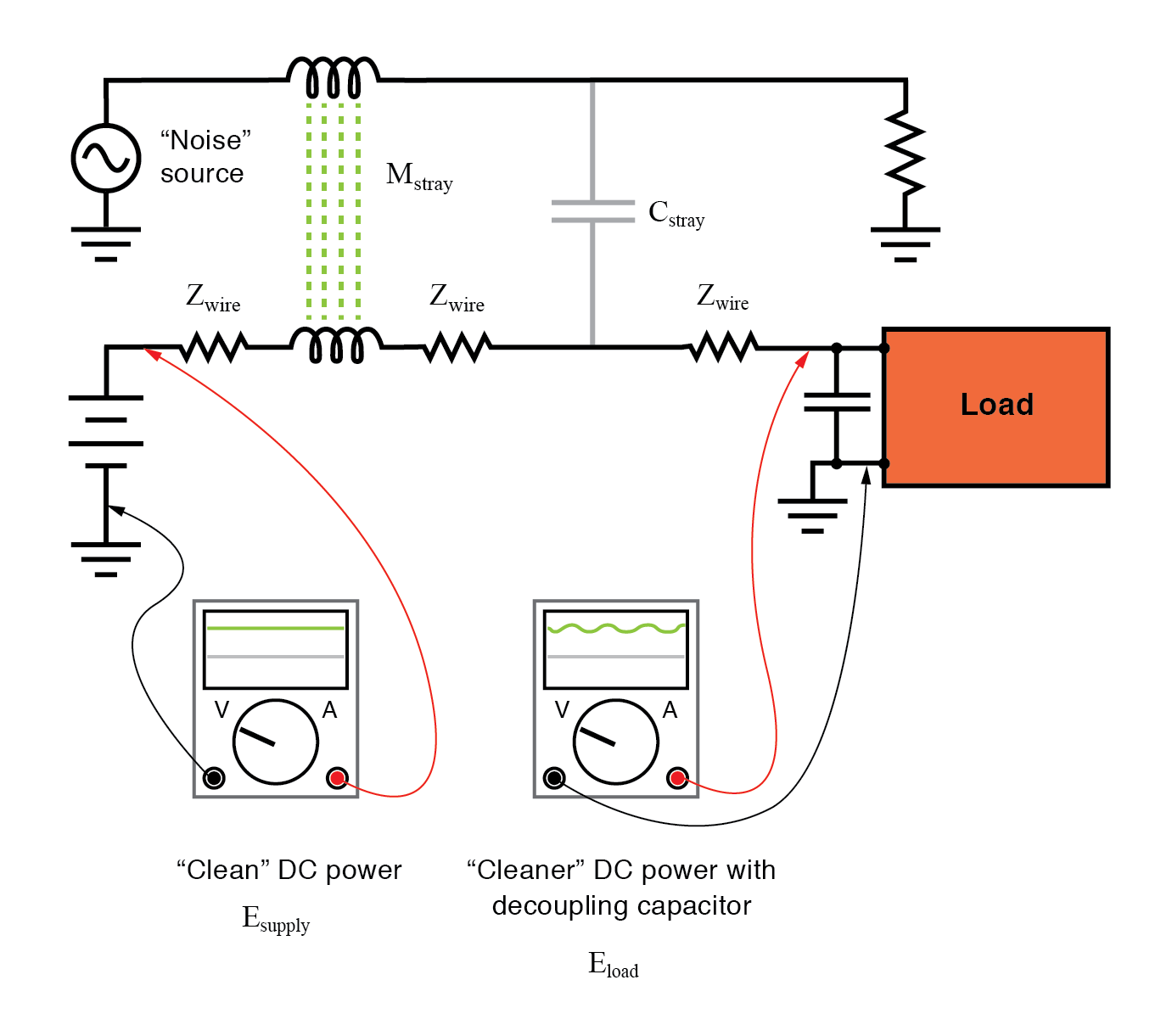
By placing a low‑pass filter—or, more commonly, a decoupling capacitor—directly across the load, the high‑frequency components are shorted out, preserving a clean DC voltage. Decoupling capacitors typically range from 0.1 µF upward, balanced between capacitance value, size, and cost.
Review
- A low‑pass filter permits low‑frequency signals while attenuating higher frequencies.
- Inductive filters use a series inductor; capacitive filters use a series resistor and a shunt capacitor.
- The cutoff frequency is where the output equals 70.7% of the input; above this, attenuation increases.
Related Worksheets
- Active Filters Worksheet
- Passive Filter Circuits Worksheet
Industrial Technology
- Understanding Filter Circuits: From Audio to Power Conditioning
- High‑Pass Filters: Design, Function, and Practical Applications
- Band‑Pass Filters: Design, Implementation, and Practical Tips
- Band‑Stop Filters: Design, Twin‑T Implementation, and Notch Frequency Analysis
- Resonant Filters: Designing Band‑Pass and Band‑Stop Circuits with LC Resonance
- Ceramic Filters for Molten Metal Casting: Design, Production, and Market Outlook
- Schaffner Launches Advanced FN 9262/9266 RFI Filters with IEC C14 PEMs for Medical & Consumer Applications
- Why Prefilling Fuel Filters Damages Equipment & How to Avoid It
- A Complete Guide to Filter Types in Signal Processing
- Key Factors in Choosing the Right Compressed Air Filter