



Internet of Robotic Things: The Future of Integrated IoT & Robotics
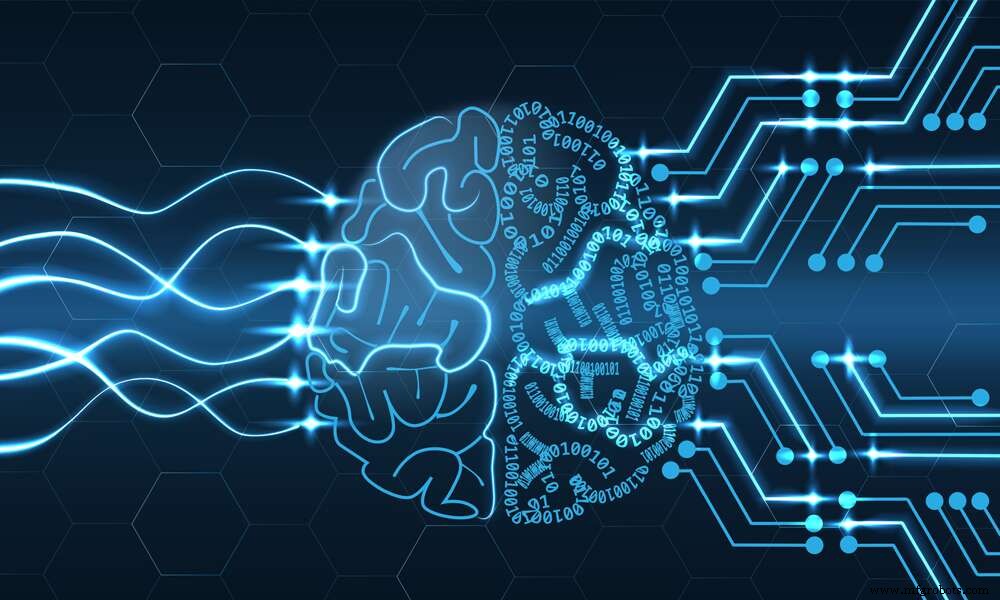
Though many people often think about Internet of Things (IoT) and robotics technology as separate fields, these two niches seem to be growing simultaneously as we find new ways to engineer each one.
The IoT and robotics communities are coming together to create The Internet of Robotic Things (IoRT). The IoRT is a concept in which intelligent devices can monitor the events happening around them, fuse their sensor data, make use of local and distributed intelligence to decide on courses of action and then behave to manipulate or control objects in the physical world.
The IoT is a network of things that are connected to the internet, including IoT devices and IoT-enabled physical assets ranging from consumer devices to sensor-equipped connected technology. These items are an essential driver for customer-facing innovation, data-driven optimization, new applications, digital transformation, business models and revenue streams across all sectors.
IoT devices are usually designed to handle specific tasks, while robots need to react to unexpected conditions. Artificial intelligence and machine learning help these robots deal with unexpected conditions that arise.

Similarities and Differences
Both IoT devices and robots depend on sensors to understand the environment around them, quickly process data and determine how to respond. Robots are able to handle anticipated situations, while most IoT applications can only handle well-defined tasks.
The main difference between the IoT and the robotics community is that robots take real action and are in the physical world. They do something. Focus has been shifting from the cyber component of IoT to the physical aspect, and that’s where the efforts are combining.
Why IoT and Robotics Tech Are Evolving Together
So far, the robotics and IoT communities have been driven by varying yet highly related objectives. IoT focuses on supporting services for pervasive sensing, monitoring and tracking, while the robotic communities focus on production action, interaction and autonomous behavior. A strong value would be added by combining the two and creating an Internet of Robotic Things.
The concept where sensor data coming from a range of sources are fused, processed with local and distributed intelligence and used to control and manipulate objects in the physical world is how the term “Internet of Robotic Things” was created. A wider situational awareness is given to robots from the IoT sensor and data analytics technologies, which leads to better task execution.
IoRT has three intelligent components:
- First, the robot can sense that it has embedded monitoring capabilities and can get sensor data from other sources.
- Second, it can analyze data from the event it monitors, which means there’s edge computing involved. Edge computing is where data is processed and analyzed locally instead of in the cloud, and it eliminates the need to transmit a wealth of data to the cloud.
- Third, because of the first two components, the robot can determine which action to take and then take that action. As a result, the robot can control or manipulate a physical object, and if it was designed to, it can move in the physical world. The bigger idea for now is collaborations between machine / machine and between man / machine. These interactions could move toward predictive maintenance and entirely new services.
Work Force Impact
Integrating artificial intelligence into the workforce isn’t a brand new thing, but with the rise in labor prices, manufacturers are trying to reduce costs without cutting production. They can do so by putting robots in settings to work closely with humans, which can either boost productivity with the same number of workers or replace workers altogether.
Now, IoT applications have the ability for stationary and mobile applications. Some stick to their program while others learn and evolve. Collaborative robots have more sensors than their counterparts on the assembly line and offer more capabilities for companies.
With the rise of robotics technology and industry spending, it’s a great opportunity for those who are interested in artificial intelligence and robotics. A career in robotics technology offers a wide variety of options, and a number of jobs fall under this category.
This type of field can offer jobs like service and repair as well as designing and creating the interfaces and systems. It’s a multi-disciplinary field with growing opportunity as the industry expands. Many perceive benefits of this type of work to be in the distant future but are unaware of how much robots already play a role in society and how fast they’re evolving.
One of the main technology components in the manufacturing industry concerns robotics. In fact, 60% of G2000 manufacturers will be working beside automated assistance technologies like robotics, 3D printing and artificial intelligence. According to the International Federation of Robots and Loup Ventures’ new report, robotic spending will climb to $13 billion in 2025.
MarketsandMarkets released a report in 2016 predicting that the IoRT market will be worth approximately $21.44 billion by 2022. The compound annual growth rate for the IoRT market would be 29.7% until 2022. These changes are disrupting businesses, governments and consumers and transforming how they interact with the world.
In the next five years, companies will spend almost $5 trillion on the IoT, showing that we can all expect a rise in the combination of these technologies and the resulting capabilities in a number of industries.
Industrial Technology
- How IoT is Driving the Next Generation of Manufacturing
- Hyperconvergence and IoT: Unlocking Edge Computing Power (Part 1)
- IoT: Mastering the Data Surge for Business Transformation
- How IIoT & Industrial Robotics Drive Factory Transformation
- IoT: Revolutionizing Modern Manufacturing
- Harnessing Industrial IoT for Growth: Beyond Cost Savings
- Revolutionizing Fleet Management: AI & IoT Integration for Smarter Operations
- Unlocking Supply Chain Visibility with IoT
- Harnessing IoT to Transform Logistics: Boosting Efficiency and Asset Management
- The Internet of Robotic Things: How IoT and Robotics Are Revolutionizing Each Other