



Build Your Own RF Detector: A Simple Guide to Spotting Hidden Radio Signals
A DIY RF detector is an electronic device that can detect RF signal waves either from a wireless or wired transmission cable. An RF detector is important because it can detect listening devices, bugs, and other surveillance tools in a room.
However, it has other uses and levels of advancement. You might have an anti-spy RF detector circuit or a simple low-power radiofrequency technology to spot objects enclosed inside a wall cavity.
While you can buy these products from online stores, they usually cost over $200. This article will show you how to save money by building an affordable, DIY RF detector.
1. Things You Can Do with a DIY RF Detector
Building an electronic bug detector might not help you become a spy, but you’ll know when someone is secretly trying to tape you. Having an anti-spy detector or GPS detector is important if you travel a lot and spend time in hotel rooms.
In addition to its use as a surveillance device, you can do this with RF detectors:
- Tactical entry or assault
- As a baby monitor to prevent Sudden Infant Death Syndrome (SIDS)
- Presence-of-life detectors to locate people buried in a rubble
- Detecting land mines
- Automotive backup radar
- Fluid-level sensing
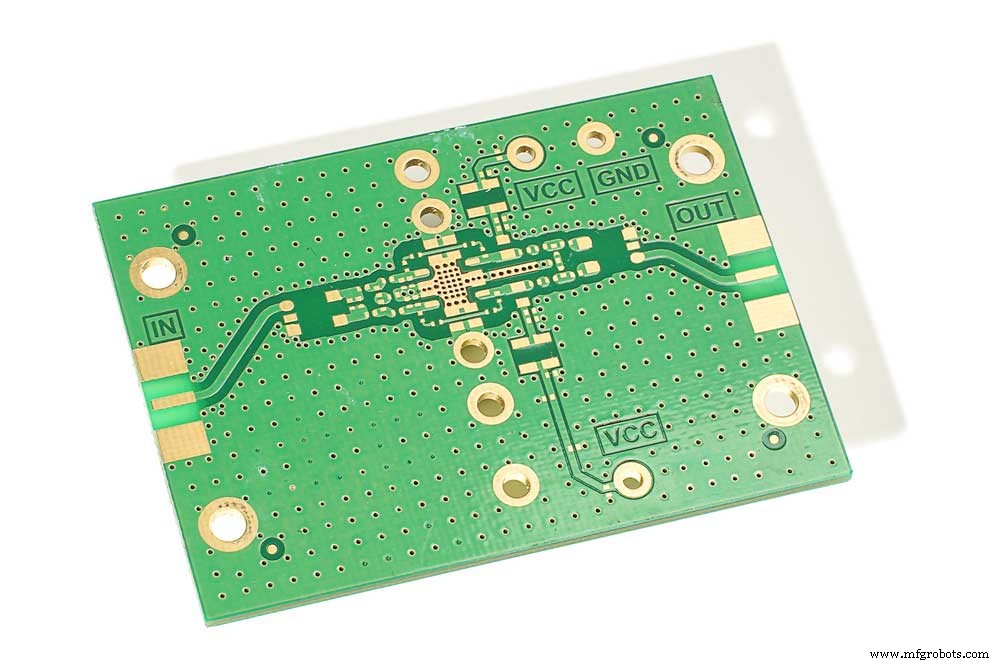
RF amplifier PCB isolated on a white background
While the anti-spy detector will prevent someone from listening in on your conversations, it has other practical purposes in ordinary, everyday life. For instance, it serves as a radio frequency wall imager and cell phone wall scanner to locate nails, pipes, and framing studs in construction work.
“Do-it-yourself” homeowners, electricians, and carpenters use this product as a stud detector to find where structural damage may be lurking behind wallboards. Therefore, technicians use RF detectors to discover out of sight problems and vulnerabilities caused by punctured phone wires, video wires, and alarm systems.
In other words, the effectiveness depends on the frequency range. The simplest RF Signal Scanner Device Detector usually has a meter to show you the strength of its receiving signals. Or a simple interface like a bug Detector LED to light up when they identify RF signals.
2. How to Build a DIY RF Detector
Man building DIY project
Building an RF signal detector is simple. The products needed are cheap and can easily be acquired.
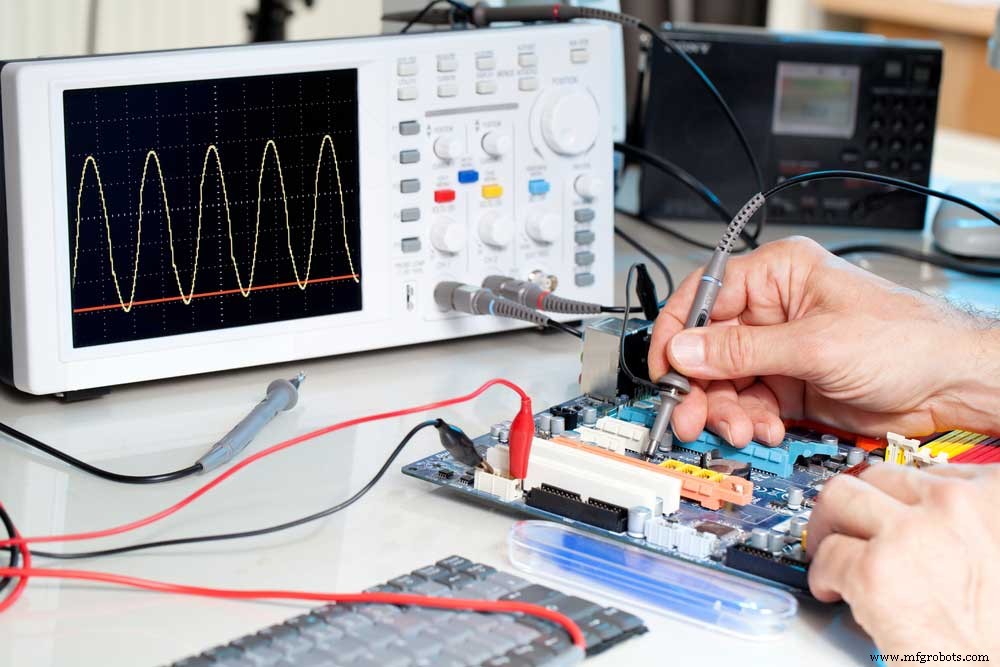
Technician workspace
These are the materials and tools needed:
- Screws
- Soldering iron
- Glue
- Cotton swab
- Toothpick or stick
- Epoxy
- BNC connector
- 2 x 41-AWG enameled copper wire
- Brass tube with a 0.09-inch diameter
- Wire strippers
- RF voltmeter
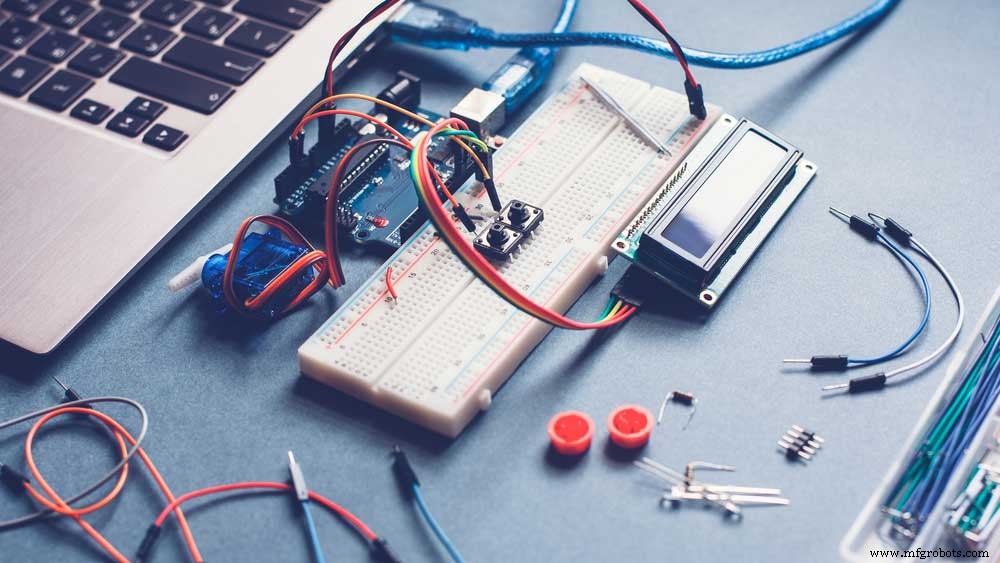
Homemade RF Circuits parts
Practical step-by-step process
Prepare the workspace:
Place the materials on a table with ample space and within arms reach.
Strip the main cable:
Proceed carefully, so you don’t damage the enameled copper. Use the wire strippers to remove and strip the ends of the AWG wire. Consequently, you should have cables or electric wires with two ends without coating, with their enamel copper exposed.
Make a coil:
Now you have the bits of copper wire exposed, use it to make a coil of about 19 turns around one end of the toothpick or stick.
Apply the glue:
Before applying the glue to the coil’s end, ensure that it’s securely fastened to the stick or toothpick. The glue must stick permanently to choose the right glue for this purpose because not all can work effectively with any type of material. Incorporate the brass tube by running the other end of the wire through it. The brass tube should have a 0.09-inch diameter. Use the wire strippers to strip another 0.5-inch wire starting from the end of the tube.
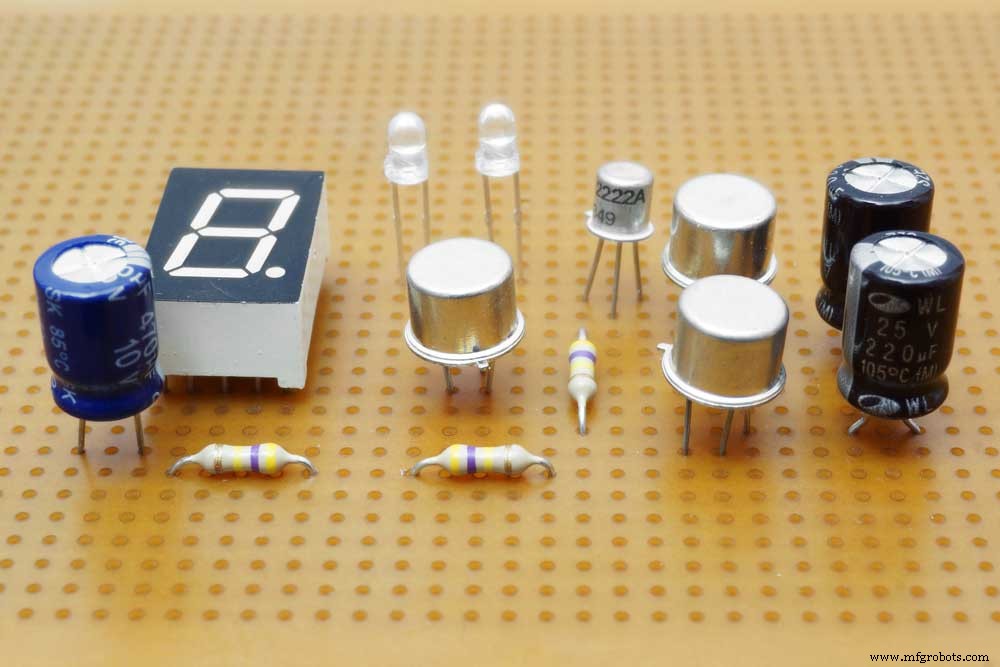
DIY Tools and Circuit Idea preparation
Make the connection:
There are now two wires from the stripped wire. Solder one of the 41-AWG copper wires to the positive (+) end of the BNC connector and the other to the negative (-) contact of the BNC connector.
Use the epoxy to attach the BNC connector to the brass tube.
Apply glue and wait for it to dry:
Apply the right amount of glue to the cotton swab. Rub it on either side of the coiled wire around the neck of the toothpick. Make sure the copper wires adhere sufficiently to the sides of the brass tube. Wait patiently for it to dry.
Incorporate the RF voltmeter:
Attach the BNC connector to the RF voltmeter by screwing the BNC connector to the corresponding female BNC connector found on the RF voltmeter. Then turn on the voltmeter. Although a multimeter can be used for a similar purpose, it is a more challenging setup.
Test the device:
This is the moment of truth. Move the brass tube around to see how it operates. If there is an increase in the number displayed on the voltmeter, then the device has identified another frequency from a possible bug or electronic listening device.
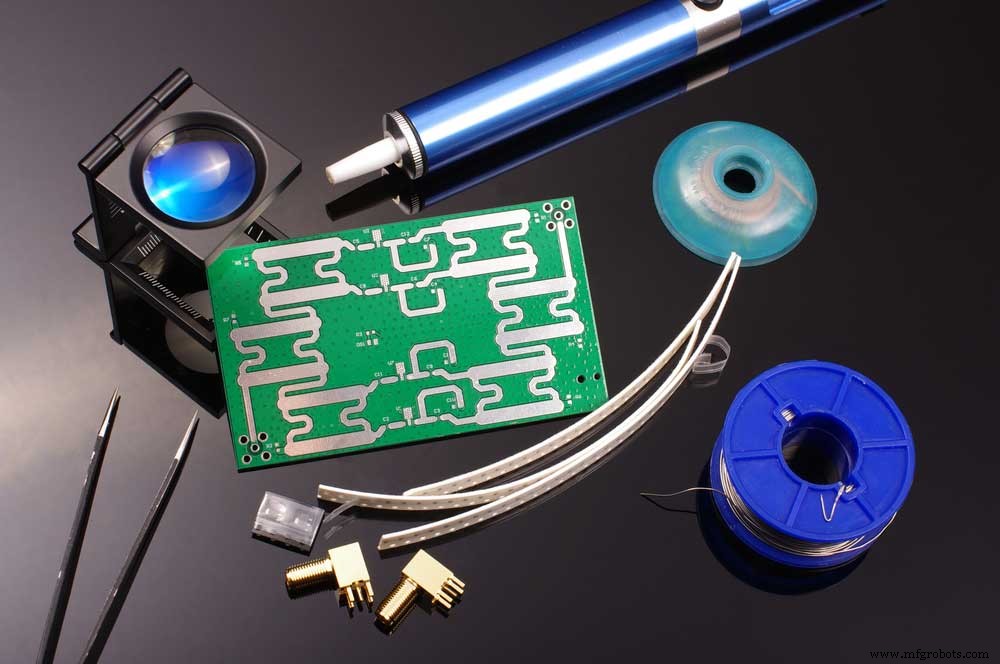
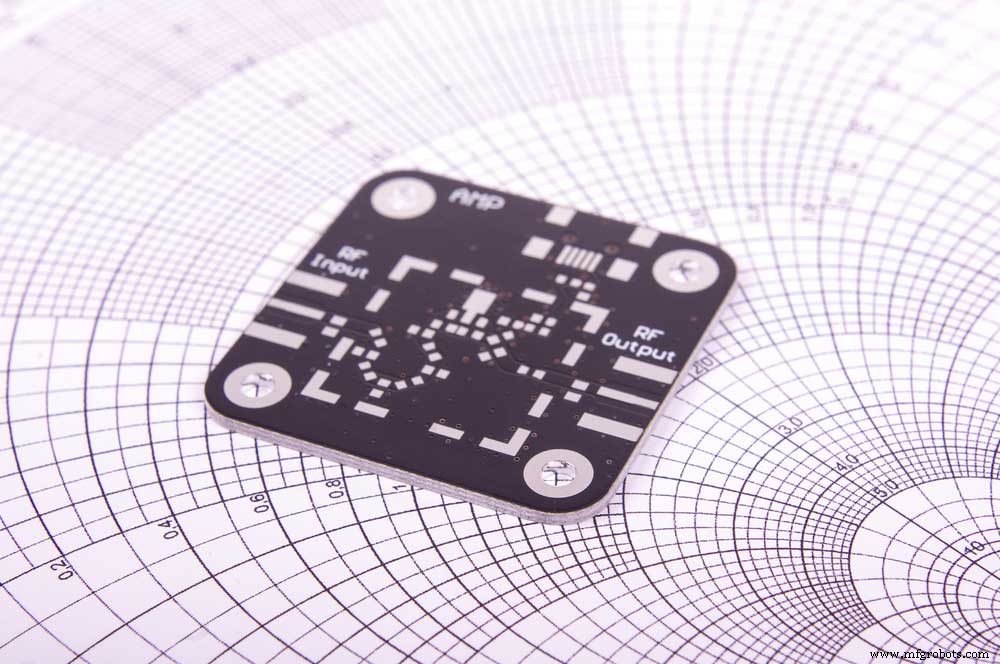
Unassembled Radiofrequency printed board
3. The Common Mistakes Encountered When Building DIY RF Detectors and How To Avoid Them
A hand holding tweezers on an electric circuit
There are several ways to build a homemade RF detector. These are some of the common mistakes to avoid when building a homegrown device.
Mistake 1: Not Waiting for the Glue to Completely Dry
Impatience during the building process is counterproductive. Especially when applying glue when connecting the BNC connector to the brass tube.
If you don’t give it enough time to dry, the glue can disrupt the proper functioning of the RF device you are trying to build.

Building complete circuit diagram
Mistake 2: Not understanding the Range of Signals Limitations of a Homemade Device
This simple, low-cost phone RF signal detector will allow you to identify unexpected signals in a room or office. However, devices from radio frequency signals You might need to have more
Conclusion
An RF detector has several applications. The most important is detecting the presence of listening devices to make sure no one is surveilling or invading your privacy. You can build an RF detector by using the affordable tools and materials listed in this article. Just follow the steps specified, and you’ll have a homemade device easily.
Industrial Technology
- Build a Reliable Current Mirror Circuit: Step‑by‑Step Guide
- Build an Automated Warehouse: A Step-by-Step Guide to Modernizing Operations
- DIY LED Lamp Kit: Build an Energy‑Efficient, Eco‑Friendly Light
- Build Your Own LED Flashlight: Step‑by‑Step Circuit Guide
- Step-by-Step Guide to Building a Reliable Radio Repeater
- Create a Reliable Continuity Tester Circuit – Easy DIY Guide
- Building a Crystal Oscillator Circuit: A Practical Guide for Engineers
- DIY LED Heat Sink: Build a Professional-Grade Cooling Solution
- Build Your Own Raspberry Pi Robot: A Beginner‑Friendly Guide
- Build Your Own Low-Cost Thermal Imaging Camera: A DIY Guide