



Resistor Applications: Essential Uses & Types in Electronics
About Uses of Resistor, One of the most important electronic components is a resistor. You’ll find it in almost all electronic circuits. Primarily, it is crucial in the regulation of current flow. In the article, we’ll clarify all about the different types of resistors. Take a look.
Resistor Definition and Symbol
A resistor is an electrical component that regulates the current flow. The unit for measuring the unit of resistance is Ohms. Also, you can calculate resistance given that you have the current and voltage using the formula: V=IR.
Whereby,
V= The potential difference,
I= Current,
R= Resistance value/ resistor value.
First, there is the international IEC resistor symbol which is rectangular shaped.
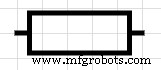
Figure 1: The IEC Resistor Representation
Also, there is the ANSI standard which you’ll mainly find in the US. The resistor symbol under this standard type is a zigzag line, as shown below:
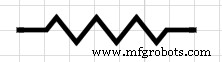
Figure 2: The ANSI Resistor Representation
Type of Resistors
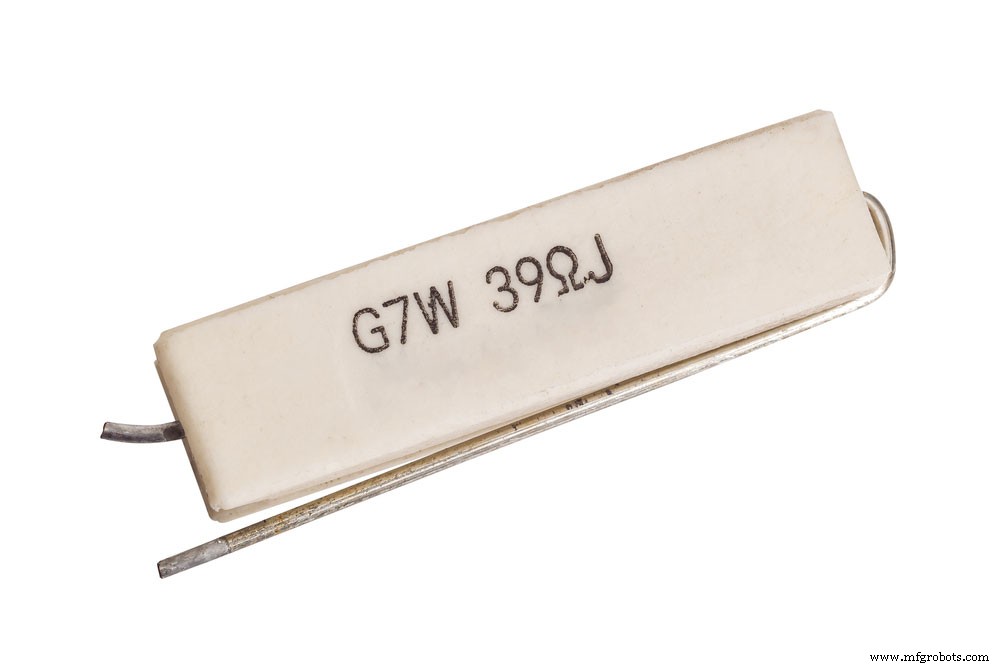
Figure 3: Powerful ceramic fixed resistor
You can classify resistors primarily based on their functions and the resistive material.
Functional Classification
- Fixed resistors
- Variable resistor.
https://www.youtube.com/watch?v=v-Ny1eepDhY
Video 1: Using a Variable Resistor.
Examples of this resistor form include a potentiometer, rheostat, and trimpot.
Resistance Value Classification
- Thermistors: Their resistance relies on the prevailing temperature.
- Photoresistors: Resistance is dependent on the light level.
- Varistors: Resistance relies on the voltage.
- Magneto resistors: The value of resistance depends on the magnetic field.
- Strain gauges: The resistance here will rely on the system’s mechanical load.
Note each of the above kinds of resistors has a standard symbol.
Type of Material Classification
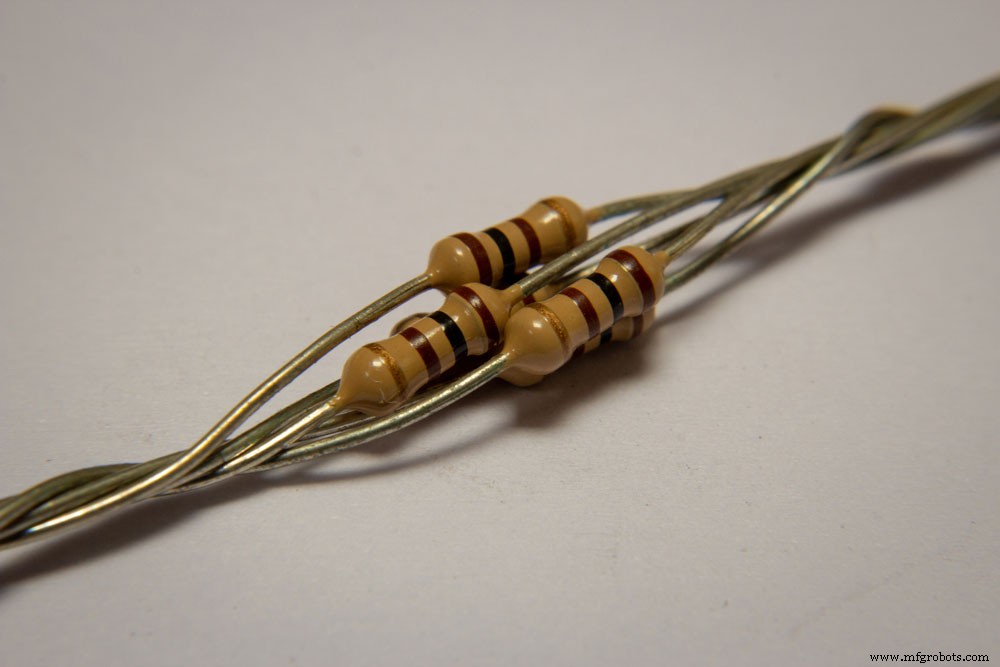
Figure 4: Electronic resistor for electronic devices
- Metal film
- Foil resistors
- Carbon resistors
- Wire wound resistors
- Metal-oxide film resistors
- Carbon composition: The resistive material is graphite dust or carbon.
Note the type of material will rely on the resistor’s purpose for these resistors. Often, manufacturers will compromise the price with the functionality. For instance, carbon composition resistors are characterized with low precision.
Nonetheless, they are relatively cheaper than others.
Uses of Resistors
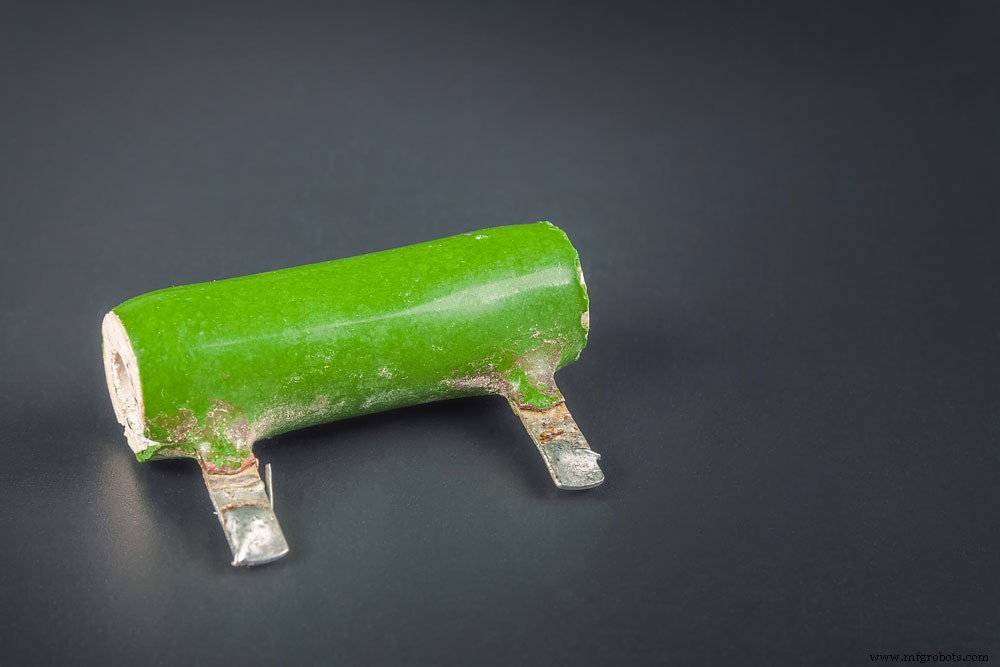
Figure 5: An Old Ceramic Resistor
First, we’ll discuss the critical general uses. They include:
In-circuit function
Resistors help control current flow in an electric circuit. Among the essential in-circuit functions include:
- Changing the musical tone pitch
- Controlling an amplifier’s loudness
- Altering a motor’s speed
Voltage drop
When you connect resistors in series, you’ll experience a voltage drop across the resistors.
Consequently, the devices become attuned to the desired potential difference. Such a function is essential, especially when the supply potential is higher than a device’s working potential.
For instance, consider a case where you have an integrated circuit requiring 5V. If the supply voltage is higher than this, a resistor will be handy in achieving the desired voltage. Therefore, you can regard a resistor, in this case, as a voltage divider.
Heating applications

Figure 6: A Microwave Oven
The resistor element in devices such as toasters, microwaves, electric stoves is the filament. Ideally, the filament will generate heat as it functions as a resistor. Therefore, this resistor element will glow when the temperature increases. Also, note that the degree of heat will rely on the prevailing resistance of the component.
Controlling timing cycles
When used with a capacitor, a resistor helps create up and downswings. Thus, a resistor is helpful in applications that have time dependencies, such as a three-way traffic light.
In circuits containing LEDs and Transistors

Figure 7: An LED Lamp
Say, for instance, you have a circuit that features LEDs and transistors. Such devices are susceptible to a high input current. Thus, a resistor will be handy in lowering the current to the right level.
Temperature control
Joule’s law of heating (H = I2Rt) dictates that there’s a direct correlation between heat and resistance. Also, the heat is proportional to the time and square of the current. Therefore, when you manipulate any factors, you will change the temperature.
For instance, increasing the amount of resistance will increase the temperature. Thus, the idea of resistance is significant in temperature control applications.
For protection as fusible resistors
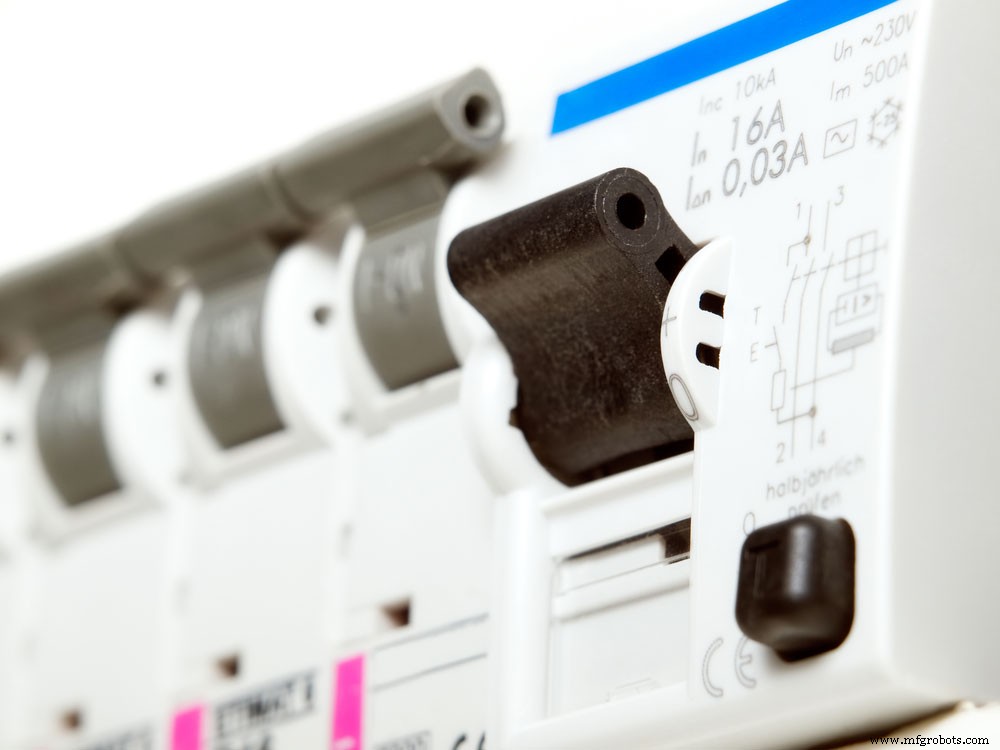
Figure 8: Electrical Fuses
You can prevent short-circuiting using a fusible resistor. Its electrical resistance is set a particular limit that will prompt the burning of the fuse if exceeded. Thus, it protects the other electrical components from being destroyed by the excess current.
Otherwise, the fuse element will be a standard resistor when there’s no power surge.
In lighting elements
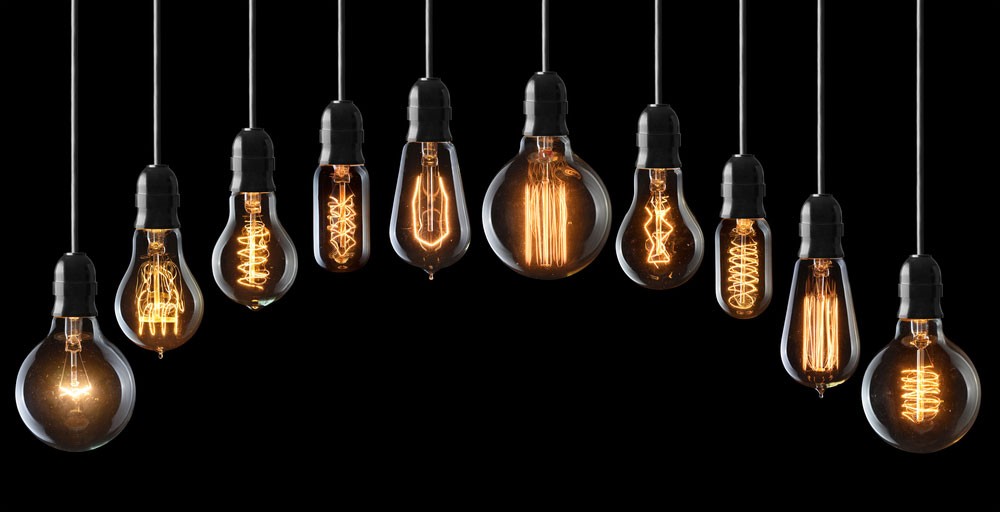
The conventional electric bulbs have a resistance wire that is imperative in generating light. The resistance wire will glow depending on the amount of current. An example of such a wire is a tungsten filament.
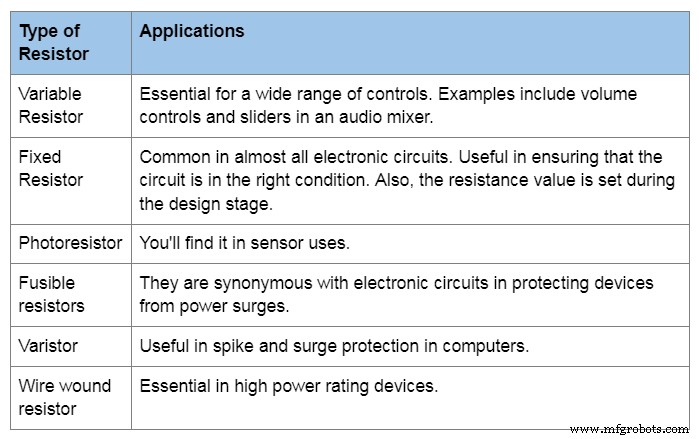
Other applications of resistance based on the type include the following:
Q&A
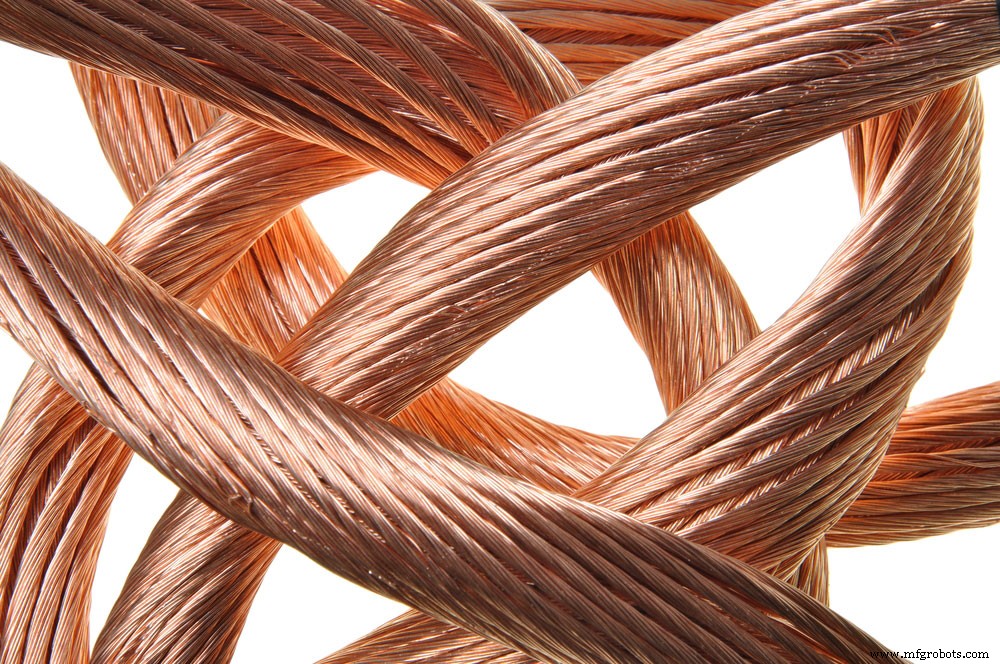
Figure 10: Naked Copper Conductors
When studying resistance in conductors, the following perspectives are essential:
- Does Length Affect Resistance?
The length of a conductor will be directly proportional to the resistance value. Thus, a long conductor will have a higher resistance than a relatively shorter one.
- Does temperature affect resistance?
A hot conductor will have a higher resistance than a cold one. The rationale is that the atoms are relatively more active in a hot conductor. Thus, they will be in disarray due to increased kinetic energy. As a result, the movement of electric current will be more restrained than if it were cold.
- Does the type of resistor material affect resistance?
You’ll come across electric conductors of different materials. The various materials will have varying resistances. Note electric current (I) is inversely proportional to the resistance. Thus, if you test other materials, you’ll realize they deliver different amounts of current.
- Does the thickness of a resistor affect the resistance?
The cross-sectional area of a conductor is what we regard as its thickness. Others will refer to it as the gauge. It’ll have a more significant resistance than a thicker one when a wire is thin. On the other hand, a thicker wire will have a lesser resistance.
A thick wire has a larger surface area for the movement of electric current. Thus, it will experience a limited impedance than a relatively thinner one.
Conclusion
We’ve covered an exposition of the different uses of resistors in electric circuits and the different types of resistors. Also, you are now aware of some of the factors to consider when choosing electric conductors. These insights should be handy in answering your questions regarding the use of resistors. In case you have any queries, raise them through our contacts.
Industrial Technology
- Resistors: Fundamentals, Types, and Practical Applications
- Essential QR Code Applications That Drive Business Efficiency
- Efficient Resistor Sorting for Arduino Nano Projects: A Simple, Time‑Saving Method
- Woodruff Keys Explained: Types, Functions, Benefits & Applications
- Decode SMD Resistor Codes: Quick Guide to Determining Resistance Values
- Resistor Color Code Calculator: Accurate 3‑Band to 6‑Band Resistor Value Estimation
- Three Essential Automation Strategies for Modern Manufacturing
- Master Resistor Circuit Diagrams: Expert Guide to Series, Parallel, and Hybrid Connections
- Zero‑Ohm Resistors: Key Advantages and Real‑World Uses
- Essential PCB Assembly Terminology: A Comprehensive Glossary