



CDI Systems: Reliable Spark for Small Engine Ignition Applications
Ignition systems need some spark to rev up any attached engines. So, if you’re working with an ignition application, you’ll need a system to help deliver the much-needed spark. Let us introduce you to one of such systems: CDI.
CDI is a popular system ideal for circuit applications with smaller engines. Maybe you’ve tried to figure out what that black box is, or you’re wondering what CDI does. Don’t worry. This article will explain all you need to know.
Read on to find out what it is, how it works, the pros, drawbacks, and more.
What does CDI Ignition Stand For?
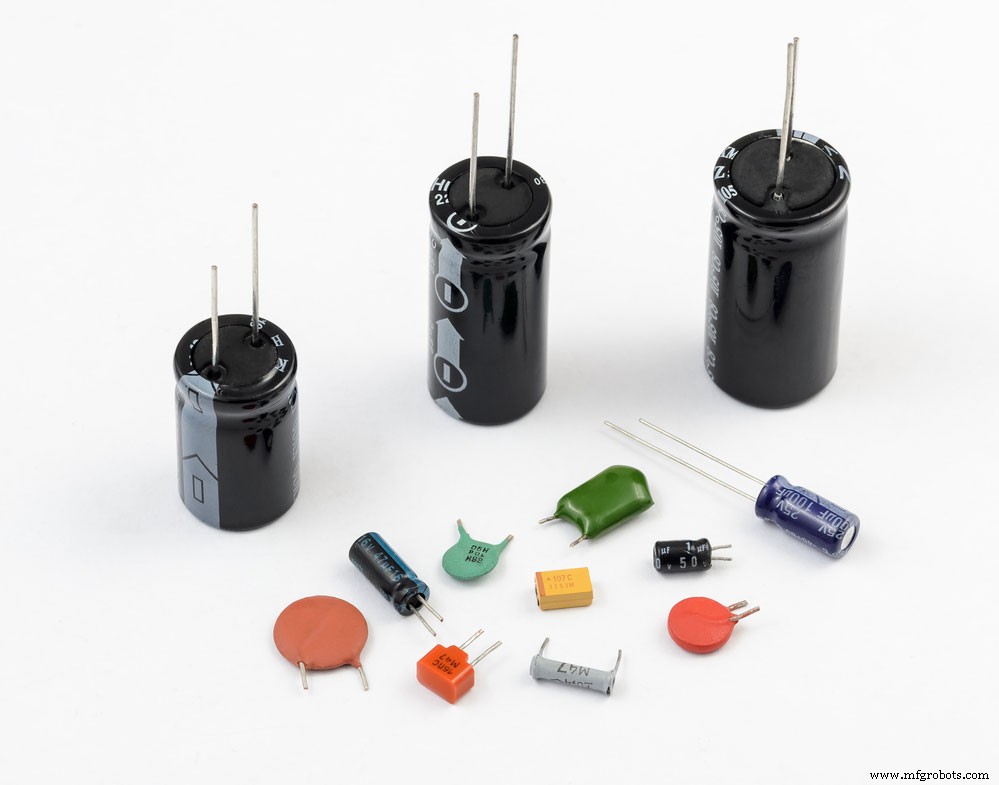
Capacitors
CDI is an acronym for Capacitor (or capacitive) discharge ignition. It’s a part of an ignition system that uses capacitors to store energy and release it instantly to create sparks for an ignition circuit. Also, you can call it the thyristor ignition, and it’s in chainsaws, turbine-powered aircraft, and other small engines.
How Does a CDI Ignition Work?
The CDI is one of the parts of an ignition system that directly links to the ignition. It works by using capacitors to hold current.
Interestingly, the CDI builds up a charge before passing it over to the capacitors for storage. Afterward, it releases all the stored current to the spark plug, which fires up the engine.
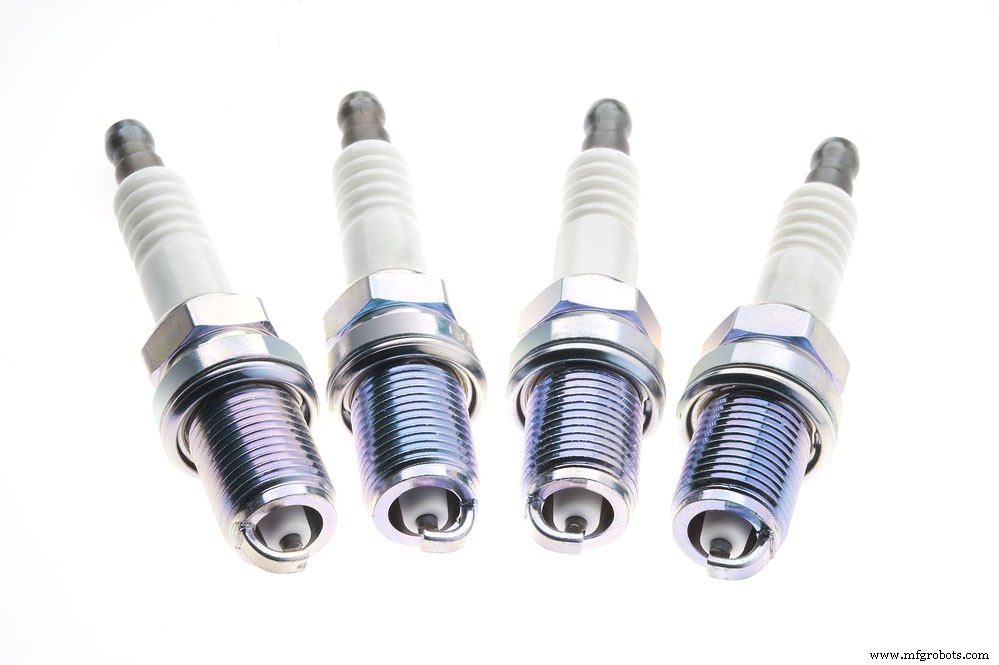
Spark Plug
A standard CDI consists of a small transformer, main capacitor, charging circuit, and triggering circuit. The system generates a voltage ranging from 400 to 600 volts and passes it through the induction coil (which serves as a small transformer), allowing the voltage to go through freely.
Then, the current travels to the charging circuit and the capacitor for storage. Plus, there’s a rectifier in the charging unit that stops the capacitor from discharging before ignition.
Once you switch on the ignition, the triggering circuit will stop the charge and cause a rapid capacitor discharge until it hits 40 Kv at the spark plug’s winding. As a result, the attached engine will start.
The best part is that the CDI has a quick charging time and efficient self-powering capabilities, making them better than inductive ignition systems for smaller engines.
Different Types of CDI
Here are the different types of CDI you can use for your applications.
AC-CDI
This CDI module is pretty typical for small engines. Its power source is the alternating current that comes only from the alternator. You can find these modules in tools like lawnmowers and chainsaws.

Lawnmower
DC-CDI
In contrast, the DC-CDI is battery-powered. Also, it features a DC/AC inverter circuit that can increase regular 12v DC to 400-600 volts DC.
Moreover, this is a slightly bigger module than the AC-CDI, and it works for a few larger engines. Additionally, the device features a more precise ignition timing and easier engine start, even when it’s cold.
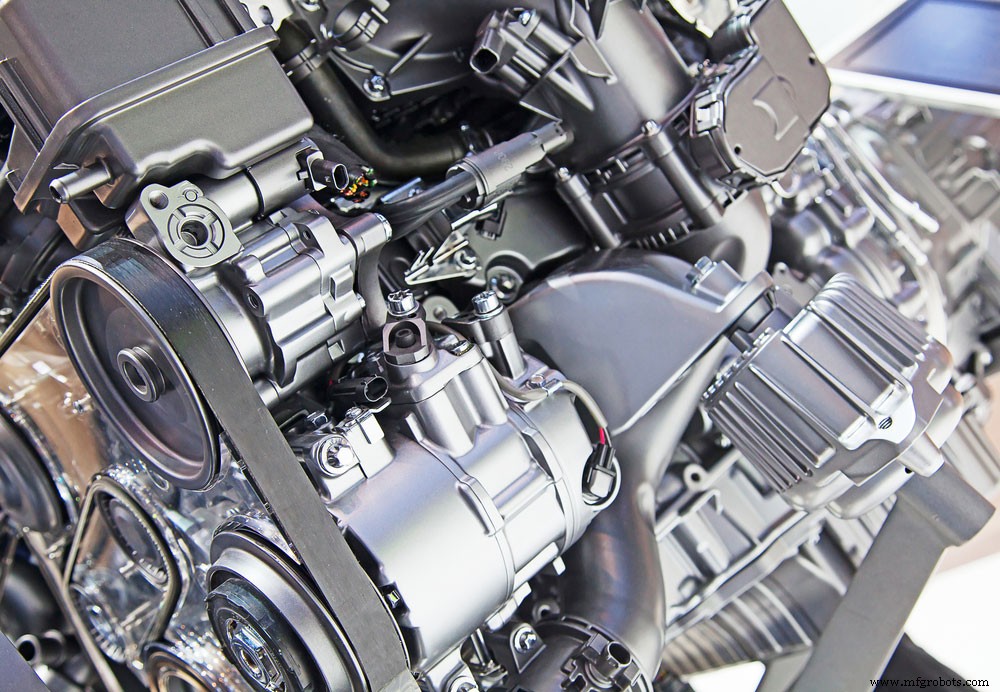
Engine
Which is Better?
We can’t say one is better than the other because they both have exceptional performance, depending on the application. The AC-CDI is simple and small, making it more convenient for smaller applications. And there’s a rare chance that it would have any issues.
On the other hand, the DC-CDI is better for projects with lower temperatures that need precise ignition.
Both CDI systems have some immunity to shunt resistance, making it possible to generate multiple sparks at once for various applications. Plus, there’s usually no delay, and most engines start immediately.
Pros
- It has fast charging times (usually 1 ms), making CDI great for applications with insufficient dwell time.
- CDI’s fast voltage rise offers immunity to the shunt resistance.
- Also, CDI doesn’t discharge easily, and the voltage rise can be anywhere between 3 and 10 kV.
- CDI is great for smaller machines like motorcycles and outboard motors.
Cons
- Most automobile manufacturers avoid CDIs because it produces vast amounts of electromagnetic noise. And this occurs due to the capacitor discharge ignition system.
- CDI doesn’t work for lighting lean mixtures with low power levels. However, many variants solve this problem by releasing sparks at low-speed levels.
- The capacitor can only hold a specific amount of current before burning out. Hence, CDI is not great for larger machines and vehicles.
What is the Difference Between CDI and TCI?
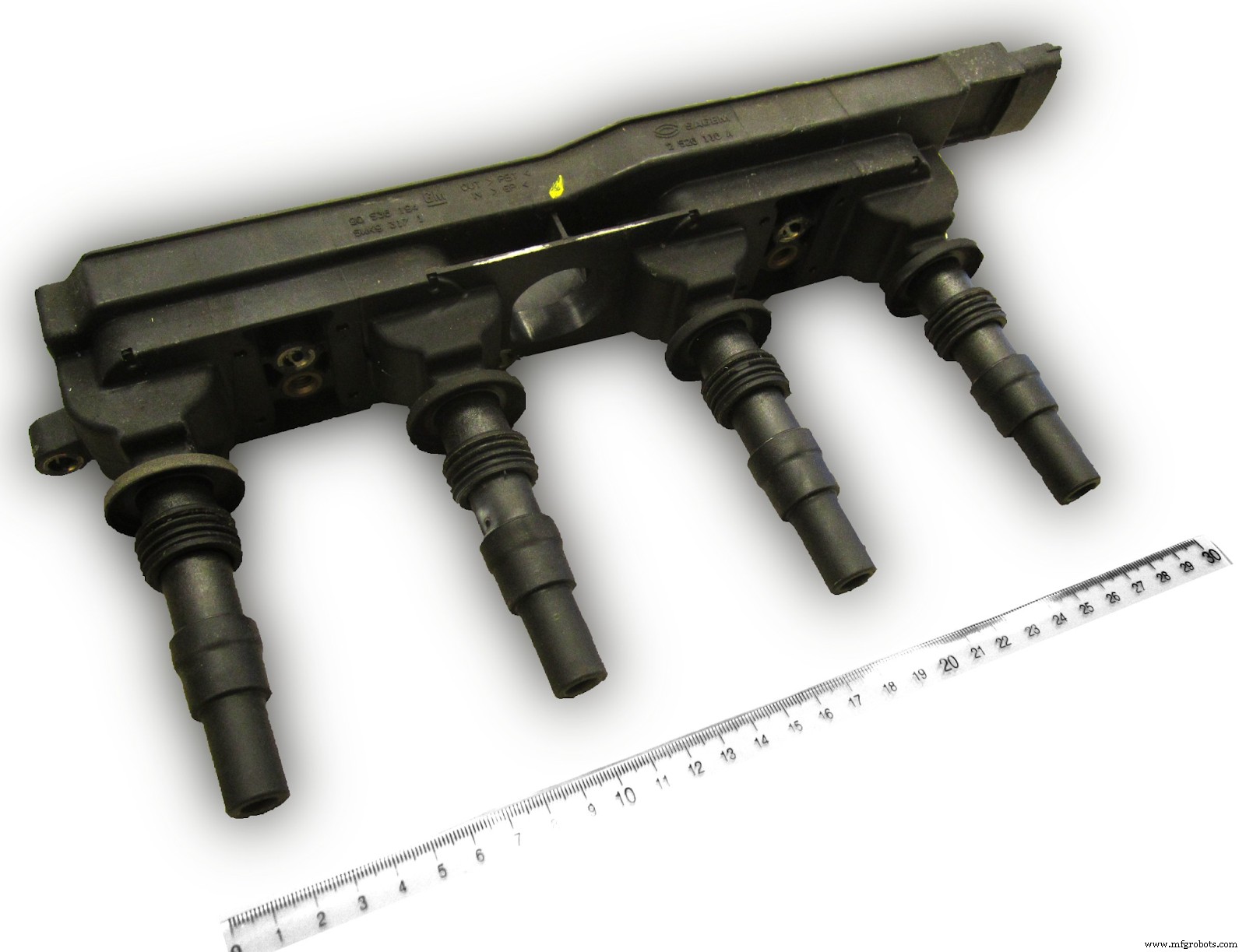
Ignition Coil
TCI stands for transistorized Coil Ignition. It’s a system where a transistor drives the inductor coil current. Here are some major differences between the two:
| CDI | TCI |
| CDI is an independent system that starts ignition early. | It’s time-dependent. |
| The device usually has a capacitor loaded with 200 to 400 volts. Hence, it can create sparks when the capacitor releases its current at once. | TCI charges the ignition coil with power before generating sparks. So, you’ll only create snacks when you cut the power. |
| CDI has low inductance and impedance values (XL<1 ohm). | It has high impedance values (XL>1 ohm). |
| It can reach a higher RPM to create a short spark and high power. | TCI reaches lower RPM and increases spark durations. |
CDI Troubleshooting Guide
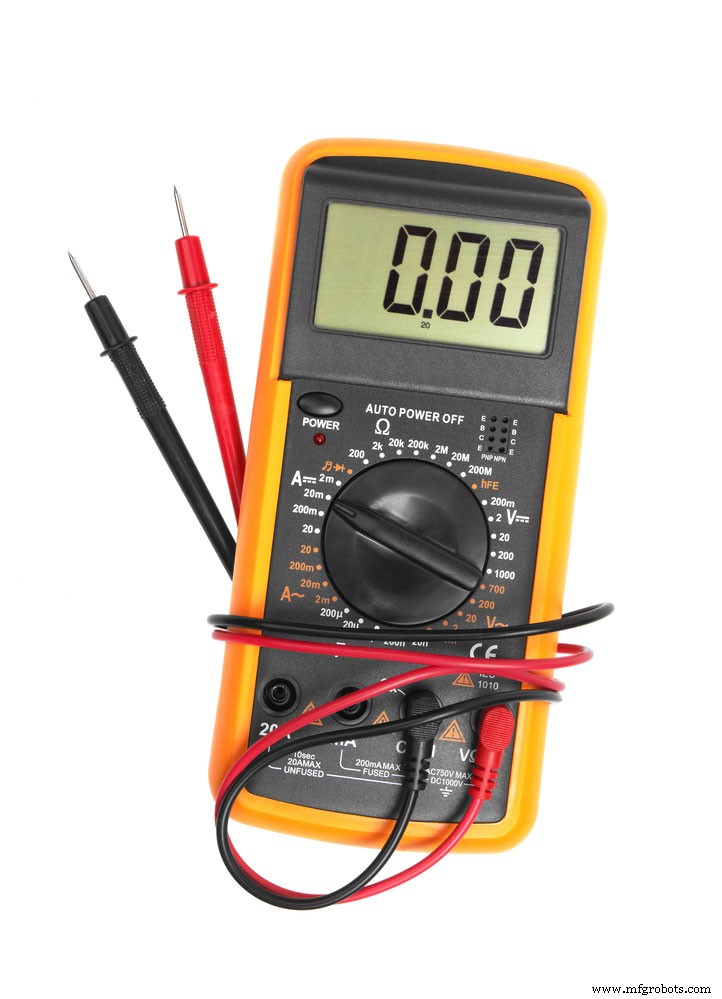
Multimeter
If you’ve got a spark problem, there’s a high chance that your CDI is faulty. CDI comes in a black box and should be maintenance-free. But, a lot of vibration from the machine and heat can cause damage.
So, if you’ve singled out all other machine components and only the black box is left, here’s how to troubleshoot or test your CDIs.
Note: it may be hard to test CDI at first because of its maintenance-free policies.
- First, check the CDI box with a multimeter. It’s essential to test if you have a good or defective CDI box before troubleshooting.
- If you have a faulty CDI, check the specs provided by the manufacturer for pin-by-pin testing. But you’ll be better off replacing the suspicious CDIs box.
- However, you must be careful when purchasing replacements. And it’s because some of them may have the same issues.
Construction of Capacitor Discharge Ignition
Several parts make up the CDI ignition system. These parts include the stator, charging coil, flywheel, hall sensor, and timing mark. Let’s take a closer look:
Flywheel
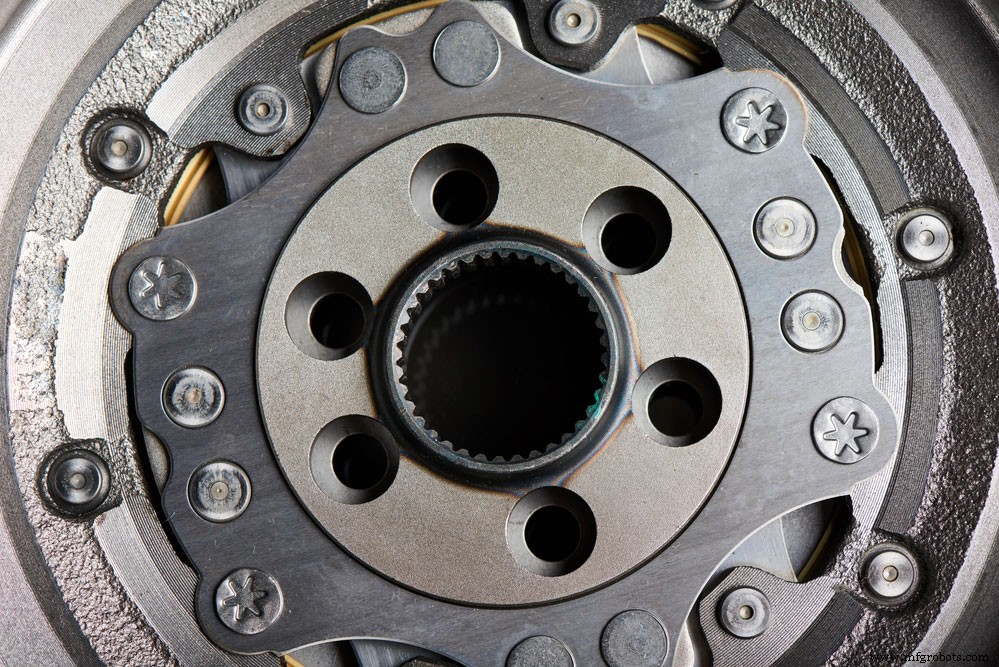
Flywheel
Flywheels are huge horseshoe magnets that activate a crankshaft. It’s also a permanent magnet that’s rolled into a circle.
Stator
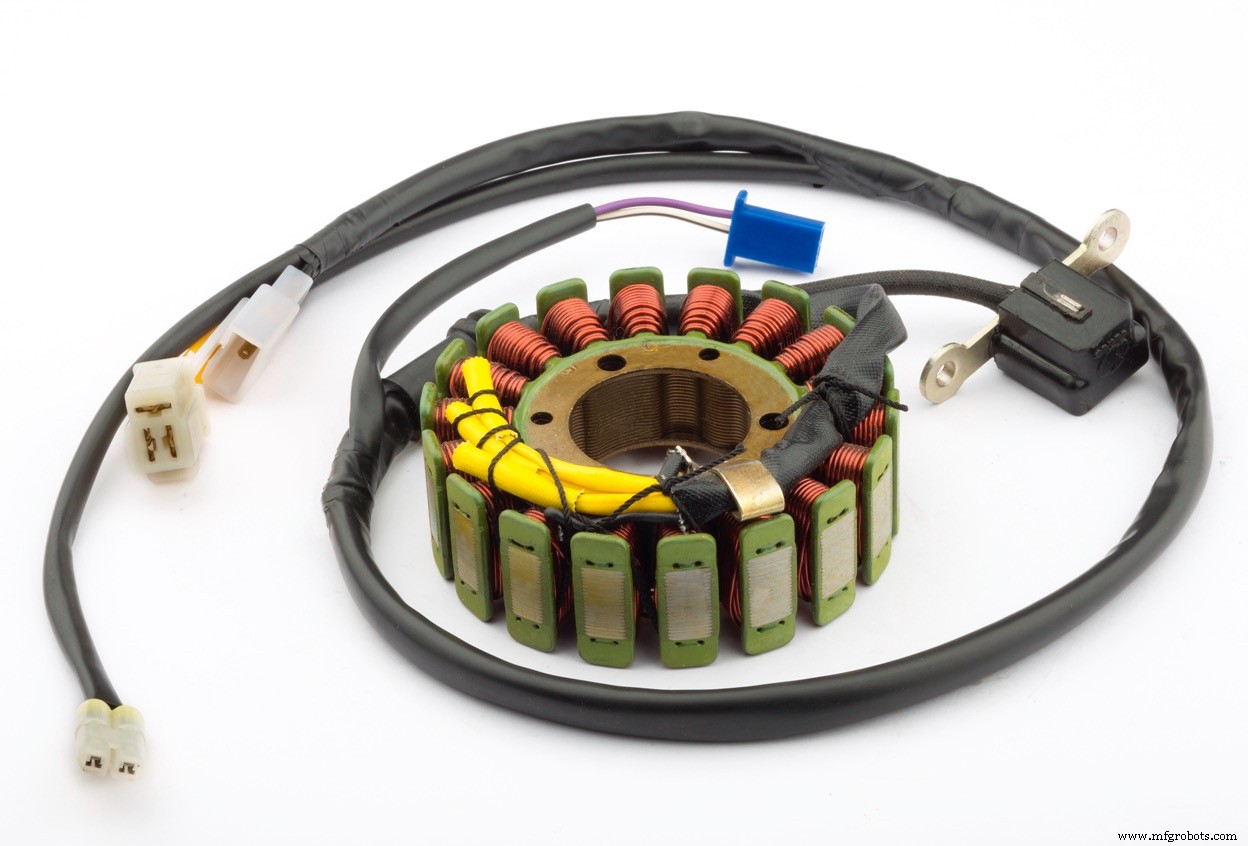
Stator
The stator is a vital component that powers the ignition and other devices on the machine. It’s like a structure that houses all the electrical wire coils of the CDIs system.
Charging Coil
Charging coils are electric stators that can produce up to 6 volts to charge the main capacitor.
Hall Sensor
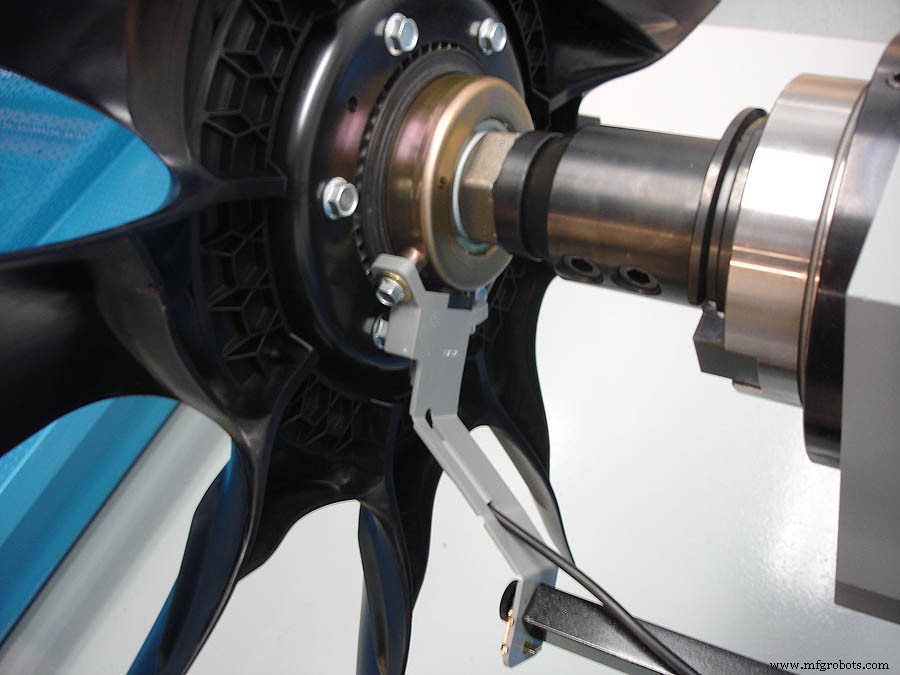
Clutch with Hall Sensor
There’s an instant point where the flywheel changes directions (north to south), which sends a tiny, single pulse to the CDIs. As a result, the CDIs box triggers the transfer of energy from the transformer to the capacitors, which also creates a hall effect.
The hall sensor is what we use to measure this effect.
Trigger Circuit
The trigger circuit is the ignition switch that allows current flow only from one side until there’s a trigger. Additionally, it uses a transistor, thyristor, or SCR and gets triggered by a hall sensor pulse.
Kill Switch
This switch is responsible for shutting down the machine’s engine. It grounds the circuit so all the current transfers to the ground. Hence, it stops the CDIs from charging and producing sparks.
Rounding Up

Motorcycle
CDIs work great for a variety of machines with small engines like motorcycles. But it can’t handle the power needed for bigger machines. However, it’s still one of the best systems to provide fast ignition and capacitor charge.
Plus, the CDIs can keep running as long as it has power. But you can use the key or kill switch to turn it off.
Feel free to contact us if you have any questions.
Industrial Technology
- MEN: Robust Modular DIN‑Rail System for Custom Embedded IoT Solutions
- Axiomtek IPS960‑511‑PoE: All‑In‑One Rugged Vision Controller for Industrial Inspection
- 5 Key Advantages of Stainless Steel Valves in Industrial Applications
- Advanced Ignition Systems for Reliable CubeSat Electric Propulsion
- 7 Essential Tips to Enhance Safety in Industrial Fluid Systems
- Monel Alloys: Top Applications and High‑Temperature Performance
- Top 7 Ways Robots Revolutionize Furniture Production
- Precision Flat Lapping Services: Advanced Applications for Industrial Surface Finishing
- Essential Industrial Robot Applications Leveraging 3D Laser Vision Systems
- Revolutionizing Healthcare: How 3D Printing Is Transforming Medical Applications