



5 Proven Steps to Deliver Successful Industry 4.0 Proof‑of‑Concept Projects
In my previous article, “Industry 4.0 gaining momentum in Asia‑Pacific”, I explored the regional landscape of digital manufacturing. This piece presents a concise, 5‑step framework that transforms a visionary idea into a low‑risk, high‑impact proof‑of‑concept (POC) for your plant.
Step 1: Set Clear Business Objectives
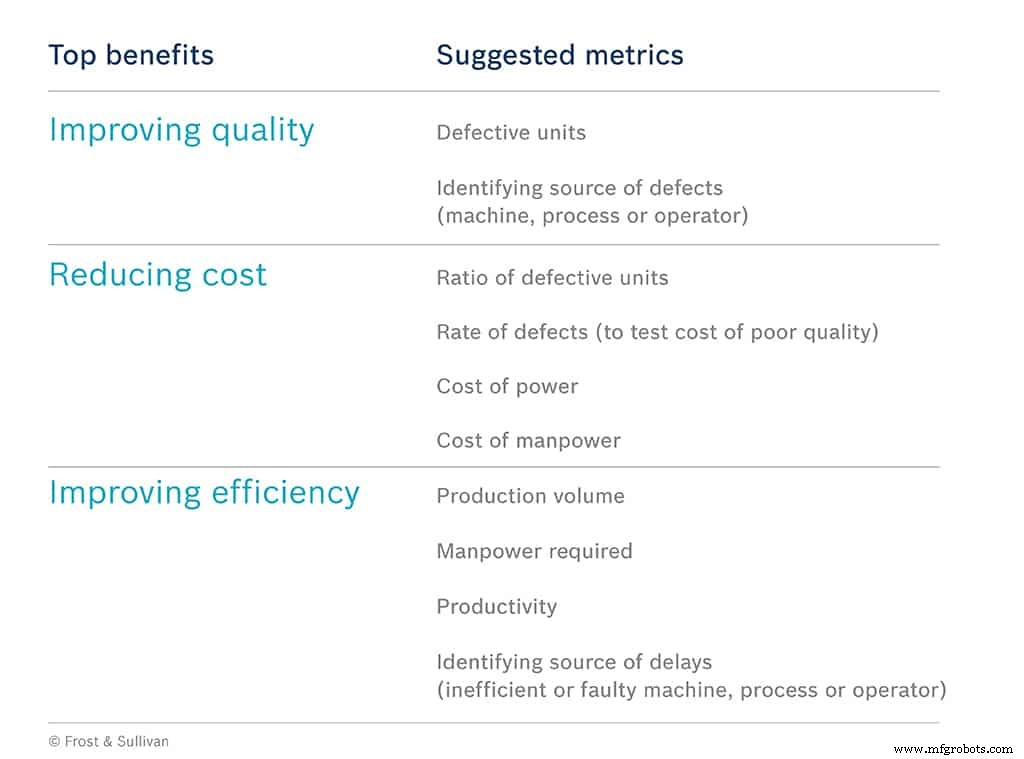
Most Industry 4.0 initiatives start when operational managers confront recurring shop‑floor challenges. Begin by mapping the specific pain points—be it machine downtime, energy waste, or quality drift—and translate them into measurable business goals. Establish baseline metrics that will serve as reference points for later comparison, ensuring that every subsequent action is tied to tangible outcomes.
Step 2: Build a Prototype
Design a lean pilot that runs on a modest budget. The goal is to validate process improvements derived from data analysis and to quantify gains early on. Selecting a cloud‑based platform is essential: it streamlines sensor data ingestion, accelerates analytics, and eliminates the need for on‑prem hardware investment.
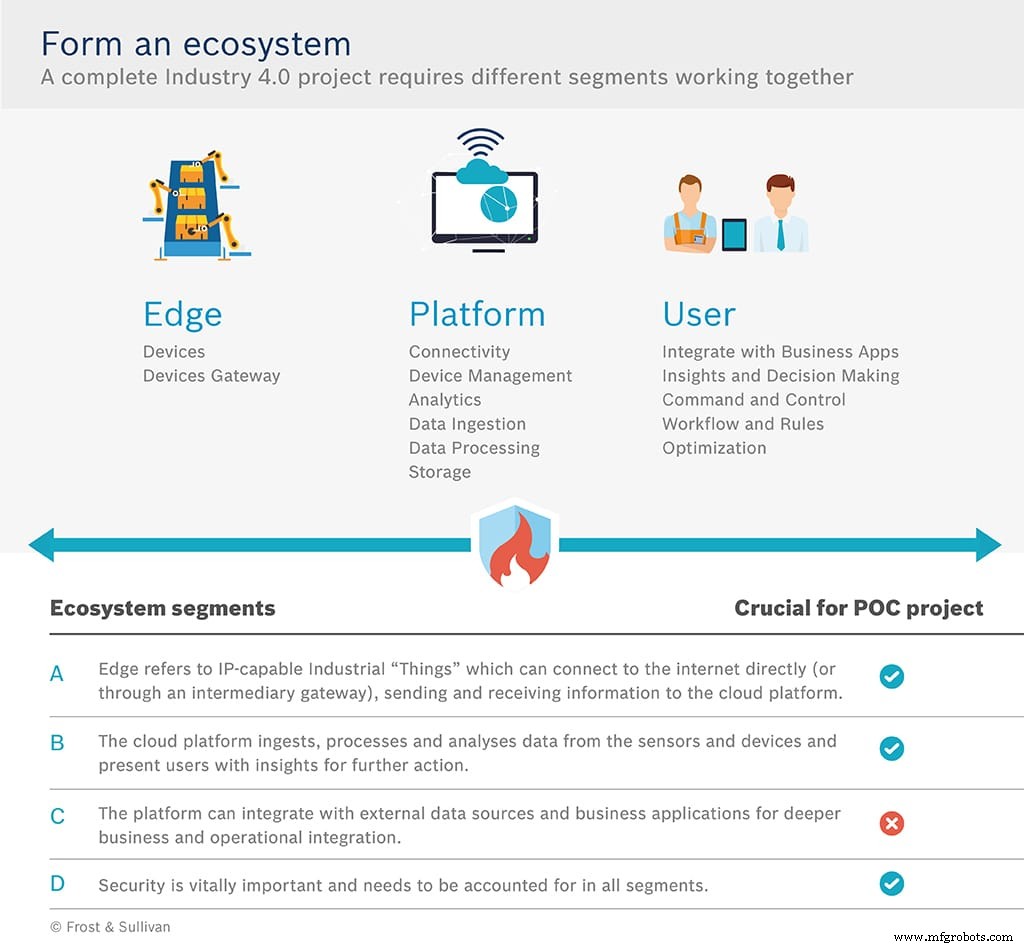
During the trial, capture real‑time sensor feeds, perform root‑cause analysis, and benchmark against your defined objectives. The pilot’s success hinges on whether these quantified improvements justify broader deployment.
Step 3: Validate Findings
Once the POC is live, collect and analyze data to confirm that the anticipated efficiencies materialize. Use the baseline metrics from Step 1 to conduct a rigorous before‑and‑after study. Identify inefficiencies, predict failure points, and refine processes accordingly. Iteratively validate each change before moving to the next cycle.
Step 4: Replicate Successful Use Cases
After confirming that the pilot meets its goals, scale the solution across additional machines and production lines. Partner with a trusted Industry 4.0 integrator to design a phased rollout that minimizes operational disruption. As you expand from a handful to potentially thousands of sensors, leverage cloud elasticity to handle increased data volume while reinforcing cybersecurity protocols to protect sensitive information.
Step 5: Execute a Global Rollout
With the core technology proven, extend connectivity beyond the factory floor to supply‑chain partners, distributors, and even other facilities. A connected ecosystem unlocks just‑in‑time inventory, reduces logistics costs, and enhances responsiveness to market shifts.
Reduce Inventory Through Connectivity
Integrating data across suppliers and customers turns isolated silos into a unified workflow, enabling precise demand forecasting and streamlined procurement.
Track High‑Value Perishables
Real‑time telemetry ensures that temperature‑sensitive goods—such as fresh produce or pharmaceuticals—remain within prescribed conditions from farm to table.
Connect Multiple Factories
Aggregating data from a network of plants delivers a holistic view of global operations, supporting predictive maintenance, cross‑plant benchmarking, and rapid decision‑making.
Share Best Practices Across Teams
Centralized analytics surface the most effective processes and troubleshooting tactics. Disseminating these insights accelerates adoption and consistency across the organization.
By following this structured, evidence‑based approach, you can minimize risk, validate tangible benefits early, and scale Industry 4.0 innovations confidently across your enterprise.
Industrial Technology
- Industrial Internet of Things vs Industry 4.0: What You Need to Know
- Implementing Industry 4.0: Practical Steps for Machine and Component Manufacturers
- Industry 4.0: Building Value‑Stream Organizations for Continuous Improvement
- 5 Proven Steps to Deliver Successful Industry 4.0 Proof‑of‑Concept Projects
- Mastering IoT Adoption: A Proven Three-Step Blueprint
- IoT Analytics Unveils Proven 5‑Step Blueprint for IoT Success
- Industry 4.0 Explained: What It Means for Smart Manufacturing
- Industrial Automation 4.0: Revolutionizing Production Efficiency
- Implementing a Quality Strategy to Drive Industry Competitiveness
- Gas and Flame Safety: Protecting Workers in Power Generation