



Acrylonitrile Styrene Acrylate (ASA): Key Properties, Applications, and Why It Beats ABS
Published on November 22, 2021
Previously published on fastradius.com on November 22, 2021
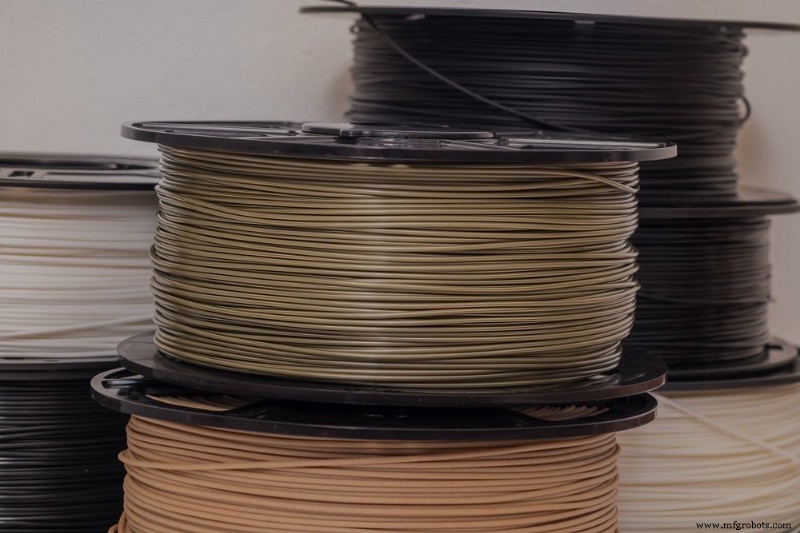
Fused deposition modeling (FDM) is the most accessible 3D‑printing method, offering low part‑costs, rapid turnaround, and the ability to produce larger components than many other additive techniques. The process uses a heated nozzle to extrude thermoplastic filaments layer by layer, making it ideal for prototypes, final parts, and everything in between.
Because FDM works with a broad spectrum of filaments, choosing the right material can feel daunting. Understanding each polymer’s strengths, limitations, and typical use cases is essential before committing to a print. Is acrylonitrile styrene acrylate (ASA) the right fit for your next project? Below is a comprehensive guide to ASA’s chemistry, performance, and applications.
What Is Acrylonitrile Styrene Acrylate (ASA)?
ASA was engineered as a superior alternative to acrylonitrile butadiene styrene (ABS). While both share similar mechanical foundations, ASA’s formulation replaces butadiene rubber with a grafted acrylic ester elastomer powder during copolymerization of acrylonitrile and styrene. The absence of double bonds gives ASA exceptional resistance to weathering, heat, chemicals, and ultraviolet light.
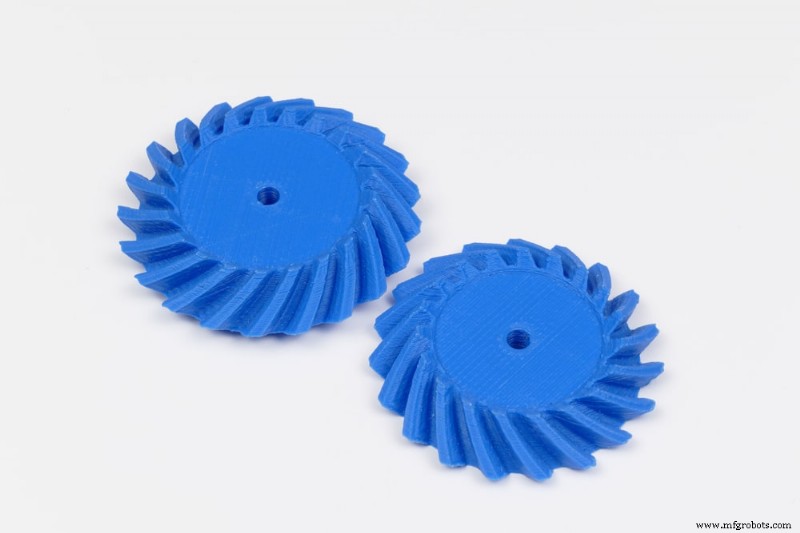
Available as resin, filament, film, or sheet, ASA can be employed in 3D printing, thermoforming, injection molding, structural foam molding, and extrusion blow molding. Co‑extrusion with other polymers is also possible, allowing ASA layers to shield critical parts from harsh environments.
ASA: Key Properties & Mechanical Specs
ASA is prized for its toughness, high impact resistance, wear tolerance, and UV stability. It remains strong across extreme temperatures and resists a wide range of chemicals—including saturated hydrocarbons, aqueous salt solutions, weak acids and alkalis, and many oils. Finished parts boast a glossy finish that retains color and mechanical integrity outdoors.
Typical post‑processing options include sanding, painting, milling, drilling, gluing, cutting, and acetone smoothing for layer‑line removal.
- Tensile strength, yield: 4750 psi
- Tensile strength at break: 4630 psi
- Flexural modulus: 287 ksi
- Compressive yield strength: 10900 psi
- Compressive modulus: 297 ksi
Note that ASA is hygroscopic and may absorb moisture from the air. It is also vulnerable to concentrated acids, esters, ethers, ketones, and chlorinated hydrocarbons.
Common Applications for ASA
ASA’s combination of impact, chemical, weather, and UV resistance makes it a go‑to material for outdoor and high‑stress environments. Typical uses include:
- Commercial siding and exterior cladding
- Electrical housings and enclosure components
- Outdoor furniture, sporting goods, and lawn equipment
- Automotive parts such as exterior panels, side‑view mirror housings, and other exterior trim
- Jigs, fixtures, and manufacturing aids that require durable tooling
Why ASA Beats ABS
While ASA and ABS share similar chemistries, ASA offers superior performance in demanding settings:
- Superior UV stability – ABS becomes brittle under prolonged sunlight, whereas ASA retains flexibility.
- Higher impact resistance and durability for outdoor exposure.
- Better resistance to environmental stress cracking.
- Comparable mechanical strength with added chemical resilience, positioning ASA above polycarbonate and PETG for many use cases.
Getting Started with ASA
Choosing the right material is a critical decision that can shape the success of a product. When evaluating ASA, consider factors such as anticipated exposure to sunlight, chemicals, and temperature extremes. If you’re uncertain, partner with an experienced manufacturing partner to streamline material selection and production.
At SyBridge, we leverage decades of expertise across a broad spectrum of polymers to help you pick the ideal material and guide you through design, prototyping, and production. Ready to explore what ASA can do for your next project? Contact us today.
Industrial Technology
- Plant Asset Management: Maximizing Efficiency & Savings in Industrial Operations
- Universal Shift Registers: Parallel‑In/Parallel‑Out with Bidirectional Shift Control
- IBM Launches AI & Blockchain Platform for Global Supply Chain Collaboration
- HC-06 Bluetooth Module: Pinout, Features, Applications & Working Principle Explained
- Overcome Production Bottlenecks with These 5 Essential Software Solutions
- How to Select the Ideal Grinding Wheel for Your Specific Application
- Mastering Corporate Sustainability: Focus on Emissions, Energy, Waste, and Water
- Top 12 Starlink Alternatives in 2026: Leading Satellite Internet Competitors
- CNC Machining Explained: Precision Metal Fabrication
- Why Tungsten Wire Is the Superior Choice for Wafer and Neural Probes