



Metal Polishing: Mechanical, Chemical, and Electropolishing Explained
Published on November 18, 2021
Originally published on fastradius.com on November 18, 2021
Metal finishing is more than a cosmetic touch; it protects parts from corrosion, oxidation, and contamination while delivering a mirror‑like appearance. This article demystifies the three most common polishing methods—mechanical, chemical, and electropolishing—so you can select the technique that best aligns with your project’s performance, cost, and cleanliness requirements.
Why Polishing Matters
Machining inevitably leaves scratches, pits, and burrs that compromise a part’s integrity and visual appeal. A properly finished surface not only looks better but also resists tarnishing and corrosion, which can arise from oxygen exposure, high temperatures, or mechanical wear.
Mechanical Polishing
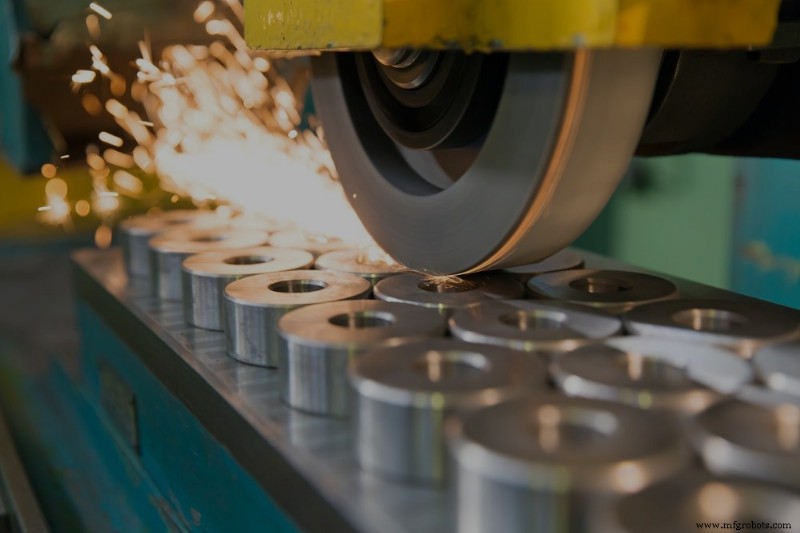
Mechanical polishing uses abrasive media—such as sandpaper, wool berets, or polishing sponges—mounted on flat wheels or turntables that spin at high speeds. Skilled technicians adjust pressure, abrasive grit, and motion to remove imperfections and achieve a bright, reflective finish.
Pros:
- Exceptional brightness and aesthetic quality
- Superior cleanliness when performed correctly
Cons:
- Labor‑intensive and requires expert operators
- Not ideal for fragile or highly complex geometries
- Potential for inconsistent gloss if technique varies
- Increased susceptibility to corrosion if residues remain
Chemical Polishing
In chemical polishing, the part is submerged in an acidic or basic solution that selectively dissolves the metal’s surface layers. This process smooths micro‑roughnesses, eliminates burrs, and can produce a passivation layer that reduces friction.
Pros:
- Handles complex shapes efficiently
- Batch processing allows multiple parts to be polished simultaneously
- Lower equipment investment compared to electropolishing
Cons:
- Brightness may vary across the surface
- Precise temperature control is critical and can be challenging
- Potential release of hazardous chemicals
Electropolishing
Electropolishing combines chemical immersion with an applied electric current that removes a thin, controlled layer of metal ions from the surface. The current allows precise regulation of material removal, often down to microns.
Pros:
- Uniform, high‑luster finish with excellent corrosion resistance
- Ideal for fragile or intricately shaped parts
- Low environmental impact when properly managed
Cons:
- Requires substantial equipment and pre‑processing steps
- Higher initial capital outlay
Choosing the Right Polishing Method
Consider the following factors:
- Application requirements: Medical devices and high‑purity components favor electropolishing for its cleanliness.
- Geometry: Complex or delicate shapes benefit from electropolishing; simple, robust parts can be efficiently polished mechanically.
- Cost and throughput: Chemical polishing offers a balance between speed and equipment expense.
- Desired finish: Mechanical polishing delivers the brightest aesthetic, while electropolishing ensures consistent luster and passivation.
At SyBridge Technologies, we combine decades of experience with industry‑leading equipment to guide you through selecting, optimizing, and implementing the most appropriate polishing strategy for your parts. Contact us today to start your project.
Industrial Technology
- Are LED Lights Truly Sustainable? Unveiling the Real Impact
- Proven Casting Techniques to Enhance Efficiency and Safety
- Ensuring Safety for Temporary Workers: Essential Employer Guidelines
- Digitalizing Supply Chains: 5 Proven Strategies to Overcome Current Headwinds
- Create NC Drill Files for Your PCB Design Software: A Step‑by‑Step Guide
- APM Studio Pump Health Monitoring: Complete Installation & Usage Guide
- Explore 15 Essential Milling Machine Types for Precision Metalwork
- SMT PCB Design Essentials: Pad-Trace Connections, Thru-Holes, Test Points, Solder Mask & Silkscreen Guidelines
- Arduino Pro Mini vs Nano: Detailed Feature Comparison for Smart Projects
- Programmatic Commerce: Empowering Consumers to Shape the Supply Chain