Industrial manufacturing
Industrial Technology


Hospitals often come under fire for inefficiently managing supplies and spending too much on inventory. As hospitals are forced to tighten their belts, materials managers, suppliers, and staff members are pressured to address inventory management; unfortunately, they often are told to do so in
Inventory control systems are technology solutions that integrate all aspects of an organization’s inventory tasks, including shipping, purchasing, receiving, warehouse storage, turnover, tracking, and reordering. While there is some debate about the differences between inventory management and
Warehouse managers constantly are told to do more with less. Lean practices are forcing warehouse managers’ hands. The goal, of course, is to keep costs low while getting the right inventory to the right people at the right time to ensure high customer satisfaction. If only it were that easy! I
Warehouses are constantly striving to improve efficiency, and the facility’s layout plays a big part in productivity. Storing fast-moving products closer to shipping docks, ensuring that there’s enough space for easily moving larger items from place to place while also minimizing wa
Supply chain management is the oversight and facilitation of the people, processes, information, and technologies involved in the flow of goods and services from manufacturers and producers to customers and end users. The goal of supply chain management is to streamline these activities to ensu
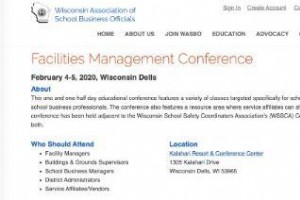
Facilities management has become vital to the success of organizations today, as managing and maintaining facilities helps streamline operations, save money on repairs with regular maintenance, and improve the health and safety of workers. Effective facilities management teams increase efficien

Asset tags are a crucial tool for businesses that track and manage costly assets. While there are a variety of formatting options for asset tags, the specific format for asset tags that’s best for one company may not be the most suitable for another. The best format depends on several fac

Asset identification is an important process for organizations that manage a variety of fixed or movable assets, and it’s an essential component of an overall asset tracking system. Here’s a look at the methods of asset identification, best practices, and more. A Definition of Asset
Warehouse operations are a critical component of business strategy. The more efficient your operations, the easier it is to ship and receive items and to meet customers’ expectations. Efficient operations only occur when leaders implement best practices for receiving, shipping, picking, m
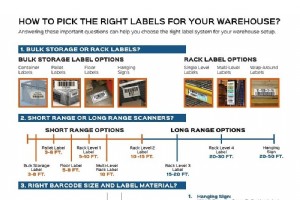
Are you over-engineering your warehouse labels? Choosing the right label and scanner combination can simply and streamline your processes. With a variety of warehouse label options available, choosing the right label for each warehouse application may seem like an overwhelming process, but this
For warehouse leaders, pursuing automation is one of the best decisions to make. Warehouse automation effectively boosts the return on investment (ROI) by decreasing labor demands, improving accuracy, and boosting efficiency. Warehouse automation also reduces costs and improves customer satisfa

Healthcare organizations rely on equipment, tools, and other assets to provide quality healthcare to patients. That includes more than just the medical equipment used in direct care, but also the computers and other assets that healthcare companies rely on to manage patient records, medical bil
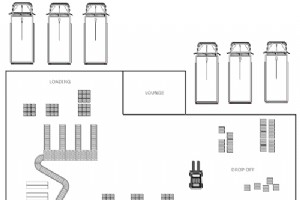
Organizing a warehouse properly can make or break the efficiency of your operations. That means not only the layout of the physical warehouse space, but also a properly configured process flow that clearly defines the necessary steps in receiving, inventory management, and shipping, among other
It seems everyone is talking about warehouse automation these days, from concerns about the potential for robots and automation to take over once human-led processes to businesses that can’t wait to take advantage of the productivity gains promised by the latest automated technologies, th
When done effectively, facilities management makes things run so smoothly that most organizations don’t have to give it a second thought. It’s when facilities management is done improperly that everyone notices; operations suffer, equipment and systems fail, and workers’ safet
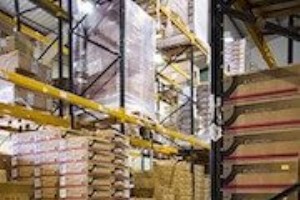
As lean warehousing, cost-effectiveness, and increased efficiency and productivity become a way of life for warehouse professionals, maximizing space utilization is more critical than ever before. To create an effective warehouse design, you must optimize your space and layout. Saying that you’
When it comes to your warehouse workers’ safety, one area to keep in mind is pallet racking safety. You have to be able to rely on your storage equipment day in and day out, so ensuring that pallet racking remains serviceable and safe is critical to your operations and workers’ safety. Simply r
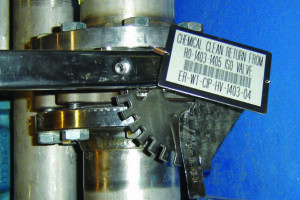
Facilities and maintenance management are critical enterprise functions that have benefited greatly from advances in technology, yet some maintenance departments have remained stagnant for decades. In other organizations, the introduction of innovative technology has made a tremendous imp
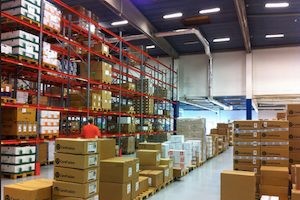
A Definition of Asset Management Asset management is a process for tracking and monitoring a company’s fixed and/or moveable assets for financial accounting, preventive maintenance, and theft deterrence purposes. Asset management is important for compliance and managing the bottom line, but it

The solar industry has been around for quite a few years, but it’s just now ‘heating up’ as advances in technology make solar a more feasible source of energy for a broader user base, particularly as costs trend downward and the ability for solar systems to ‘pay for themselves’ in terms of redu
Industrial Technology