Industrial manufacturing
Industrial Technology


Choosing the right barcode labels for your business or facility requires a basic knowledge of scanning technology, label materials, and popular barcode formats. Since barcodes make it easier to automate inventory management and asset tracking, they have become a popular choice in companies span
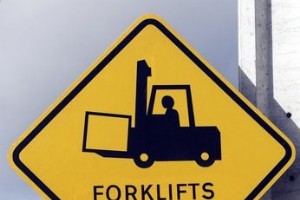
The Occupational Health and Safety Administration (OSHA) provides extensive guidance to U.S. industries, and warehouses are no exception. In its Worker Safety Series guide for warehousing, OSHA noted that the fatal injury rate for the warehouse industry is higher than the national average. Some

All companies, from local small businesses to the largest global enterprises, need to monitor and control their assets. Capital costs are often a major investment, with additional ongoing expenses for maintenance contracts and equipment repairs. Implementing the right asset management software
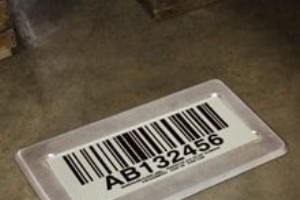
Floor labels are a common sight in most commercial facilities due to their convenience in conveying important information directly on the floor surface. These labels are especially helpful in high traffic staging areas and storage locations where many different items are located and moved frequ
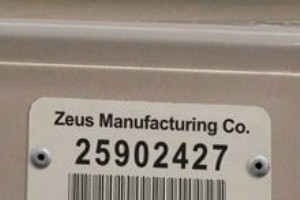
Unlike some other materials, aluminum can be used to fabricate labels, tags, panels, signs, more. It has become a popular substrate material for metal labels due to its durability and resistance to many common contaminants and sources of damage. You can find aluminum labels used throughout the

The typical warehouse or factory may have thousands or even millions of assets to track and manage. To streamline work processes and help control costs, many businesses have implemented inventory management software and hardware tools. Among these, inventory barcode labels are a common choice f

Many of today’s companies are well-positioned to do business internationally and must constantly find new ways to improve the effectiveness of their operations. Regardless of the industry, assets of all types must be managed in a way that maximizes the return on investment. The adoption of new

A primary goal of asset management is to build a tracking system that is reliable and accurate. Issues such as improper scanning, missing labels, and inaccurate information can all lead to additional costs for your operation and wasted time for your staff. One way to reduce the risk of asset tr

The United States Department of Defense (DoD) requires a particular marking system for all equipment and parts. This unique identification code is required for tracking products and is known throughout the military industry as UID marking. Military 130 (MIL-STD-130) sets guidelines for individu

More companies are turning to warehouse automation to streamline processes, boost efficiency, and reduce human error. But what is warehouse automation exactly, and how can companies benefit from it? A Definition of Warehouse Automation As companies and warehouse managers look to streamline oper

We don’t often think of schools as being a particularly asset-heavy entity, but more and more, educational institutions are filling to the brim with pricey assets to better keep up with our ever-changing, technologically-driven world. Gone are the days of composition books and pencils lin

It’s not uncommon for business owners to get swept up in the nitty-gritty of daily operations, but by doing so, you could wind up neglecting certain areas that could be saving, or even making, you more money in the long-term. One of the most obvious examples of this is when businesses fin

Proper asset management allows utility companies to effectively service the nation’s energy and power needs. Any breakdown in this process brings the potential for catastrophic failures in the nation’s infrastructure. We’re not talking about counting a few office supplies. Proper utility compa

Companies spend millions every year keeping their staff equipped with the technical equipment needed to support their organizational roles. Part of those costs involves replacing worn or outdated technology. Some come about due to businesses not doing proper IT asset tracking. Losing track of I
Facility management, or FM, is a broad discipline that includes a variety of industries, from food to technology, manufacturing to e-commerce and beyond. But, though the core of each business may be completely different from even its closest competition, successful facility management practices
Designing a warehouse layout seems like a simple undertaking, but it’s actually quite complex. In fact, the design and layout of your warehouse can make or break your operation’s productivity, impacting picking time, labor hours, and even increasing safety risks through poor traffic
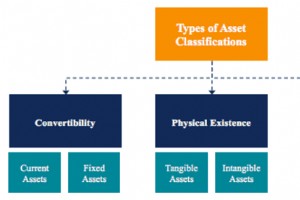
Any organization that utilizes asset tagging to manage physical assets needs a clearly defined, efficient process for tagging assets as they’re acquired and monitoring assets throughout their usable life. What is Asset Tagging? Asset tagging is the process of affixing identification tags

For busy warehouse managers, the prospect of performing an inventory audit may be a daunting task that might inspire them to cut corners. Though it’s only natural for workers in this important position to desire to place their focus solely on day-to-day operations, neglecting the hard dat
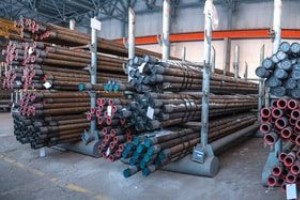
If your company deals in oil and gas, then you know just how challenging it can be to manage every asset efficiently – especially considering assets in the gas and oil industry tend to be a) very pricey and b) heavily regulated. Having said that, the two aforementioned points serve as prime rea
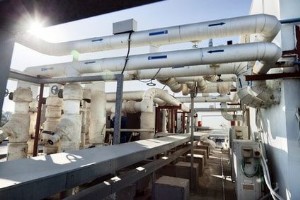
Leak detection and repair, otherwise known as LDAR, is an integral part of any oil, gas, or chemicals business. The guidelines, which were originally instituted by the EPA via the Clean Air Act, were meant to rein in potentially deadly and destructive volatile organic compounds (VOCs) and volat
Industrial Technology