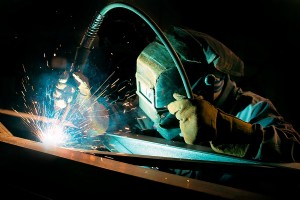
Industrial manufacturing
Industrial Technology


The purpose of Hybrid manufacturing is to combine the strengths of additive manufacturing (AM) with the subtractive machining. Using a single machine, it creates the ability to produce finished parts in the same machine using both processes. Hybrid manufacturing joins the best features of traditiona
Hybrid manufacturing is a combination of additive manufacturing (AM) and subtractive manufacturing within the same machine. Both processes on their own have remarkable capabilities, but when combined, it opens up a whole new level of design and manufacturing. Today, we mostly see hybrid systems
Coronavirus is here. And while our doctors and nurses fight the virus on the front lines, many of us are wondering what we can do to help. As manufacturers, we make stuff. And ventilators are in short supply. The manufacturers that make ventilators are trying to ramp production as quickly as possib
Rapid advancements and changes in technology are challenging how machine shops run. Maintaining the status quo and not adapting and embracing these new developments, will leave you behind. In this era of what has been coined as Industry 4.0, there is a fundamental shift towards digital industrial te
Q&A with Cullen Morrison, Regional Sales Manager at YG-1 From the beginning of the COVID-19 pandemic, companies have been grappling with supply chain disruption. The virus started in China, where a lot of global companies have anchored their supply chains. Right away, companies started see
Unlike one-time cost savings like a staff reduction or cutting advertising spend, increasing efficiency delivers cost savings over the long term. That makes efficiency gains an attractive option for many shops looking to cut costs during COVID-19. We recently interviewed machine shop efficiency expe
In the demanding environment of machine shops, environmental health and safety (EH&S) professionals have one of the most important and challenging jobs. They ensure workplace and personnel safety. NFPA regulates overall building fire protection, including sprinkler systems and building alarms. &
As a health and safety professional in a machining environment, you must consider dangers in and around the shop to ensure the workplace and employees are safe and productive. CNC machines themselves pose numerous hazards due to the amount of moving parts, size, high-speed movements, and sharp tools
Dust collectors are a necessity when it comes to day to day operations in many industrial applications to keep facilities clean and workers safe. While necessary, dust collectors also pose a risk of fire. It is important to understand why these fires start and how to mitigate the risk in order to ma
There is an inherent fire risk for dust collectors. Class A and Class B particles provide fuel, oxygen rapidly replenishes, and friction or sparks create heat which completes the fire triangle and ignites a fire. Automatic fire suppression systems provide fire protection and minimize damage caused b
Every year Modern Machine Shop sends out a nationwide survey to understand how machine shops are running. They use the data to analyze the current landscape and provide best practices for the shop floor. This data shows what top shops around the country are doing to improve profitability, and produc
When it comes to fire incidents, it is imperative to get the machine shop back up and running in a timely matter. Downtime presents a significant loss in revenue, even before accounting for any repair or replacement costs. Your response to a fire is critical. We have outlined three key guidelines to
With added competition in the machining space, the demand for more complex parts, and the expectation of shorter lead times, automation is on the rise in machine shops. Although automation and the use of robots in manufacturing processes have been around for over 30 years, the digital age is making
According to the TopShops survey, 30 percent of the shops polled have already implemented some connectivity while of the remaining shops; three-quarters plan to begin implementing within the next few years. Moving to connecting machines is due in part because we are entering into Industry 4.0, an in
Coolants are an instrumental part of machining, including grinding, milling, and turning. They help extend tool life and provide an improved surface finish of the parts being machined. Understanding the role and types of coolant help you select a coolant that is the right fit for your machine and op
Between $100M-$500M worth of machine value is lost each year due to improper machine coolant management. Coolant management mistakes can decrease the working life of a machine up to 10% per year. Having a robust coolant management plan keeps your coolant from going bad and significantly reduces lost
Many machine shops never recover after a fire while others, even those that incur significant fire damage, get up and running successfully. What sets these two types of shops apart? Recovery and disaster planning are contributing factors. Having a fire recovery plan in place is crucial to ensuring
All good things come to an end, and this is no different when dealing with machine coolant. Eventually, even with the best coolant management plan in place, coolant will go bad and requires removal and replacement. Once the coolant reaches its useful life, it needs to be disposed of appropriately. I
Fire suppression systems installed on CNC machines protect machines, employees, and the surrounding manufacturing area. As a member of the machining community, we understand that if you’re not up and running, you’re losing money. To make sure you’re running the most profitable business, you can asse
When it comes to your machine shop, productivity and safety are most likely your top priorities with regards to day-to-day operations. Did you know that machine shops lose around $50 billion annually due to unplanned downtime/delays? Putting in place proper fire protection equipment in your machine
Industrial Technology