



Rapid Prototyping of a Bike‑Mounted Fishing Rig: From CAD to the Water
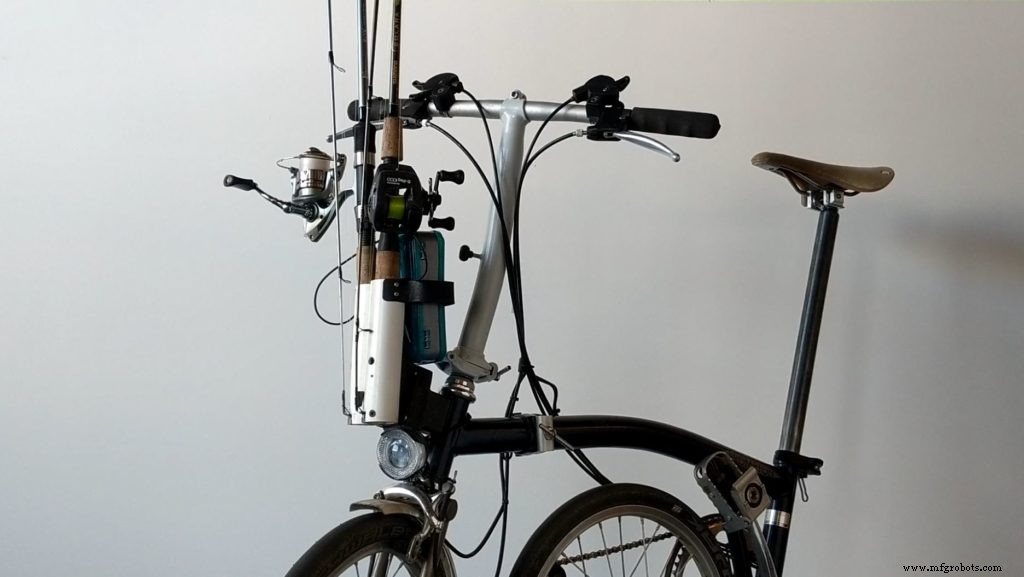
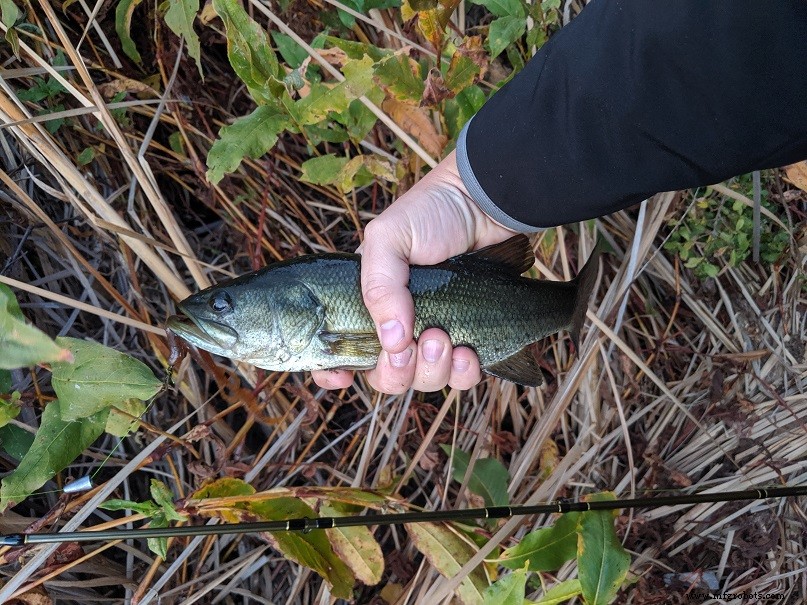
During the COVID‑19 pandemic, the dramatic drop in Bay Area traffic unexpectedly opened new opportunities for outdoor recreation. This change allowed me to take a shorter, scenic route to work that passes by Vasona Reservoir in Los Gatos, sparking an idea to combine my commute with evening fishing trips.

To maximize time at the lake, I decided to bring a Brompton folding bike—a lightweight, highly engineered platform that fits easily in my car’s trunk. The challenge was mounting fishing rods and a tackle box without compromising the bike’s folding mechanics or rider safety.
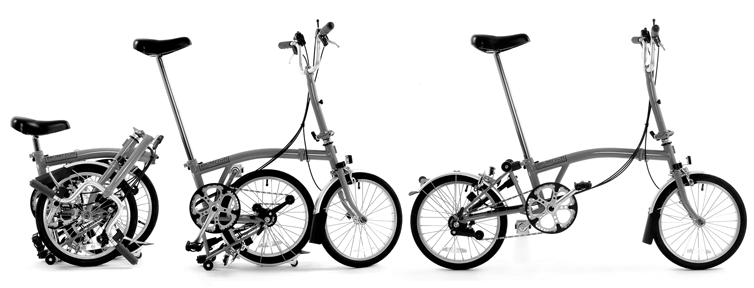
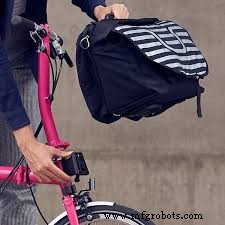
Commercial rack options often require tools to install and remove. Fortunately, Brompton’s built‑in "carrier block" can securely hold a line of bags, providing an ideal attachment point for a custom rig. With this mount in place, I began planning the design.
While SolidWorks can expedite the creation of 3‑D models, my primary goal was to validate fit, function, and ergonomics quickly. I opted for a modular approach, separating the design into three independent sub‑assemblies: bike mounting, rod retention, and tackle box storage. This strategy reduces iteration time and allows each component to evolve without impacting the others.
To keep costs low and iterations rapid, I built a physical prototype directly in the workshop using only a tape measure, calipers, a bandsaw, and a belt grinder. In roughly two hours, I produced a functional rod holder that integrated seamlessly with the Brompton’s carrier block. The first test ride revealed a critical ergonomic flaw: the rods were positioned directly in front of the rider’s face. The issue was immediately addressed by adjusting the mounting angle and adding a simple wedge to reposition the rods safely.
After refining the rod retention mechanism and thermo‑forming a Kydex housing for the tackle box, the rig was fully operational and ready for lake testing. This hands‑on prototype not only confirmed the concept’s viability but also established a solid foundation for a future injection‑molded product. By measuring key dimensions on the finished prototype, I can now generate precise CAD drawings with minimal additional effort.
For teams looking to develop similar multifunctional bike accessories, this case study illustrates the value of combining quick physical prototyping with thoughtful modular design. By prioritizing real‑world testing over virtual simulation, designers can catch usability issues early, reduce production risk, and accelerate time to market.
Manufacturing process
- Titanium: From Its 18th‑Century Discovery to Today’s High‑Performance Applications
- Designing Transparent Plastic Components for Optimal Performance
- Choosing the Best Industrial Product Design & Development Company
- Retrieve Current Date and Time in Python: A Practical Guide
- Designing Thermoset Composite Parts: A Practical Guide & Infographic
- Wrench Time: Definition, Importance, and Measurement
- Idle Time: What It Is, How to Measure It, and Proven Strategies to Reduce It
- Understanding Gating Systems in Casting: Types, Design, and Best Practices
- Master CNC Part Design: Expert Tips & Techniques
- Professional Burr & Edge Removal Techniques for Precision Machining Parts