



Sonos S5 Speaker Teardown: Inside the Design of a Premium Home Audio Device
The Sonos S5 Zone Player is a premium wired‑wireless speaker that streams audio from a wide range of devices and services. In this article we dissect a unit we acquired during a prior project to reveal the mechanical design choices that underpin its performance. Keep reading for a detailed teardown.
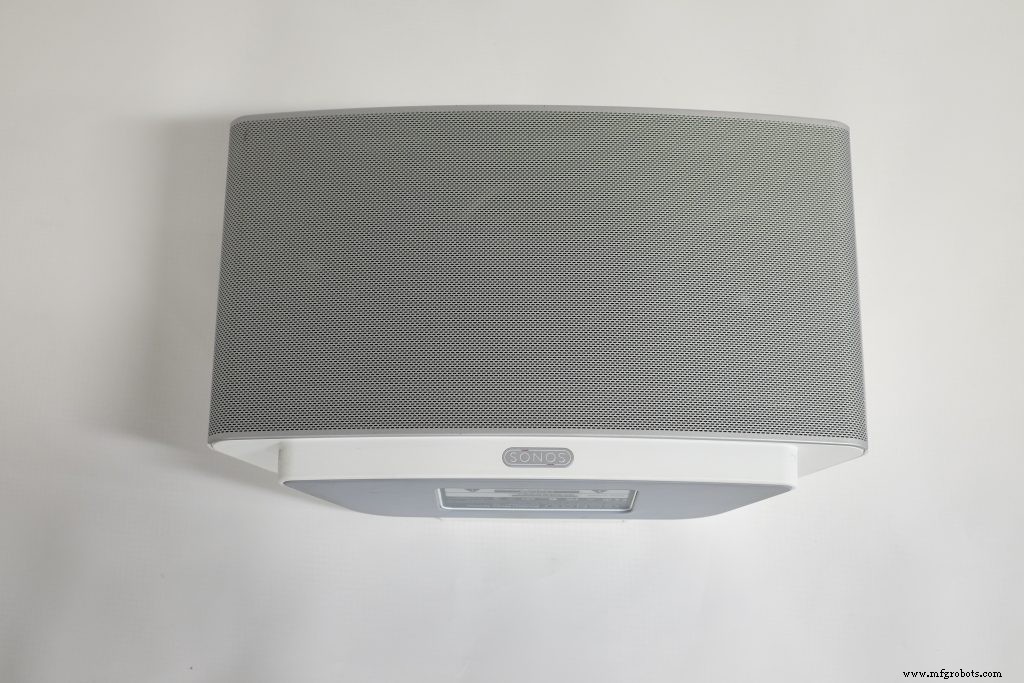
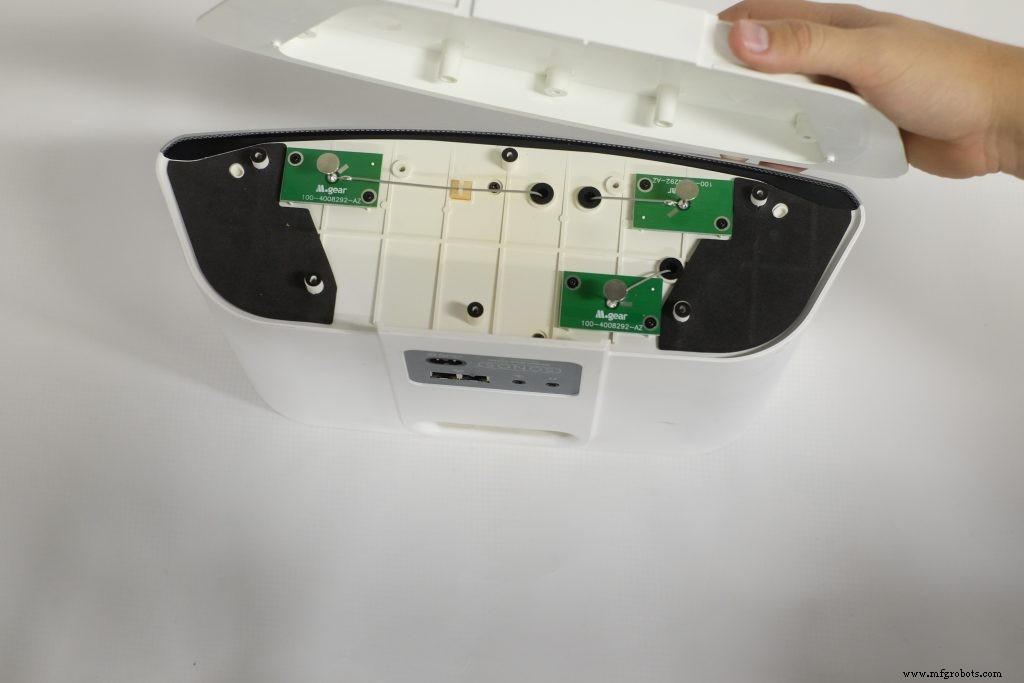
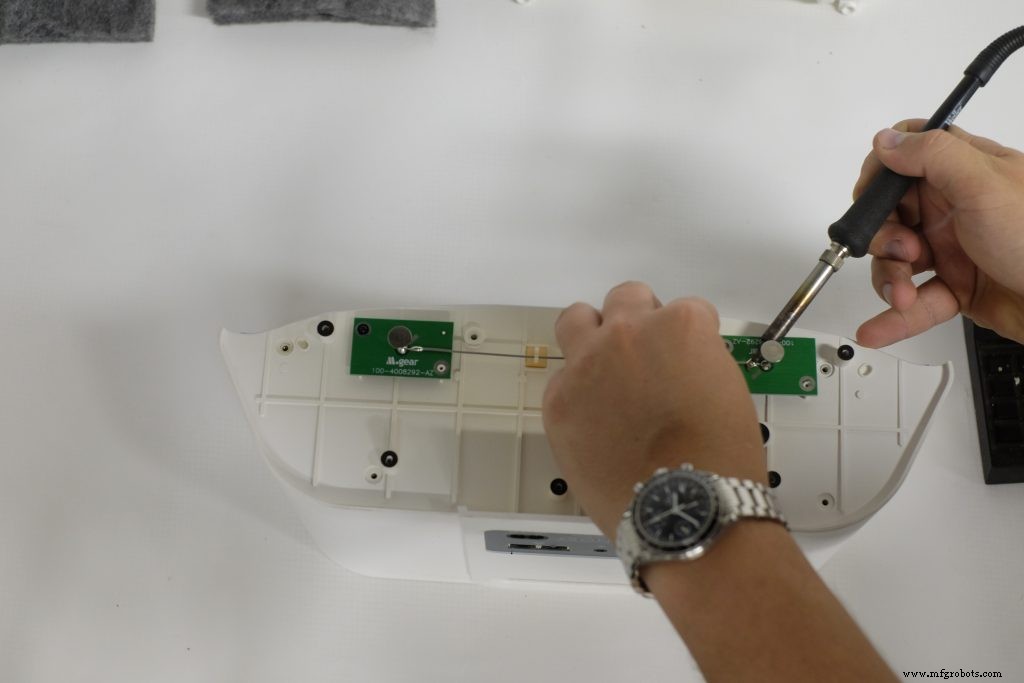
At first glance the S5’s exterior is deceptively simple—no obvious fasteners, only a large silicone rubber pad on the bottom that conceals eight recessed screws. Removing the pad exposes the base and reveals three antennas that connect the device to SonosNet, a mesh‑networking protocol that can support up to 32 devices in a home.
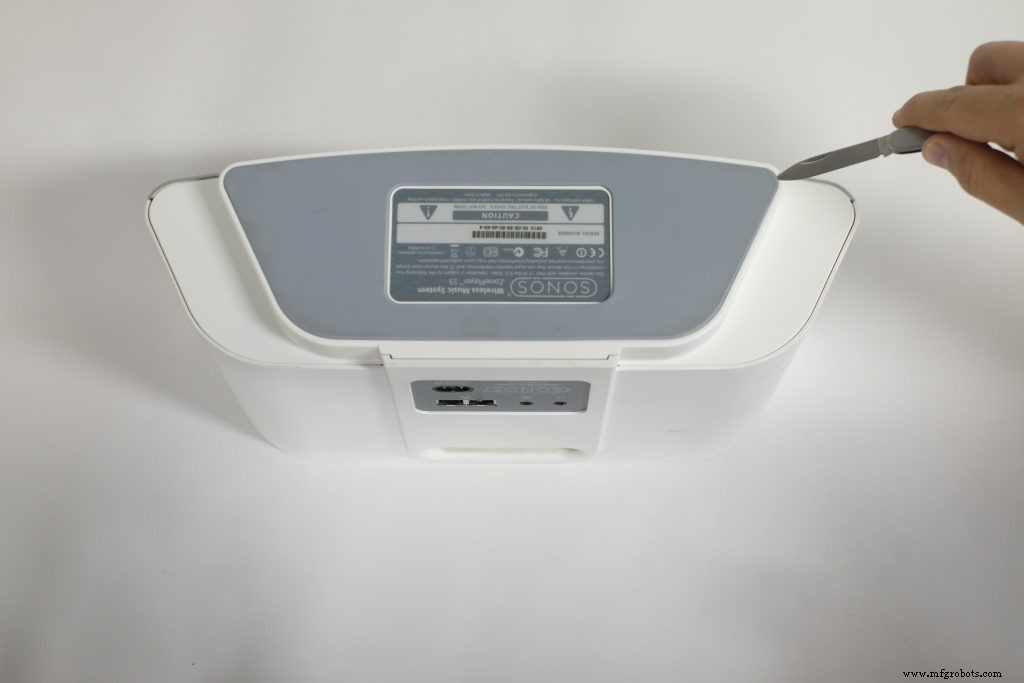
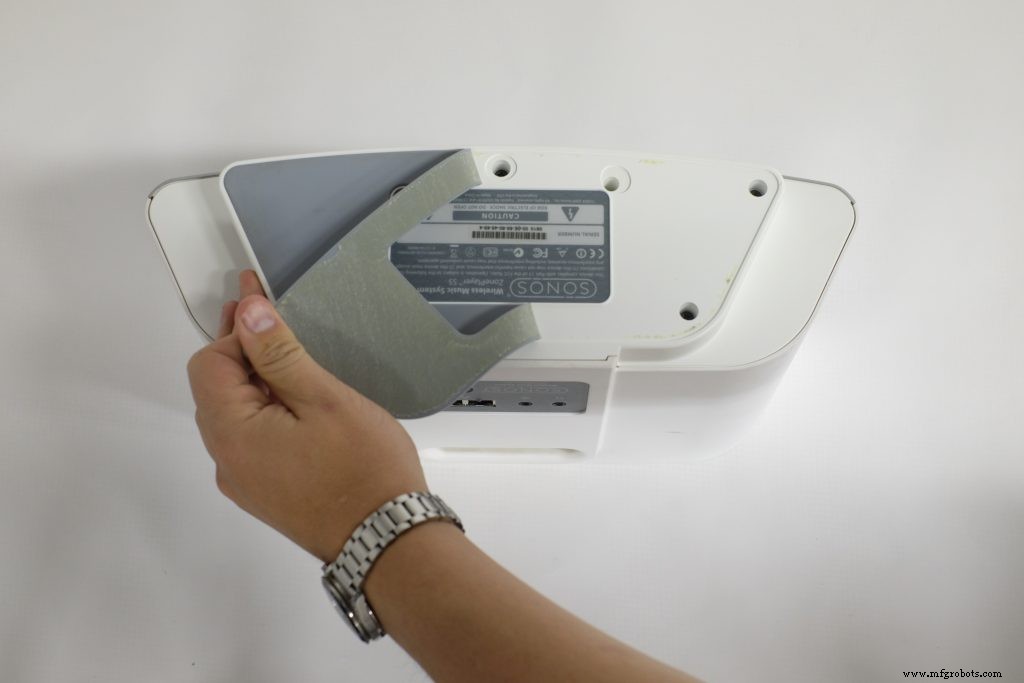
Interestingly, the underside of the main housing shows a slightly different paint color, indicating the component is painted rather than color‑matched in raw plastic. This approach reduces cost and ensures minor scratches are less noticeable.
After removing the bottom screws, the next step is the front grill. It snaps into place and is secured with hook‑and‑loop adhesive to prevent rattling—a critical consideration for audio equipment. The grill itself is held by eight additional screws that allow access to the front panel and drivers.
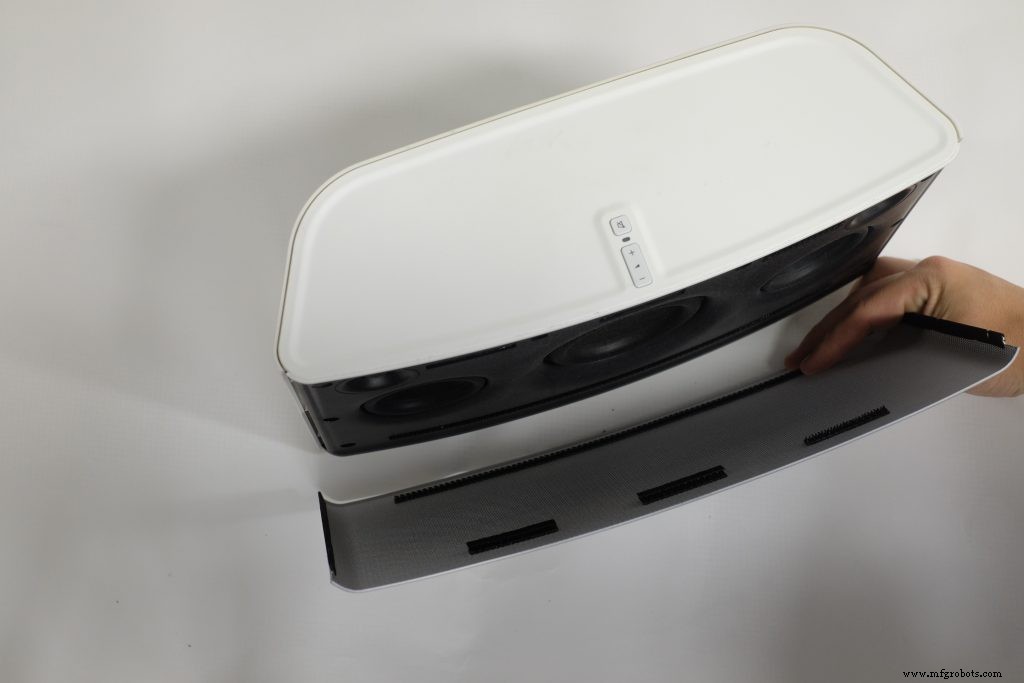
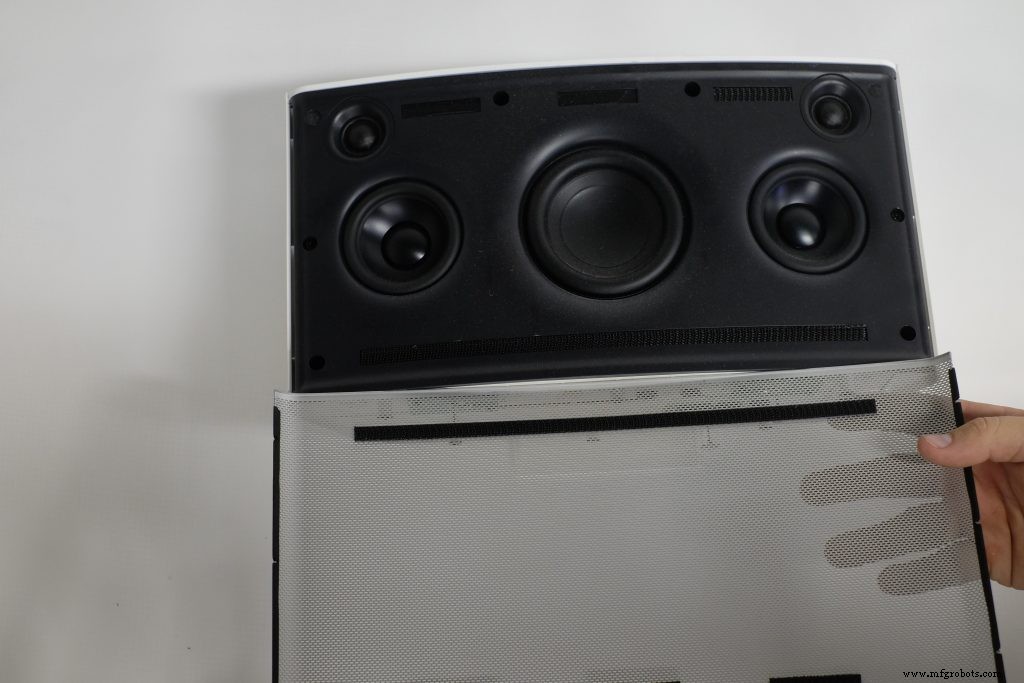
The front panel is sealed with a foam gasket that runs the full perimeter, providing acoustic isolation and a sealed chamber that enhances low‑frequency response. Behind the sub‑woofer, a carefully engineered porting system—six parts glued or welded together—creates the necessary acoustic length without increasing the unit’s footprint.
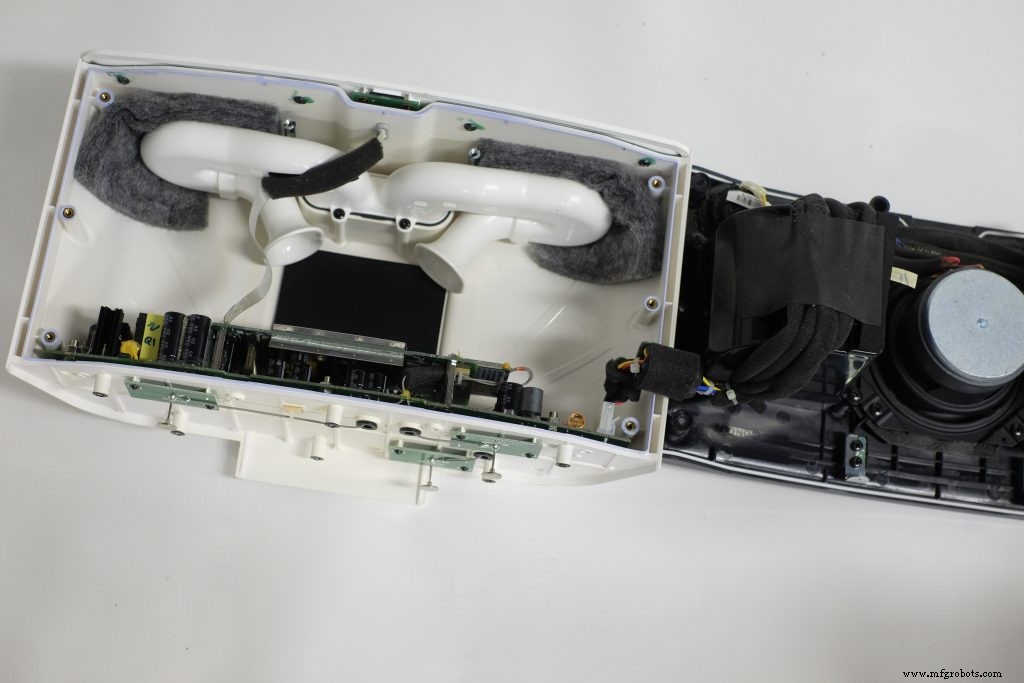
Detaching the speaker sub‑assembly is a matter of unplugging a single multi‑pin connector. With the board free, we turn to the rear of the housing. Removing the rear sticker reveals additional fasteners that secure the I/O components to the back of the main chassis.
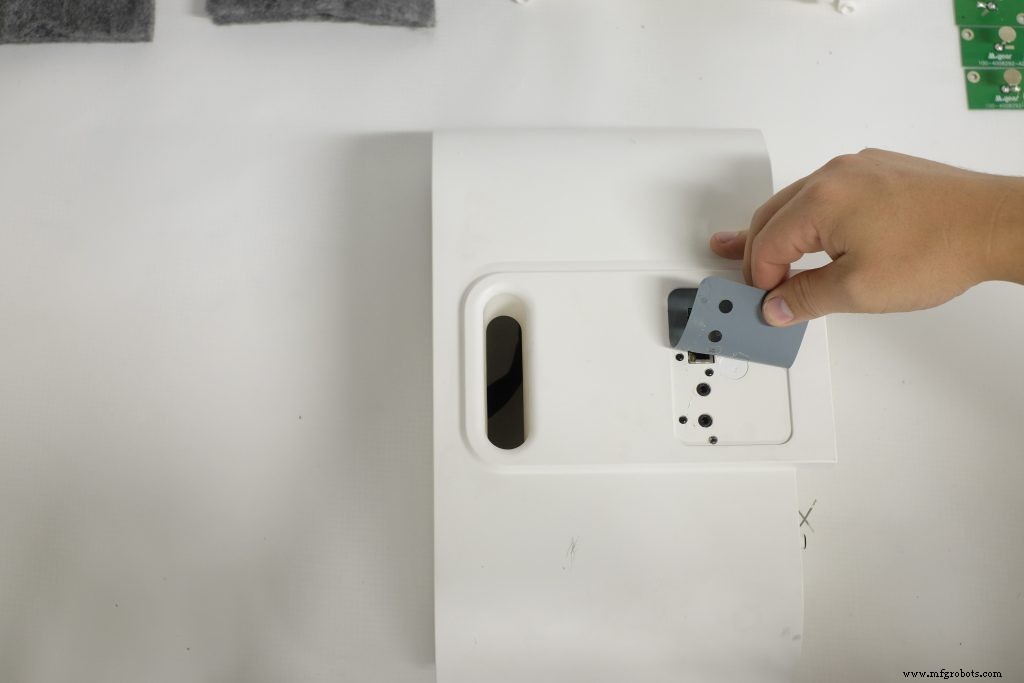
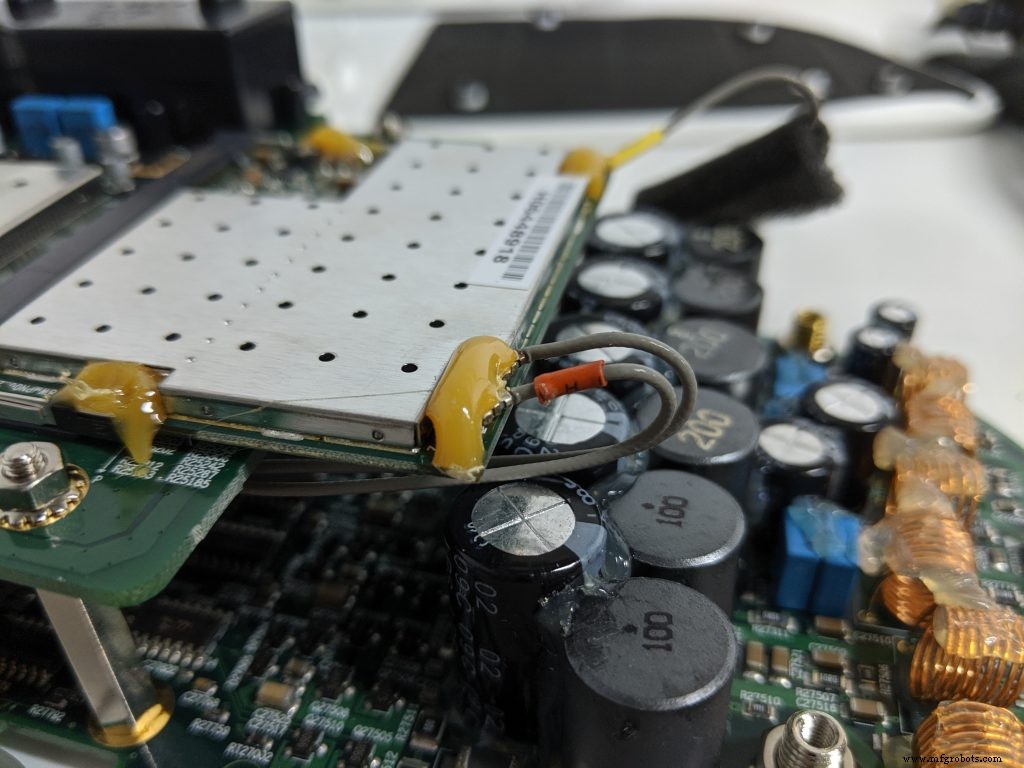
The PCB stack is still held in place by the three antenna wires that enable SonosNet. These wires are glued to the main board, so we remove them first before extracting the PCB assembly. Using standoffs and board‑to‑board connectors means the entire PCB stack can be assembled and tested independently, saving time if a module proves defective.
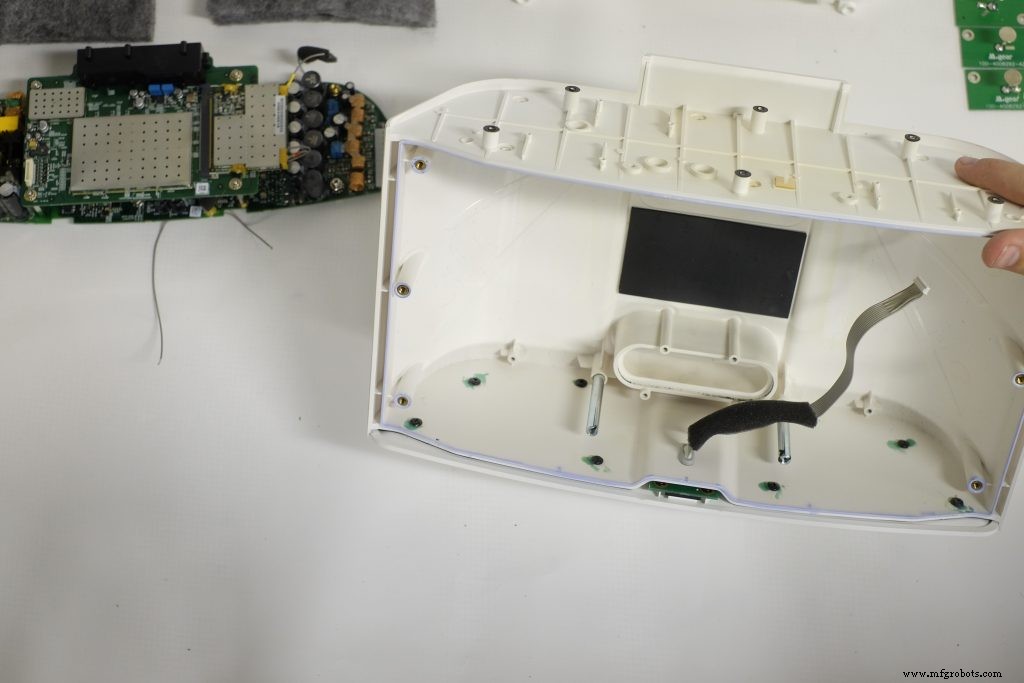
With the PCB removed, the eight short screws that hold the top cover are accessible. The top panel uses Philips screws—despite the housing’s design constraints—because a single‑piece top would have thickened the wall and compromised the device’s aesthetic. The use of two foam inserts further reduces vibration and rattling.
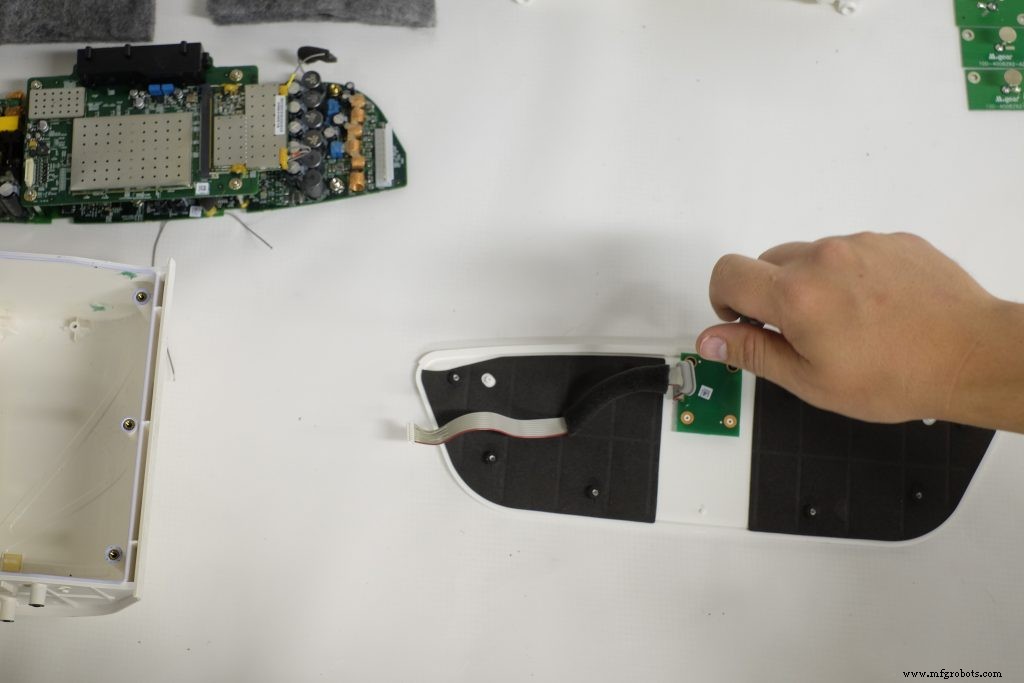
Below the top lies a compact UI board that houses three buttons and a single ribbon cable to the main PCB stack. The buttons feature a clear silicone overlay with conductive pads that act as light pipes for the mute and status LEDs.
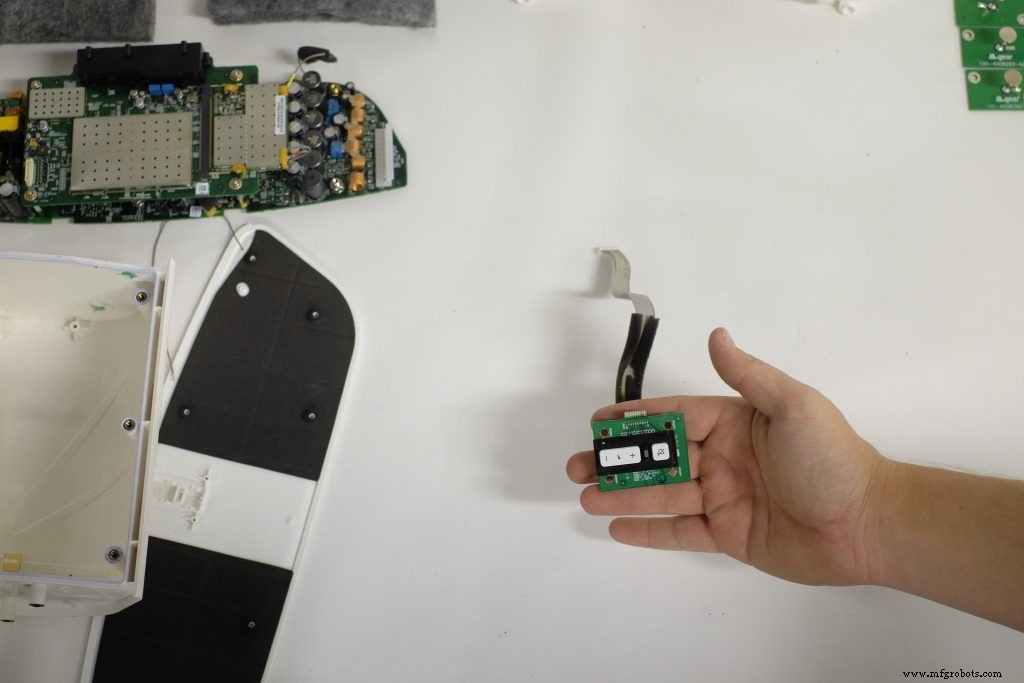
Overall component counts:
- 78 fasteners (7 unique types)
- 20 custom die‑cut foam pieces
- 12 custom injection‑molded parts
- 3 custom metal components
- 6 PCBs
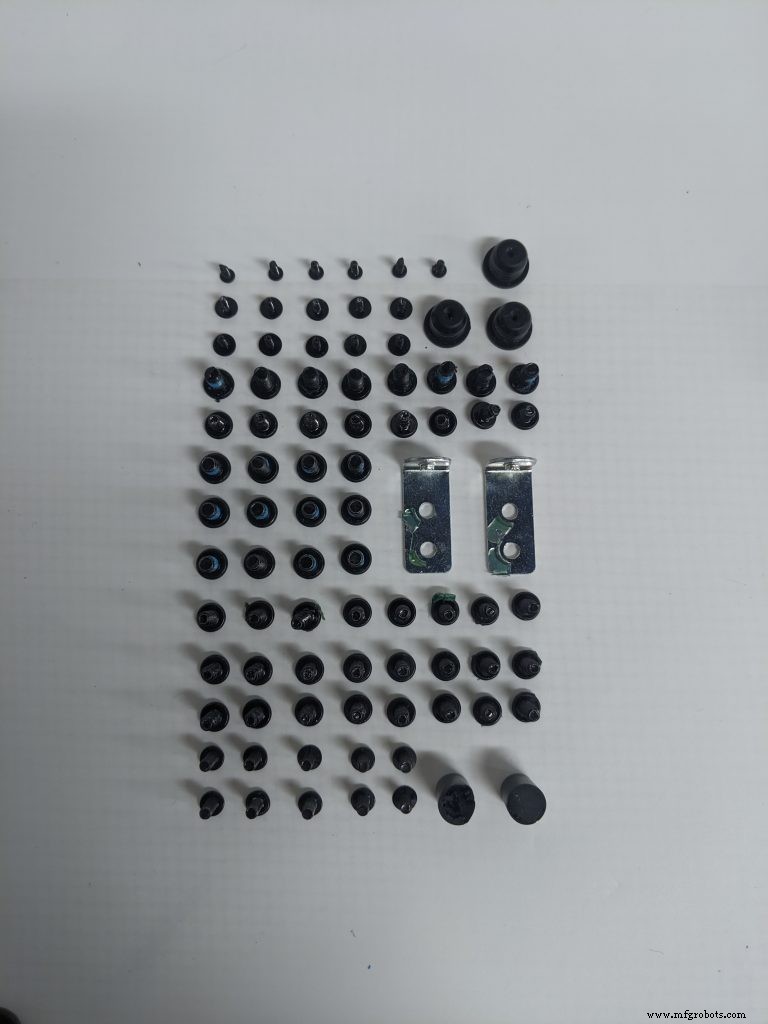
We’re impressed by the limited number of custom plastic parts—only four for the main housing—thanks to straight‑pull designs that keep molding costs down. While the variety of fasteners does increase assembly effort, it’s a deliberate choice for robustness and serviceability in a high‑end product. The extensive use of custom foam parts reflects the company’s focus on acoustic performance, justifying the tooling investment.
The S5 is engineered for the mid‑to‑high‑end home‑audio market, offering premium sound quality but requiring a relatively labor‑intensive assembly process that may limit scalability at ultra‑high volumes.
Watch the full teardown video below for a visual walkthrough, and stay tuned for deeper dives into design‑for‑assembly and mold‑ability in future posts.
For additional in‑depth teardowns, see George’s posts on the Illuminated Ping Pong Paddle and the Custom Coffee Grinder.
Manufacturing process
- Overcoming Hurdles in New Product Development: A Proven Blueprint
- Mastering Product Design: Proven Strategies to Overcome Common Challenges
- DVD Players: History, Technology, and Future Innovations
- Player Piano: Merging Acoustic Tradition with Automated Precision
- Compact Disc Player: Accurate, Wear‑Free Digital Audio Playback
- How to Play Audio with Arduino UNO and DFPlayer Mini – Step‑by‑Step Guide
- Arduino Web‑Controlled MP3 Player: Easy Audio Playback via Browser
- Sand Casting Your Product: Expert Techniques for Precision Metal Parts
- New Product Development (NPD): Turning Ideas into Market Success
- Nearshoring & Reshoring: The Key Benefits Fueling Ongoing Expansion