



Temporary Tattoos: From Artistry to Advanced Manufacturing
Background
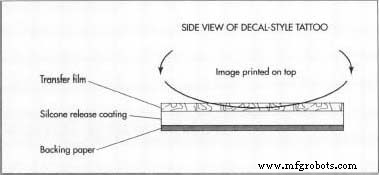
Temporary tattoos are decorative designs that can be applied to the skin for a limited time. Most are created using a special decal that is printed onto paper coated with a transfer film. When the film is moistened, the image slides off the backing paper and adheres to the skin. Once the film dries, it remains visible through several washings.
For centuries, cultures worldwide have used skin decoration for religious, cultural, and artistic purposes. Traditional tattooing, which injects dye directly into the dermis, remains popular but can be costly, time‑consuming, and painful. Temporary tattoos offer a convenient, low‑risk alternative that allows individuals to experiment with style and expression.
Temporary designs can be produced by hand or through decal application. Hand‑drawn tattoos require skilled artists and water‑insoluble dyes, producing images that are easy to remove. Decal‑style tattoos, however, are printed on pre‑coated paper and can be applied and removed with soap and water, making them ideal for quick changes and for users of all ages.
Raw Materials
Stencil Materials
Screen printing uses stencils made from nonporous paper or plastic coated with lacquer, gelatin, or a glue‑tusche blend. These stencils block ink in specific areas, allowing the ink to pass only where the image is desired.
Inks
Temporary tattoo inks must meet the same safety standards as food, drug, and cosmetic colorants, governed by the FDA. Pigments can be dispersed in water, alcohol, or oil, depending on solubility. Drying agents and extenders are added to fine‑tune drying times and film strength.
Backing Paper
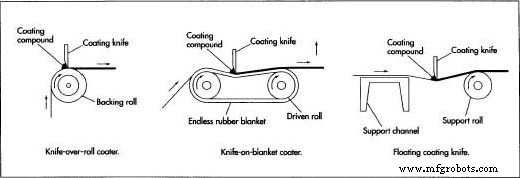
Paper is the preferred substrate because it offers excellent print quality and handling. The backing paper is coated sequentially: a sizing agent to adjust stiffness, a non‑stick silicone release layer to aid separation, and a transfer film (gelatin or polymeric like polyvinyl alcohol) that receives the printed image. The coating process involves rollers, knife cuts, and heat tunnels to achieve uniform thickness and rapid drying.
The Manufacturing Process
Stencil Preparation
- 1. The image outline is cut into the gelatin or lacquer layer, exposing the areas to be printed. The stencil is then adhered to the screen with a solvent and dried, leaving only the film layer. The exposed sections allow ink to pass through during printing.
Screen Printing
- 2. The screen—made of fine woven fabrics or stainless steel mesh—is fitted with the stencil. Ink is forced through the stencil using a rubber squeegee. Because each color requires a separate pass, the inks are layered in reverse order, from background to detail, to create a multi‑layered tattoo.
Finishing Operations
- 3. If desired, an additional film‑forming layer seals the image. The sheets are then cut, rolled, or slit into individual tattoos. Final products are packaged to protect the transfer film from moisture, which could cause premature softening.
Transfer Process
- 4. To apply, lightly dampen the skin and press the backing paper firmly. The film softens within one to three minutes, then separates cleanly from the paper, leaving a clear, durable image on the skin.
Quality Control
High quality temporary tattoos require meticulous stencil preparation, clean screens, and properly compounded inks. Even coating of sizing agents, silicone release layers, and transfer films ensures smooth printing and reliable transfer. Post‑manufacturing packaging must shield the product from moisture to prevent ink bleeding or film softening.
Byproducts/Waste
The decal manufacturing process generates waste such as excess lacquer, gelatin, paper, and inks. Depending on solvents used, some waste can be flammable or hazardous. Paper waste can often be repulped—shredded, washed, and re‑cast—before reuse. All waste must comply with local and federal disposal regulations.
The Future
Advancements in printing technology, including ink‑jet and computer‑aided systems, promise faster, more precise decal production. However, challenges remain: skin movement can cause micro‑cracks in the transfer film, degrading image quality. Recent patents suggest using alcohol‑soluble, water‑insoluble dyes and specialized transfer solutions to preserve film integrity. Another innovation involves a translucent adhesive substrate that holds the image in place, extending wear time with minimal quality loss.
Emerging temporary tattoo methods, such as Mehndi (Indian/Pakistani henna body painting) and UV‑blocking stickers that create tanned contrast, are gaining popularity. While Mehndi offers intricate, natural designs, UV‑blocking stickers produce simple monochrome images suitable for sun protection.
Manufacturing process
- Paper Clip: From Invention to Industrial Staple
- The Art and Science of Tattoos: History, Techniques, and Care
- Litmus Paper: History, Chemistry, and Modern Applications
- Toilet Paper: From History to Sustainable Production
- The Art and Industry of Gift Wrap: From History to Production
- The Envelope: History, Production, and Future of Paper Packaging
- Correction Fluid: Composition, Production, and Future Trends
- Wallpaper: From History to Modern Manufacturing and Quality Assurance
- From Ancient Papyrus to Modern Recycled Papers: The Complete Guide to Paper Production
- Carbon Paper: History, Materials, and Modern Manufacturing