



14 Essential Maintenance Tips for Mini Excavators
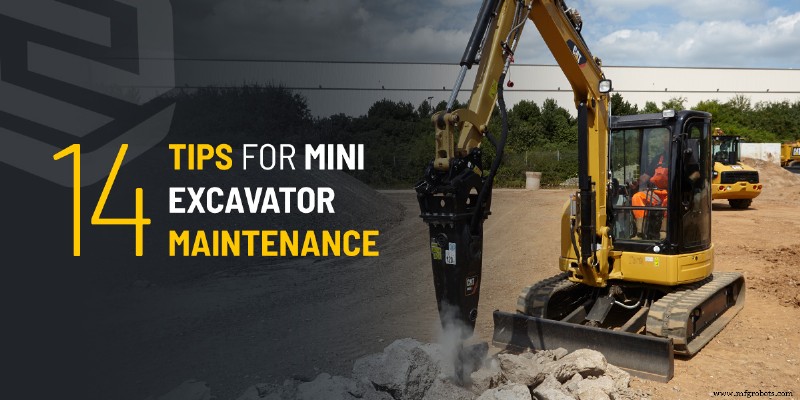
Mini excavators, also known as compact excavators, are the workhorses of modern construction sites. Contractors rely on them for digging, drilling, and material handling across a wide range of projects. Their compact size and agility make them indispensable in construction, demolition, and farming operations.
Even though mini excavators are built to withstand tough jobs, they still demand consistent care to keep them operating at peak performance. A disciplined maintenance routine prevents costly downtime and extends the life of the machine. The following guide delivers 14 actionable tips to help you keep every component of your fleet in top shape.
14 Essential Maintenance Tips for Mini Excavators
Mini excavators come in various models, but many maintenance tasks are universal. By following these 14 steps, you’ll ensure reliable performance, safety, and longevity for each unit.
1. Train Your Operators Effectively
Preventative maintenance starts with knowledgeable operators. Provide hands‑on training that covers daily inspections, fluid checks, and the identification of common issues such as loose bolts, frayed belts, or clogged filters. A well‑trained crew can spot problems early and reduce the need for expensive repairs.
2. Follow a Routine Maintenance Schedule
Adhering to a schedule defined in the manufacturer’s service manual keeps everyone on the same page. Typical intervals include:
- Daily: Verify fluid levels, inspect connections, and ensure attachments are greased.
- Weekly: Grease the slew‑ring bearing, and check track tension and drive belt condition.
- Every 6 months: Have a certified technician perform a comprehensive inspection.
- Every 2 years: Clean fuel injectors and conduct any major system overhauls.
Schedule Your Service
3. Examine the Hydraulic Cylinders
A daily walk‑around is the first line of defense against accidents. Start by inspecting the hydraulic cylinders—check rods, seals, and linkage for wear or damage. A healthy hydraulic system is essential for safe attachment operation.
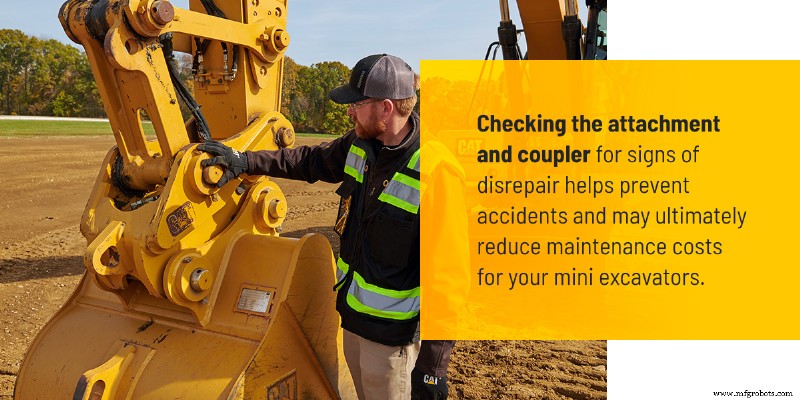
4. Inspect the Attachment
Next, evaluate the attachment and coupler for rust or structural compromise. Replacing any weakened parts immediately prevents additional stress on the excavator arm and reduces future maintenance costs.
5. Open the Side Hood
Open the side hood to inspect the hydraulic tank, tubes, hoses, and plugs. Look for leaks, cracks, or loose fittings. Promptly address any deficiencies to maintain hydraulic integrity.
6. Inspect the Fuel Water Separator
Check the fuel water separator for moisture. A clear bowl with a red ring that floats indicates water presence—replace the filter or address the source to avoid engine damage.
7. Check the Cooling System
While the hood is open, examine the cooling system for leaks, damaged hoses, or debris buildup. Clean or replace components as needed and confirm that coolant levels meet the manufacturer’s specifications.
8. Grease Pivot Points
Daily greasing of pivot points on the arm, bucket, and other moving parts extends component life and keeps the machine running smoothly. Skipping this step can accelerate wear and lead to costly downtime.
9. Examine the Engine Compartment
Lift the engine hood and clear any debris. Tighten the oil cap, inspect belts for wear, and replace any that are frayed or broken. A clean engine bay helps prevent overheating and mechanical failure.
10. Check Fuel Levels
Always operate with adequate fuel and hydraulic oil. Verify levels against the manufacturer’s recommendations before each job to avoid engine starvation or hydraulic system damage.
11. Check Air Filters
Air filters should be inspected weekly, or more frequently on dusty sites. A clogged filter can reduce engine efficiency and increase wear. Replace as needed to maintain optimal airflow.
Buy Air Filters Online
12. Examine the Tracks
Inspect tracks for rocks, damage, and proper tension. Remove debris, replace worn tracks, and adjust tension daily if the machine operates on rough terrain. Proper track management reduces tire wear and improves traction.
13. Inspect the Cabin
Operator safety starts in the cabin. Perform the following checks:
- Secure the fall‑protection structure and tighten loose bolts.
- Remove trash from under the floorplate and inside the cabin.
- Replace any broken switches or controls.
- Clean mirrors and verify they are free of cracks.
- For enclosed cabs, wipe windows clean for clear visibility.
14. Use Telematics
Telematics systems give you real‑time visibility into machine health. Alerts for fluid levels, component wear, and upcoming service intervals help prevent unexpected breakdowns and enable proactive scheduling.
With telematics, operators receive on‑board notifications, and maintenance teams can track historical data to plan future service windows. This technology turns routine maintenance into a data‑driven process, saving time and reducing downtime.
NMC Cat for Mini Excavators and Maintenance Services
Consistent maintenance is key to safety and productivity. From operator training to daily walk‑arounds and telematics, a disciplined approach keeps your fleet running efficiently.
In Nebraska, NMC Cat supplies Cat® mini excavators for sale or rent, featuring the latest technology for maximum productivity. Our maintenance partners offer preventative service plans that keep your equipment in peak condition. Contact NMC Cat today for expert guidance and support.

Tags:
Equipment Maintenance and Repair
- Mastering Diamond Tools: Essential Strategies for Fabricators
- Biorigin Implements eMaint CMMS to Optimize Production Tracking
- 5 Proven Steps to Optimize Your Asset Maintenance Process
- Key Metrics for Demonstrating Predictive Maintenance Success
- How Maintenance Teams Can Cut Audit Costs and Pass with Confidence
- Selecting the Optimal Failure Analysis Technique for Reliable Equipment
- Fiix Maintenance Insights – June 2019
- Free Summer Plant Shutdown Inspections for Cable Carriers & Continuous‑Flex Cables
- Eliminating Unsafe Shortcuts: Protecting Employees and Strengthening Business Safety
- Operator‑Involved Maintenance: Do the Gains Outweigh the Hidden Costs?