



Choosing the Right Excavator: Types, Uses, and How to Pick the Best Fit for Your Project
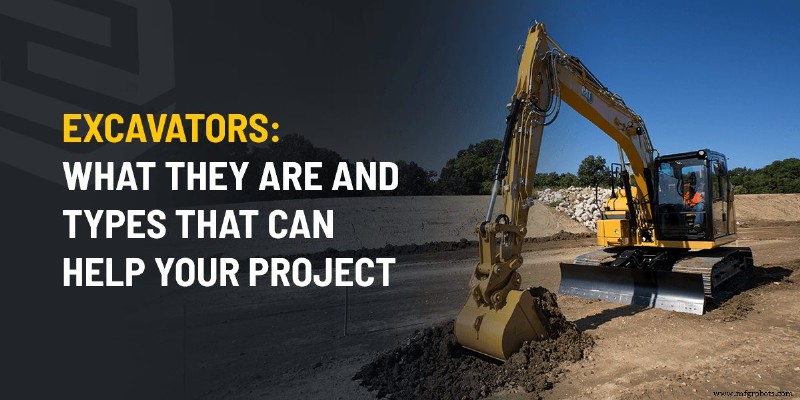
Excavators are indispensable heavy‑equipment workhorses used across construction, mining, landscaping and demolition. Their versatility stems from a modular design that lets operators swap attachments to perform a wide range of tasks.
What Is an Excavator?
Also called diggers, excavators combine hydraulic power with a rotating cabin to dig, lift, and move materials. Key components include:
- Boom: The angled arm that attaches to the machine’s frame. A knuckle boom can pivot horizontally, while a standard boom moves only vertically.
- Dipper (or stick): Extends from the boom and connects to the bucket or another attachment.
- Bucket: The workpiece that can be swapped out for tools such as augers, rakes, or grapples.
- Cab: Enclosed operator compartment housing controls and seating.
- House: Contains the cab, engine, fuel tank, hydraulic reservoir, and counterweights. Many houses rotate 360° for full operator mobility.
With an ever‑expanding range of attachments, a single excavator can be repurposed for almost any job.
Common Excavator Applications
- Landscaping: Mini excavators break concrete, plant trees, build paths, and install fence posts.
- Demolition: Their power and stability make them ideal for tearing down walls and clearing debris from a safe distance.
- Mining: Excavators move earth from shafts, streamline extraction, and handle bulk material efficiently.
- Construction: From trenching to foundation work, they are a staple on nearly every site.
- Material Handling: 360° rotation enables precise lifting and moving of building supplies.
- River Dredging: Dragline models excel at removing silt from large bodies of water.
Choosing the Right Size
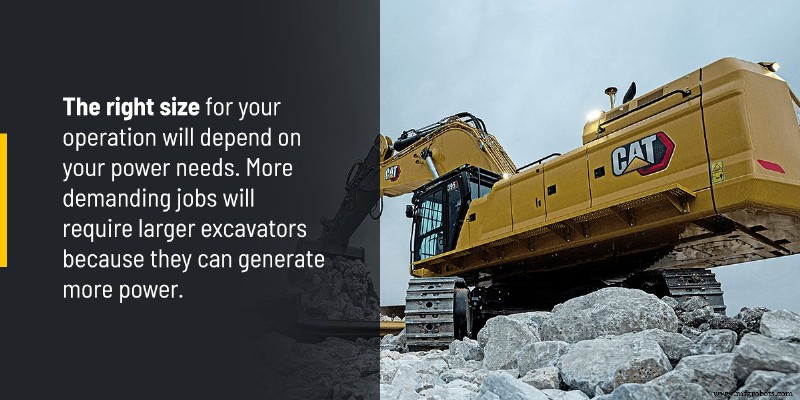
Size categories help you match power to job requirements:
- Mini (2‑10 tons): Lightweight and highly mobile, perfect for tight urban spaces and landscaping.
- Small (11‑18 tons): Provides extra power for light projects without sacrificing maneuverability.
- Medium (20‑35 tons): The most common on construction sites, offering robust digging and lifting capabilities.
- Large (36‑90 tons): Ideal for heavy lifting and bulk earthmoving; fuel‑efficient for large‑scale operations.
Select the smallest machine that can handle your workload to optimize cost and efficiency.
Configuration Options
- Crawler: Track‑mounted for stability on uneven terrain—best for mining and grading.
- Wheeled: Wheels reduce road damage, making them suitable for city jobs.
- Backhoe: A lightweight, versatile model that performs digging, trenching, and soil removal.
- Suction: High‑pressure vacuum and water jets clear delicate underground debris.
- Dragline: Uses a hoist rope system to excavate large swaths—ideal for piling and underwater work.
- Long‑reach: Arms up to 100 feet extend reach for high‑risk operations like demolition.
- Demolition‑specific: Engineered for efficient fuel use and high performance on above‑ground demolition.
- Power shovel: Equipped with a crane arm and counterweight for forward‑scooping heavy material.
Manufacturers offer many configurations, and attachment swaps further expand your machine’s capabilities.
Explore NMC Cat Excavators
Finding the right excavator means matching size, configuration, and attachment potential to your project’s demands. Browse our online catalog of Cat® excavators—both new and used—and contact NMC Cat for expert guidance on selecting the machine that delivers power, precision, and reliability.
Tags:
Equipment Maintenance and Repair
- Electrivert Launches Comprehensive C.A.T. Scan to Boost Manufacturing Efficiency and Reliability
- Hydraulic Institute Invites Qualified Reviewers for Updated ANSI/HI 11.6 Submersible Pump Test Standard
- Streamlining Maintenance Purchases: Avoid the P‑Card Pitfalls with CMMS Integration
- Fluke Accelix: Empowering Enterprise Customers with Seamless Integration
- Investing in Maintenance: A Proven ROI Strategy for Reliability and Capacity Growth
- Maximizing Maintenance Productivity Through Multi‑Skill Training
- 3 Key Reasons to Install a Warehouse Pedestrian Detection System
- Expert Guide to Anaerobic Adhesives and Threadlockers: Applications, Performance, and Best Practices
- How to Use Data and Storytelling to Secure Approval for Your Maintenance Projects
- How Industrial Maintenance Has Evolved: From Reactive to Predictive