



19 Expert Insights on Digital Transformation in Maintenance
Last week, Fiix partnered with the International Data Corporation (IDC) to host a 58‑minute webinar titled “4 Ways Maintenance Will Be a Game Changer for Modern Operations.” The session featured IDC analyst Kevin Permenter and Fiix Solutions Engineering Lead Stuart Fergusson, who unpacked how digital transformation is reshaping maintenance and manufacturing.
Below are 19 distilled takeaways from the discussion, along with practical ways to deepen your understanding of digital transformation in maintenance.
Connecting the Dots on Digital Transformation in Maintenance
1. Shift Your Mindset Toward Maintenance
Maintenance is no longer a reactive afterthought—it’s becoming a core driver of customer experience. Permenter noted that companies now see maintenance as a “boulder causing a tsunami of positive change” rather than a small ripple.
2. The Future of Maintenance, by the Numbers
IDC’s recent report on CMMS software outlines the most significant trends in maintenance technology and the forces propelling them. Explore the full report here.
3. Baby Steps Often Yield the Biggest Gains
A poll of webinar attendees revealed that mobile computing and smart devices are the most common first steps toward digital transformation—an indication that many operations are still working within Industry 3.0 before moving toward Industry 4.0, IIoT, and AI. Taking small, manageable steps can prevent costly growing pains.
Full poll results: 
4. The Maintenance Revolution Has Already Begun
Almost half of respondents had not yet launched any digital initiatives, underscoring that the shift is still underway and that many companies have ample time to catch up.
5. Maintenance Makes the World Go Round
Permenter highlighted the six degrees of separation between maintenance and the end customer. Smooth, well‑maintained equipment is the invisible backbone that keeps production, logistics, and sales flowing to meet “now‑and‑tomorrow” delivery expectations.
6. Digital Transformation Is a Team Effort
While technology is often the headline challenge, staffing and culture are equally critical. Successful transformation requires training, change management, and an organizational culture that embraces new tools.
7. Invest Wisely: Your Money Matters
Companies are spending $394 billion on technology to support strategic asset management. This investment underscores the importance of allocating funds not only to software but also to expertise, training, and ongoing support.
8. Transformation Is Already Happening
Permenter warned against postponing digital initiatives. “It’s already happening, and it’s only going to accelerate,” he said.
9. Navigate the Data Deluge
IDC predicts 80 billion IoT devices will be online by 2025, generating over 180 zettabytes of data. The key to success lies in filtering noise and prioritizing high‑quality data that drives actionable insights.
10. The Status Quo Must Go
IDC research shows manufacturers are prioritizing technology investments over raw production capacity. This shift signals a broader change in manufacturing strategy, with digital tools becoming the new competitive advantage.
11. Maintenance Foundations Remain Steady
Core assets—like conveyor belts—haven’t changed in decades, but the data they produce has. Modern maintenance keeps the same goal: keep assets running, but it does so with richer information.
12. Digital Transformation Is an Ongoing Journey
There is no finish line. New tools, process refinements, and training models continually emerge. Keeping this mindset prevents organizations from slipping back into legacy practices.
13. Technology Alone Won’t Fix Broken Processes
Permenter reminded that new tools are most effective when they’re built upon solid processes and a skilled workforce.
14. Assembly Is Required for Success
Another poll asked which maintenance strategy respondents were pursuing. While 73.7 % focused on preventive maintenance, the broader goal is predictive maintenance—an evolution that requires a solid preventive foundation.
Full results: 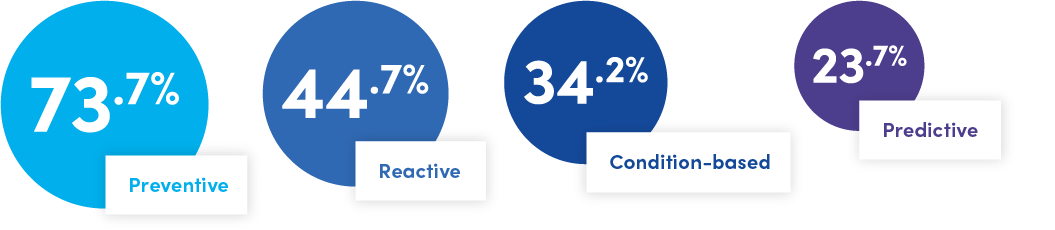
15. Balance Is Key
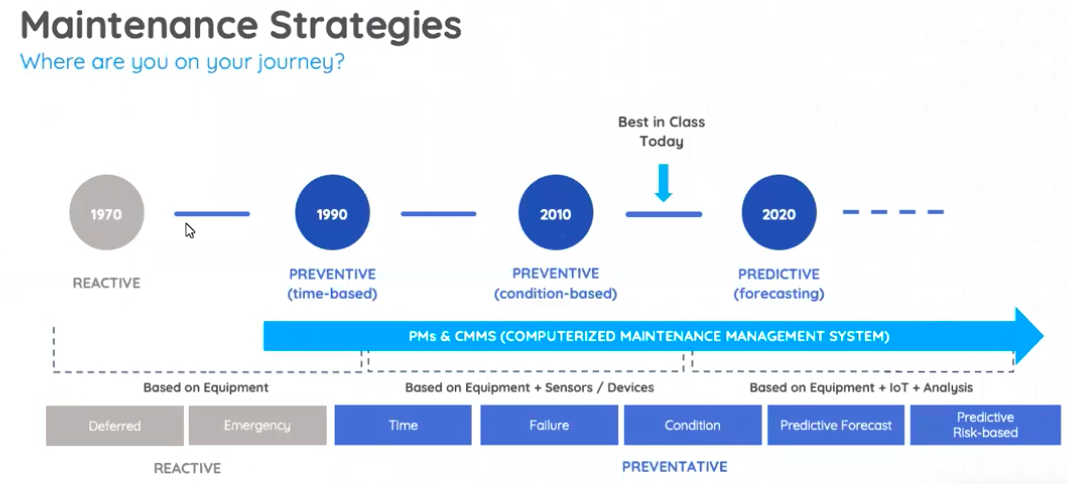
Fergusson emphasized that reactive and preventive maintenance will always coexist. Balancing them with condition‑based and predictive techniques—guided by criticality analysis—yields the most value.
16. Trust Is the Missing Link
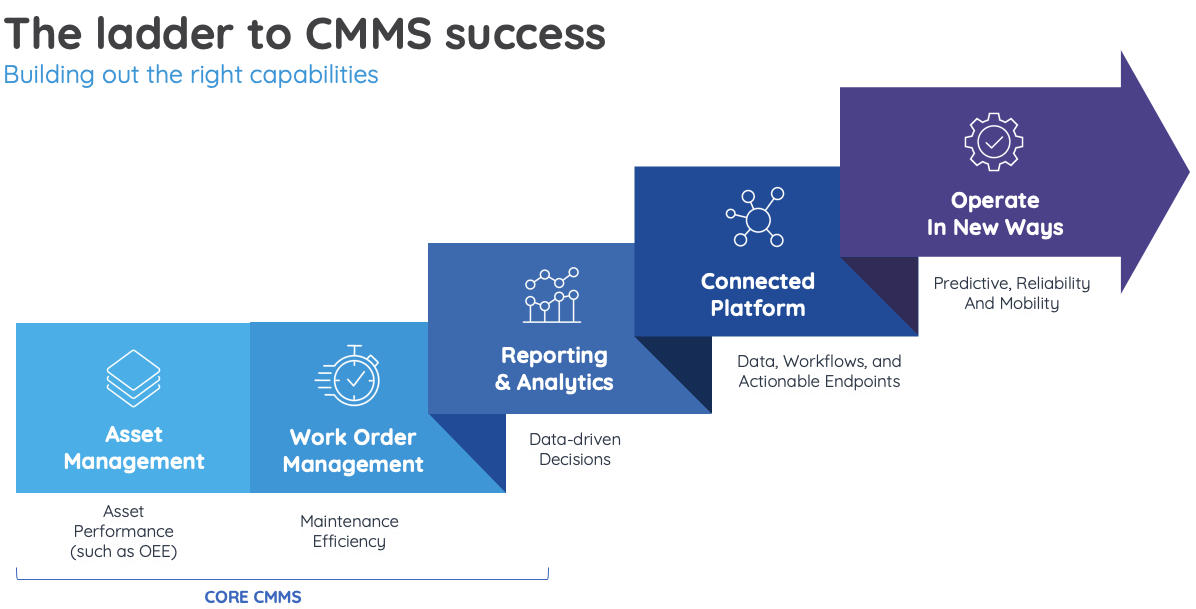
Fergusson outlined a roadmap to long‑term CMMS success: improved asset performance, operational efficiency, and interconnected systems. The missing ingredient that stitches these steps together is trust—confidence in data, processes, and software partners.
17. Collaboration Trumps Lone Effort
Relying solely on in‑house expertise can leave gaps. Engaging with trusted partners offers guidance, reduces risk, and accelerates the journey.
18. Let the Cloud Be Your Safety Net
While concerns about cloud security persist, reputable vendors provide robust backup, fail‑over, and security capabilities that most manufacturing sites cannot build alone.
19. Start with Data and Processes, Then Add Features
When asked how to begin, participants highlighted the importance of clean data and effective processes. Only after these foundations are solid should specific software features be deployed, ensuring that technology amplifies rather than hinders performance.
Equipment Maintenance and Repair
- Is Outsourced Maintenance Right for Your Manufacturing Plant?
- 12 Strategic Insights for Modern Maintenance in Oil & Gas
- Four Key Trends Powering Digital Transformation in Asset Management
- Reliability: It’s Not Just About Maintenance
- How Predictive Maintenance Drives Digital Transformation in Manufacturing
- How Predictive Maintenance Fuels Digital Transformation in Manufacturing
- Digital Transformation Demystified: Expert Insights into Industry Buzzwords
- Strategic Blueprint for Digital Transformation Success
- Overcoming Digital Transformation Challenges in Manufacturing: Strategies for SMB Success
- Predictive Maintenance Software: A Comprehensive Guide for Smart Asset Management