



Run‑to‑Failure Maintenance: When It Makes Sense & How to Plan It
Run‑to‑failure maintenance is a deliberate strategy that only triggers repair when equipment actually breaks. When applied correctly, it can reduce overall maintenance spend while maintaining reliability. Below, we explain when this approach is appropriate, how to plan it, and how a CMMS can streamline the process.
When to Consider Run‑to‑Failure
1. Predictable Failure Probability
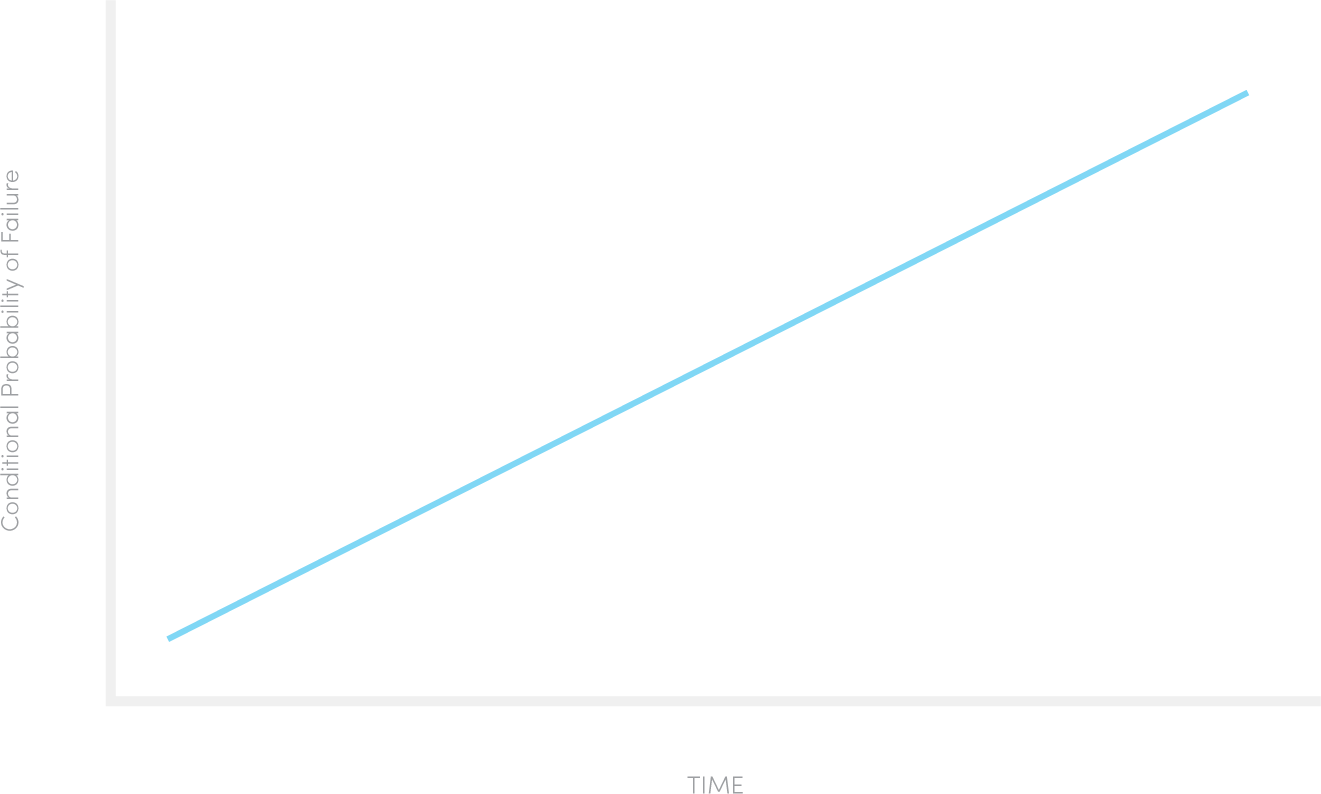
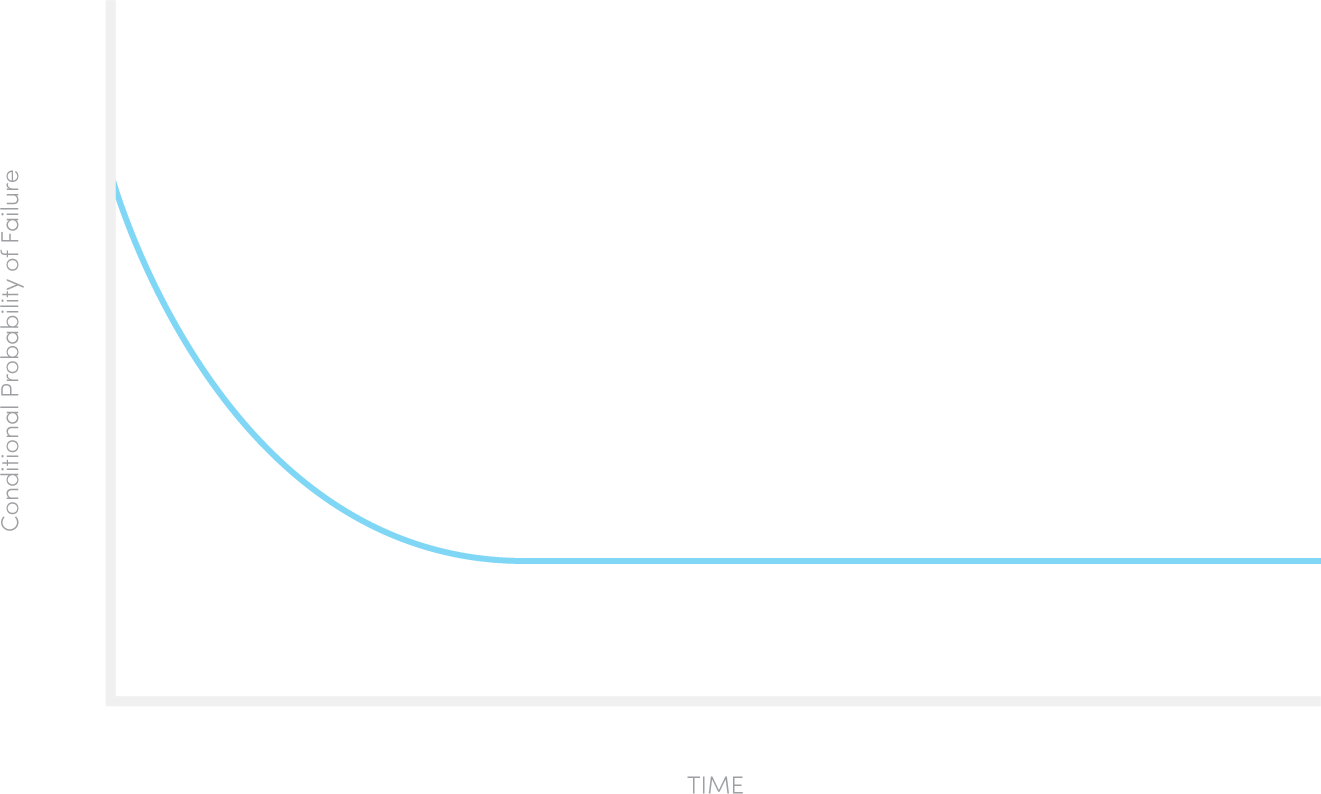
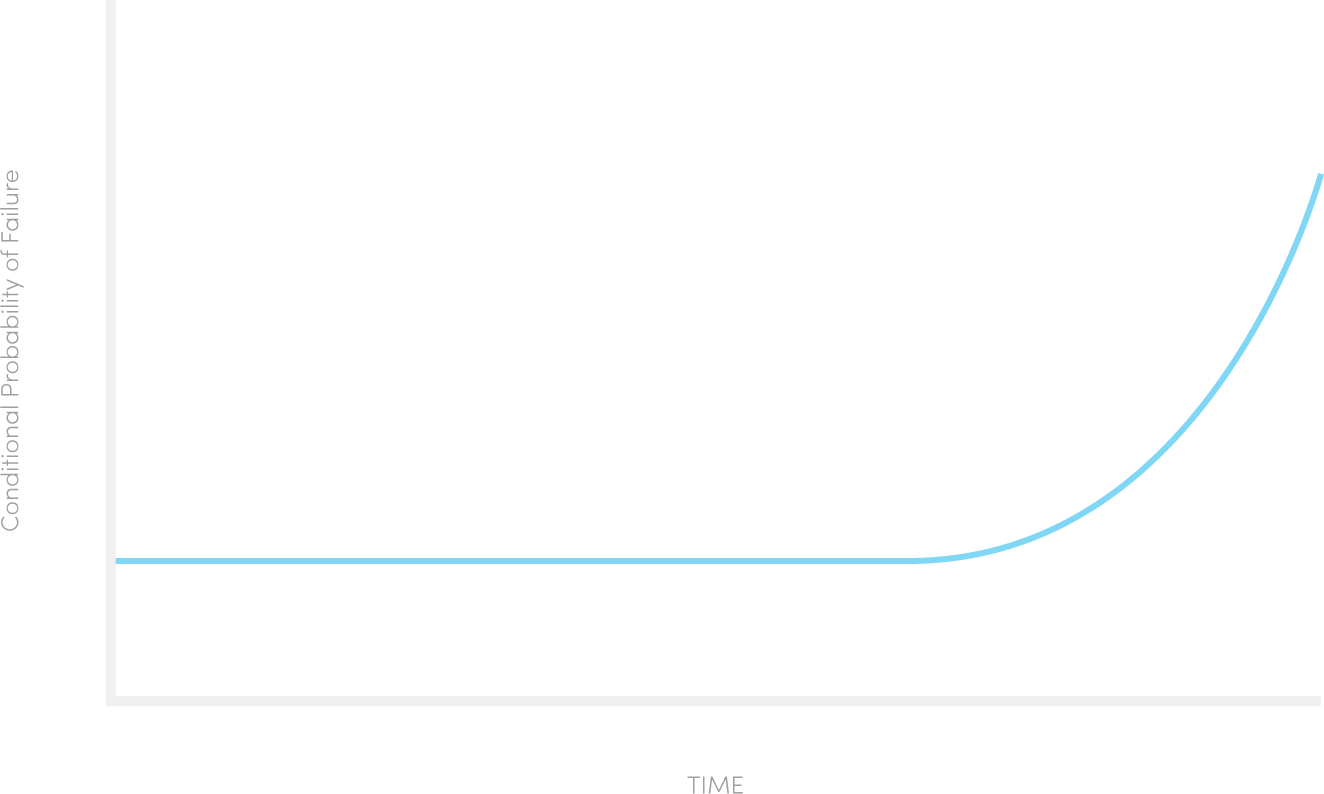
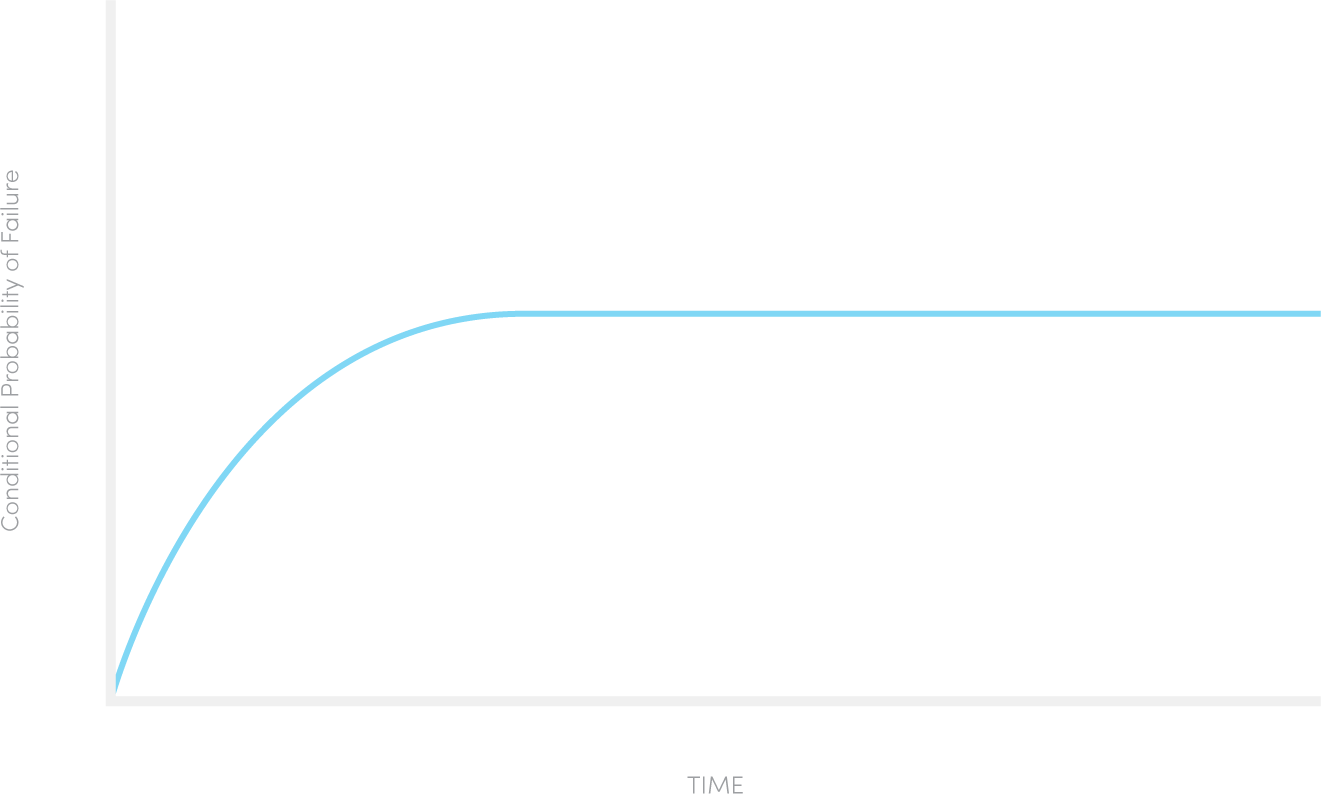
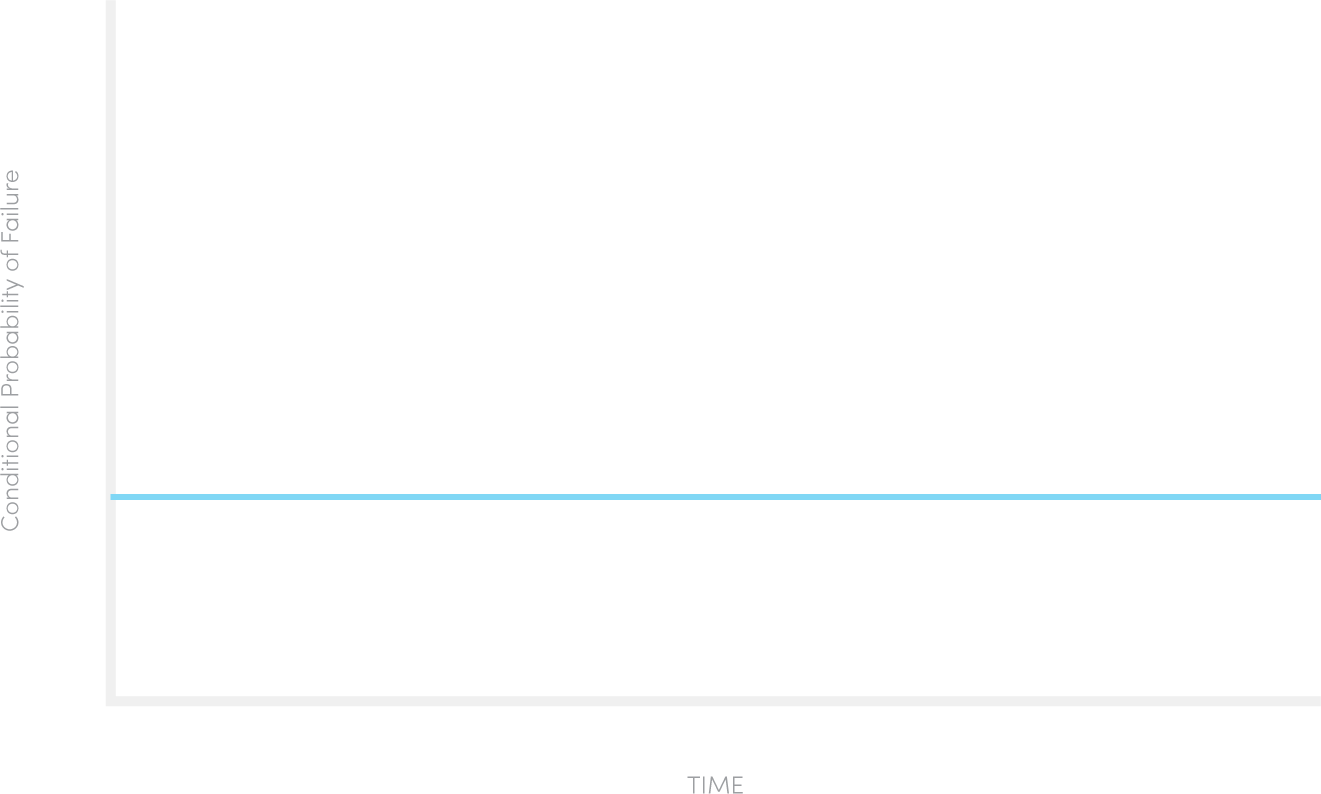
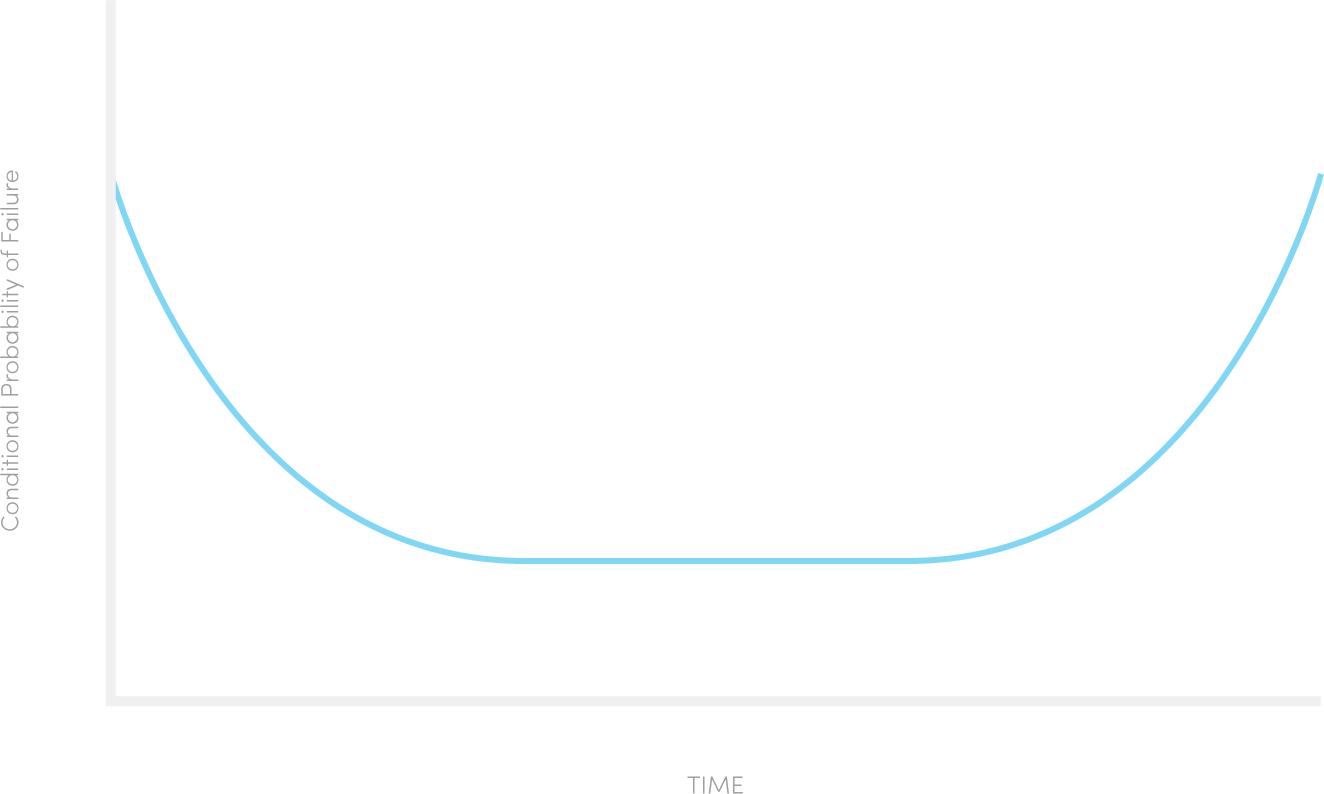
Equipment whose failure likelihood stays low over time—often because of stable wear‑and‑tear or robust design—are prime candidates. Conversely, devices that spike in failure as they age or when they are new (due to defects or installation errors) are better served by proactive care. Reliability‑Centred Maintenance (RCM) charts these patterns, helping managers decide which assets fit the run‑to‑failure model.
2. Low Criticality
If an asset’s failure poses minimal safety risk or financial impact—think a roof light or a non‑critical pump—it can be safe to let it run until it breaks. The cost of downtime is outweighed by the savings from avoiding unnecessary maintenance.
3. Accessibility Challenges
When routine checks are difficult—due to height, confined spaces, or remote locations—run‑to‑failure can be a practical interim solution until infrastructure changes enable easier access.
4. Cost Comparisons
Run‑to‑failure is justified when the total cost of preventive upkeep exceeds the expected cost of failure, including indirect impacts such as lost production or customer dissatisfaction. A thorough cost‑benefit analysis should capture all direct and indirect expenses.
Planning Is Key
Even a run‑to‑failure strategy requires rigorous planning. Define who will handle the repair, what spare parts are on hand, and the exact steps to follow once a failure occurs. This pre‑planning transforms a reactive response into a controlled, efficient operation.
Leveraging Your CMMS
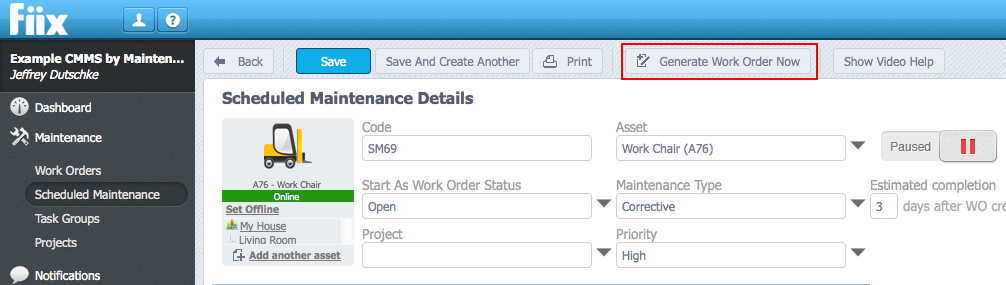
Use your Computer‑Aided Maintenance Management System (CMMS) to create a Run‑to‑Failure maintenance template. When an asset fails, the template auto‑generates a work order, ensuring consistency and speed.
Conclusion
Run‑to‑failure can be a cost‑effective maintenance strategy when chosen for the right assets and backed by comprehensive planning. By integrating it into your CMMS, you maintain control, reduce surprises, and keep maintenance budgets in check.
Equipment Maintenance and Repair
- FRACAS: Turning Equipment Failures into Business Gains
- Is Reactive Maintenance Right for Your Facility? Balancing Cost, Safety, and Reliability
- Mastering Maintenance Leadership: Execution & Motivation – Part 3
- Effective Maintenance Leadership: Building Processes and Enabling Performance – Part 2
- Optimizing Maintenance Strategy: A Proven Path to Reliability and Cost Savings
- Run to Failure (RTF): When It Makes Business Sense
- 4 Key Reasons Your CMMS Rollout May Fail (and How to Avoid Them)
- Strategic Maintenance Planning: Optimize Work Orders for Safety & Cost Savings
- Streamline Failure Reporting for Maintenance Teams
- 10 Proven Strategies to Enhance Your Preventive Maintenance Program