



How a Senior Manager Transformed Gold Bar’s Maintenance Program into Industry-Leading Excellence
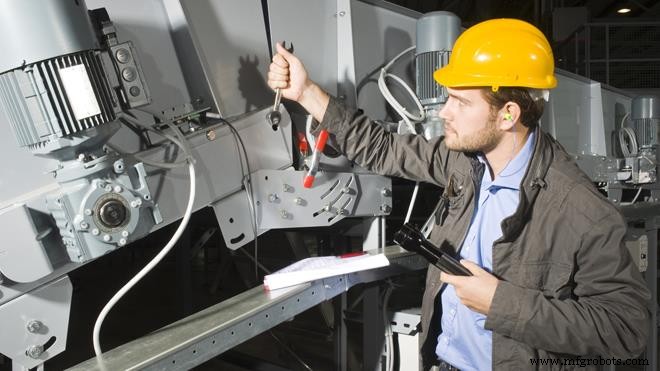 As the senior maintenance manager at EPCOR’s Gold Bar wastewater treatment plant in Edmonton, Alberta, I bring 29 years of experience spanning mining, forest products, oil & gas, electric power generation, and utilities. My core responsibilities? Developing and sustaining lean, reliable maintenance processes while cultivating a high‑performing team.
When I stepped into the role on December 18, 2017, the plant was a 50‑year‑old facility with a culture rooted in “keep the plant running.” Yet the KPIs were lagging: a 70 % schedule compliance rate, sporadic preventive maintenance, and a work‑order backlog that grew each week. Over the next 19 months, we turned these numbers around and laid the foundation for maintenance excellence.
Key Performance Improvements

By the end of November 2018, we achieved:
- 70 % schedule compliance (up from 50 %)
- 30 % reduction in reactive work orders
- 25 % increase in preventive maintenance completion
- One recordable injury per year (consistent with IFMA best‑practice benchmarks)
These gains were a team effort—our engaged workforce and robust communication channels made the difference.
People & Culture
Steven R. Covey’s insight—that a person’s heart, not hand, drives performance—guided my approach. I focused on trust, empowerment, and a culture that views mistakes as learning opportunities. By removing roadblocks and allowing technicians to make decisions, we saw rapid improvements in morale and productivity.
Strategic Foundations
My first two months involved a comprehensive gap analysis of people, work management, materials, and processes. I discovered that Gold Bar already had a skeleton framework for maintenance processes; the challenge was to flesh it out with robust, data‑driven practices.
Materials Management Overhaul
We identified uncontrolled vendor‑managed inventories—gloves, batteries, tape—costing the plant thousands annually. By instituting a kitting and staging system, establishing a sub‑inventory class for refurbishable spares, and transitioning purchases from credit cards to a formal SCM process, we eliminated “squirrel piles” and improved inventory accuracy.
Process Enhancements
While safety processes were already top‑notch—change management, process safety management, and a hazard registry were exemplary—maintenance processes needed refinement. We introduced a five‑week rolling schedule, locked the weekly maintenance plan 10 days in advance, and implemented a priority matrix that protects critical assets.
Digital Support Systems
Our CMMS, although powerful, was underutilized. We streamlined data entry by eliminating paper work orders and integrated real‑time condition‑based monitoring data (oil analysis, vibration, thermography) into the system. This enabled trend analysis and early fault detection.
Gap Analysis Highlights
- Great workforce kept the plant running.
- Old‑school mentality toward work‑management processes.
- Weekly maintenance schedule created only three days before execution.
- No formal look‑ahead or backlog cleanup.
- Break‑in work not aligned with equipment criticality.
- No schedule protection or data integrity in CMMS.
- Excessive credit‑card parts purchases and poor inventory management.
Change Management & Communication
We adopted the Plan‑Do‑Check‑Act cycle, ensuring every initiative had a sustainment plan. Early and transparent communication—starting with the 8:30 a.m. cross‑functional core meeting—helped align operations, engineering, and maintenance around shared goals.
Low‑Hanging Fruit Wins
Key wins included:
- Prioritizing work orders by equipment criticality.
- Locking the weekly schedule 10 days ahead while reviewing for plant priorities.
- Re‑engineering emergent work protocols to protect preventive maintenance.
- Applying lean principles to eliminate waste and focus on value‑added tasks.
- Re‑configuring 1,400 preventive maintenance tasks, resulting in higher completion rates.
Future Vision: Predictive & Condition‑Based Maintenance
Our long‑term strategy is to transition from a reactive/preventive model to a condition‑based, predictive maintenance organization by the end of 2021. Actions include:
- Training a dedicated condition‑monitoring team in vibration, ultrasonic, thermography, and tribology.
- Implementing failure codes in the CMMS for trend analysis.
- Conducting a 3‑day RCM training for 17 employees to align asset criticality and spare inventory.
- Embedding a continuous improvement mindset through regular performance reviews.
By sharing this vision and engaging every level of the organization—from plant operators to the CEO—everyone is aligned and empowered to drive sustainable performance.
This article was previously published in the Reliable Plant 2019 Conference Proceedings.
Equipment Maintenance and Repair
- 12 Essential Maintenance Templates to Streamline Operations and Reduce Admin Burden
- Mastering Preventive Maintenance: Building and Optimizing Fixed & Floating Schedules
- Building a Seamless Partnership Between Maintenance Planning and Storeroom Operations
- Maintenance & Reliability: Why ‘Good Enough Never Is’ Drives Business Success
- Implementing Total Productive Maintenance (TPM): A Proven 12-Step Blueprint for Zero Breakdowns
- Modernizing Maintenance: MMP’s 99.6% Uptime Through ISO 9000 & CMMS
- How Maintenance Software Enhances Health & Safety in Your Facility
- Breakdown Maintenance Explained: Rapid Response & Cost Control
- Crafting an Effective Maintenance Policy: A Step‑by‑Step Guide
- Streamline & Automate Maintenance: Proven Strategies for Reliable Operations