



Implementing an Effective Electric Motor Acceptance Testing Program
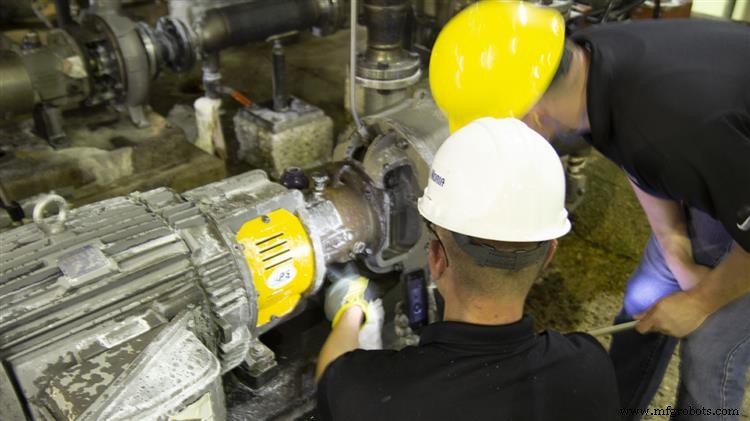
Electric motors are ubiquitous in industrial settings, yet many operators still equate turning speed with reliability. In reality, a motor that starts and runs can still harbor hidden faults that will surface later, causing costly downtime. This guide explains how to identify those hidden failure modes through systematic testing and outlines a step‑by‑step plan for building a robust acceptance testing program that delivers measurable cost savings and improved equipment availability.
Building a Motor Testing Program
Creating a testing program is a complex undertaking, but the payoff is significant. Industrial facilities often allocate over 75% of their electrical energy to motors, so the number of units requiring assessment can be daunting. A structured acceptance program is the first line of defense against acquiring defective motors, ensuring that any faults are identified before the equipment becomes operational.
Key objectives of a reliability strategy include reducing maintenance costs and extending the mean time between failures (MTBF). While reliability‑centered maintenance (RCM) initiatives provide long‑term benefits, motor acceptance testing delivers immediate savings by catching defects that would otherwise manifest as failures later.
When a motor arrives on the loading dock, it becomes the facility’s responsibility. Any defects found after delivery belong to the operator, not the supplier. A rigorous acceptance test verifies that the motor is free of hidden faults, preventing premature failure of the system it serves.
Choosing the right test equipment balances cost and applicability. Request live demonstrations from multiple vendors, consult with peer facilities, and evaluate how each tester aligns with your specific needs. Training is equally critical; even seasoned maintenance professionals may lack the expertise to interpret motor test data accurately. Invest in industry standards and targeted training to build a competent testing team.
5 Steps to Beginning Electric Motor Testing
The foundation of a successful program rests on five core steps: selecting reputable vendors, establishing a tracking system, performing thorough receipt inspections, conducting acceptance tests, and implementing proper storage procedures.
Vendor and Repair Facility Selection
Choose suppliers who demonstrate a track record of quality and who use testing equipment similar to yours. Working with vendors who understand your acceptance criteria reduces the likelihood of receiving motors that will later be rejected.
Tracking
Implement an administrative process that follows a motor from delivery through its entire life cycle, including repairs and eventual scrapping. Avoid relying on nameplates alone; use durable, embossed metal tags with unique internal codes that cannot be swapped out in repair shops.
Receipt Inspection
A detailed visual inspection should confirm that the shaft was supported during shipping, the casing is intact, grease fittings are capped, the casting shows no cracking, and the feet are level. Verify that the nameplate is legible, the connection box is secure, crimped connectors hold firmly, and the fan shroud and cooling fins are undamaged.
Acceptance Tests
Following the visual check, perform a suite of electrical tests: a megger test for insulation integrity, surge testing, phase‑to‑phase resistance and inductance measurements, and a rotor influence check (RIC). These tests uncover issues such as turn‑to‑turn shorts, high‑resistance windings, and insulation weaknesses that may not stop the motor from starting but can precipitate early failure.
Storage
Store motors in a climate‑controlled environment to prevent condensation and in a vibration‑free area to avoid false brinelling. Keep the motor junction box accessible for routine inspections and rotate shafts every 30‑90 days to mitigate bearing wear and rotor sag. Consistently testing stored motors like in‑service units ensures ongoing reliability.
Track the impact of your program by linking increased MTBF to specific cost savings. Demonstrating measurable reductions in failure modes can secure continued investment and help your program thrive.
This article was previously published in the Reliable Plant 2019 Conference Proceedings.
Equipment Maintenance and Repair
- Mastering Preventive Maintenance: Strategies to Optimize Your PM Program
- How a Well-Designed PM Program Cuts Downtime in Industrial Plants
- Developing a Robust Electrical Maintenance Program: A Practical Guide
- Boosting Electric Motor Efficiency: A Three‑Phase Strategy for Cost Savings
- Launching a Reliability Program: A Proven Roadmap
- Build a High-Impact Maintenance Training Program: A Practical Guide
- Understanding Electric Brakes: How They Operate and Why They Matter
- Step-by-Step Guide to Inspecting and Diagnosing DC Motor Issues
- DIY Guide: Build Your Own DC Motor Controller
- Master CNC Programming: A Beginner’s Guide to Fanuc Controls