



9 Proven Steps to Build a High‑Performance Maintenance Team

Today’s maintenance leaders face relentless pressure to deliver uptime, control costs, develop talent, and meet regulatory standards. The role has evolved from simple task execution to steering a mini‑business unit that drives profitability.
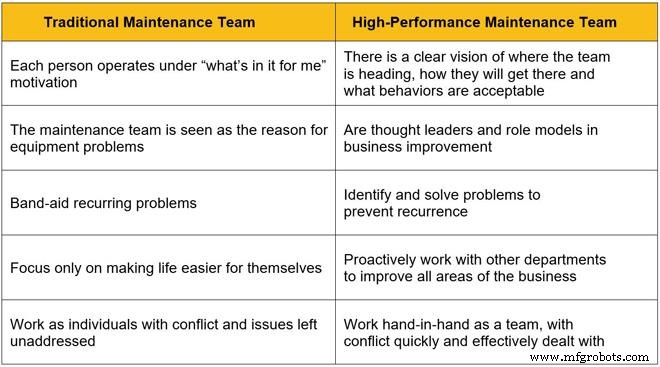
Organizations that cling to a reactive mindset incur higher production costs, shrink profit margins, and suffer high staff turnover. Even seasoned managers can’t achieve lasting improvement unless the entire crew transforms into a high‑performing team.
What Defines a High‑Performing Team?
“An interdependent, stable, role‑defined group of individuals who share responsibility, mutual trust, and values, while having strong leadership and a clear focus on a common goal.” – Wikipedia
Research consistently identifies traits such as shared purpose, clear roles, accountability, trust, and continuous learning.
The 9‑Step Process
Many tools promise to boost reliability, but without a supportive culture, even the best technology falters. By engaging the team, systemizing workflows, and executing disciplined action, you can unlock maintenance excellence.
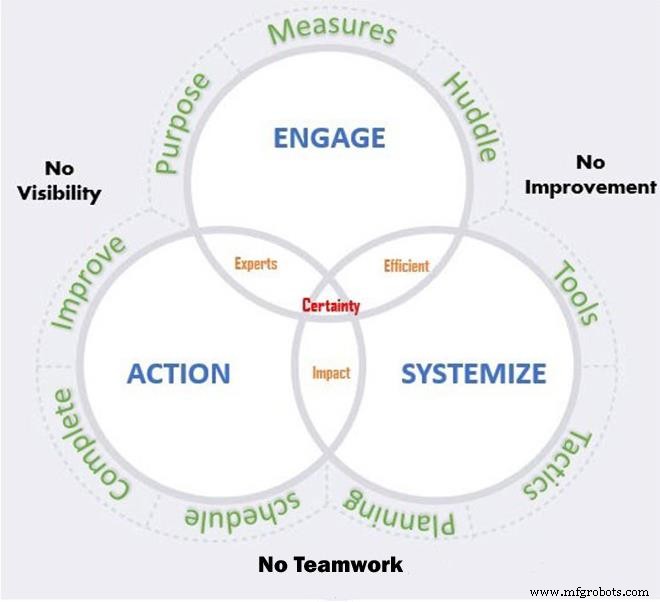
Engage
Only 34 % of U.S. employees feel fully engaged. Transforming motivation is both critical and achievable.
1. Establish a Common Purpose
Company vision, mission, and values often become static wall art. Translate those concepts into a clear, measurable maintenance purpose and standards that resonate with every team member. A qualitative roadmap links the department’s vision to actionable tactics—like increasing uptime or reducing turnover—while quantitative targets provide concrete progress.
2. Define Meaningful KPIs
Too many metrics dilute focus. Select indicators that lie within the worker’s control and directly drive business goals. KPIs should be owned, not merely reported. This structured approach turns data into a catalyst for improvement.
3. The Greatest Huddle
A daily 10‑minute huddle is the most potent tool to keep the team aligned. It should be a two‑way conversation, celebrating wins, addressing roadblocks, and reinforcing the common purpose—much like a sports team’s pre‑game rally.
Systemize
Consistent systems sustain engagement and deliver tangible results.
4. Master Your CMMS and Information Flow
Whether you use a sophisticated CMMS or a simple spreadsheet, the key is reliable, actionable data. Your team must know what information is essential, how to capture it, and how to use it to inform decisions.
5. Apply the Right Maintenance Tactics
Preventive maintenance alone is insufficient. Tailor a mix of operator care, time‑based servicing, condition‑based monitoring, and run‑to‑failure strategies to each asset’s unique failure mode.
6. Optimize Planning
Planning is the “what and how” that transforms a job into a ready‑to‑schedule package. It involves scoping, resource allocation, part procurement, and compliance checks—ensuring that frontline technicians receive clear, complete work orders.
Action
With engagement and systems in place, disciplined execution drives business impact.
7. Strategic Work Scheduling
Effective scheduling balances the “who” and the “when.” The planner aligns jobs with maintenance windows; the scheduler negotiates with operations to secure optimal execution times.
8. Ensure Work Completion
When tasks are well‑planned, scheduled, and understood, completion becomes a smooth process—even amid competing priorities and emergency shutdowns. Success relies on mutual support and shared ownership.
9. Accelerate Continuous Improvement
A high‑performance team treats every challenge as an opportunity to improve. Sustained progress emerges from an engaged workforce, robust systems, and daily business support.
This article was originally published in the Reliable Plant 2019 Conference Proceedings.
Equipment Maintenance and Repair
- 5 Proven Strategies to Motivate Your Maintenance Team
- 5 Proven Ways Maintenance Teams Can Boost Production Efficiency
- 5 Essential Steps to Launching a High‑Performance Preventive Maintenance Program
- Preventive Maintenance: A Comprehensive Guide to Reliability, Cost Savings, and Equipment Longevity
- Building a High‑Performance Reliability Team: A Practical Guide
- 7 Proven Steps to Optimize Electric Motor Maintenance
- 8 Proven Strategies to Slash Maintenance Management Costs
- 6 Proven Steps to Shift from Reactive to Proactive Maintenance
- How to Build an Effective Proactive Maintenance Plan: 4 Essential Steps
- Implementing CMMS: A 5-Step Guide for Seamless Maintenance Management