



Maintenance Management 101: How CMMS Drives Efficiency, Cost Control, and Asset Longevity
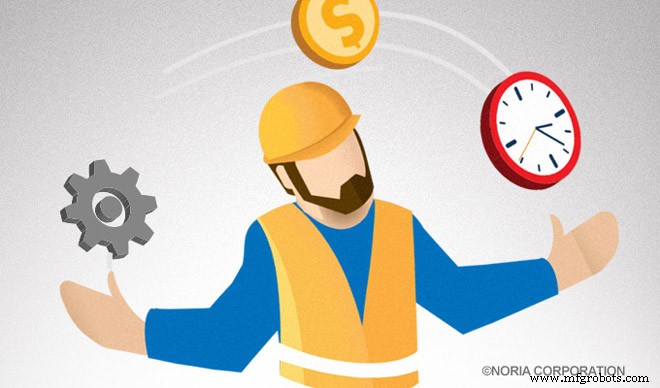
Maintenance Management is the systematic stewardship of a company’s assets, ensuring optimal performance while managing time and budget. It moves beyond manual logs to sophisticated computerized maintenance management systems (CMMS) that consolidate planning, tracking, and optimization of all maintenance activities.
What Is Maintenance Management?
Maintenance management blends proven best practices, skilled personnel, and robust software to keep production running smoothly. Modern CMMS platforms centralize data, generate actionable insights, and support both preventive and predictive maintenance strategies tailored to each plant’s needs.
While the core concept remains: maintain assets, control costs, and maximize uptime, the implementation is highly customizable. Whether you rely on time‑based preventive schedules or condition‑based predictive analytics, the goal is the same—reduce downtime, extend equipment life, and protect your bottom line.
Continuous improvement is essential. If your organization needs guidance in refining its maintenance approach, partnering with seasoned reliability experts can uncover hidden opportunities and deliver a realistic roadmap for advancement.
Why Maintenance Management Is Important
Effective maintenance management safeguards long‑term success by ensuring asset reliability, reducing unplanned outages, and controlling operating costs. Unplanned downtime spirals into costly repairs, overtime labor, missed shipments, and lost revenue.
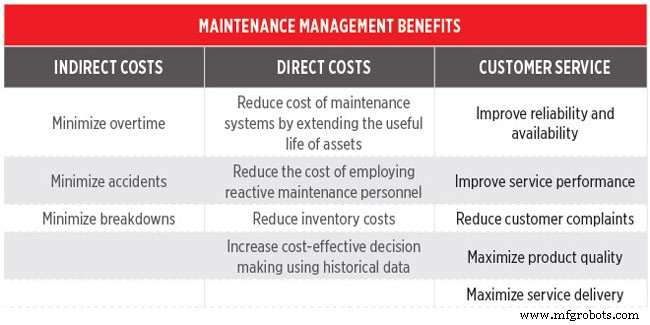
Beyond cost savings, disciplined maintenance programs enhance workplace safety, boost productivity, and lower human error rates. The result is a resilient operation that consistently meets quality and delivery commitments.
The Objectives of Maintenance Management
All maintenance programs share a core mission: analyze production data to identify best practices and optimize processes. Key objectives include:
 Cost control and budgeting: Allocate funds wisely, choosing durable parts over cheaper, short‑lived replacements when ROI warrants it.
 Work scheduling and resource allocation: Prioritize tasks so labor and equipment are used at peak productivity, ensuring critical assets—like forklifts—remain operational.
 Regulatory compliance: Adhere to local, state, and federal safety standards, preventing costly violations.
 Downtime reduction: Planned maintenance keeps production running, preserving revenue streams.
 Asset life extension: Routine care mitigates wear, delaying replacement cycles.
 Equipment enhancement: Modernize existing machinery through upgrades and cost‑effective modifications.
 Training: Equip staff with the skills and knowledge to perform safe, efficient maintenance and improve product quality.
 Trend analysis: Leverage historical data to uncover recurring issues and inform future maintenance strategies.
Maintenance Management vs. Asset Management
- Asset management tracks asset performance and informs business strategy, measuring ROI and cost‑efficiency.
- Maintenance management uses tools like CMMS to monitor labor, materials, and equipment, ensuring optimal operation and minimizing unplanned repairs.
Although distinct, the two disciplines converge in most modern facilities. Integrated CMMS solutions expose both sets of data, enabling cohesive decision‑making that boosts ROI and operational reliability.
Computerized Maintenance Management Systems
A CMMS is a dedicated software platform that consolidates maintenance data, generates reports, and supports decision‑making. It removes manual tracking, centralizes scheduling, inventory, and work orders, and adapts to any maintenance philosophy—preventive, predictive, or reactive.
Key capabilities include:
 Work order management: Create, prioritize, assign, and track work from desktop or mobile. Automated triggers schedule preventive tasks and alert inventory when parts are needed.
 Asset performance & reporting: Build comprehensive asset profiles, monitor operational hours, and generate custom reports on downtime and cost impact.
 Inventory management: Automate purchasing, track stock levels across sites, and maintain optimal inventory through cycle counts and first‑in, first‑out principles.
 Audit readiness: Store a searchable record of all tasks, certifications, and compliance documents to streamline ISO and regulatory audits.
 Mobile capabilities: Field technicians log work, capture photos, and request assistance on the plant floor, even offline.
 Integration: Connect with ERP, sales, and procurement systems to create a unified data ecosystem.
Who Should Have Access to Your CMMS?
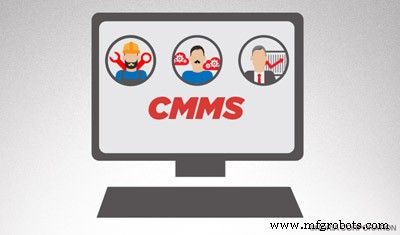
Broad, role‑based access maximizes CMMS value. Key stakeholders include:
- Maintenance Manager: System administrator and decision maker for work orders, asset oversight, and reporting.
- Facility/Operations Manager: Reviews performance across sites, informs budgeting, and supports audit readiness.
- Reliability Engineers: Analyze data to identify improvement opportunities.
- Inventory Managers: Leverage real‑time parts data to streamline procurement and reduce stockouts.
- Safety Personnel: Access certifications, policies, and audit results to ensure compliance.
- Technicians: Submit work requests, update status, and record real‑time observations.
- Production Personnel: Report equipment issues and perform routine maintenance tasks.
- Contractors: Guest access to view relevant work orders and resources.
- Executives: View KPIs and strategic dashboards to guide leadership decisions.
CMMS vs. EAM
While both systems manage assets, CMMS focuses on day‑to‑day maintenance and parts logistics, whereas EAM provides a life‑cycle view from design through disposal. Modern platforms often bundle CMMS and EAM functionalities, but their scopes differ:
- CMMS: real‑time scheduling, work order tracking, and compliance support.
- EAM: budgeting, calibration, energy monitoring, fleet management, interactive maps, and process management.
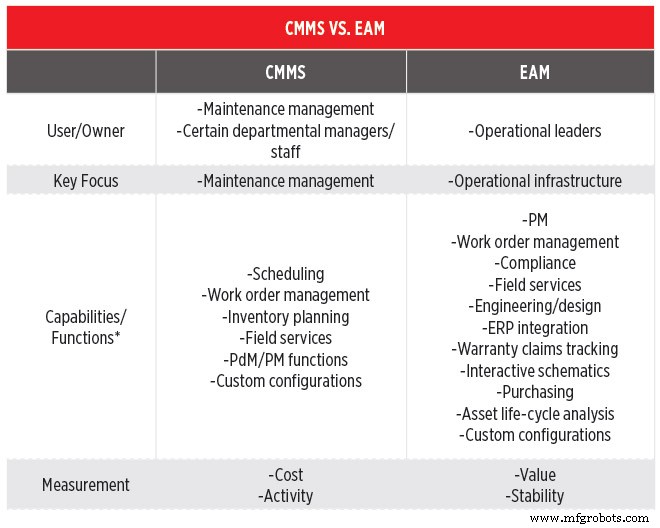
Choosing the right approach depends on your organization’s maturity and strategic goals. For many, a hybrid CMMS/EAM solution delivers the breadth of insight needed to optimize assets from inception to retirement.
Equipment Maintenance and Repair
- Mastering Maintenance Inventory Management: Strategies to Cut Costs and Boost Reliability
- Preventive Maintenance: How Proactive Care Drives Reliability & Saves Costs
- 7 Critical Maintenance Management Mistakes You Must Avoid
- 12 Pillars of Effective Reliability Management
- How to Persuade Top Management to Invest in Maintenance
- Mastering Information Management to Boost Maintenance Performance
- Streamline Facility Management with QR Code Integration
- The Definitive Handbook of Maintenance Management: A Practical Guide for Leaders
- 8 Proven Strategies to Slash Maintenance Management Costs
- Mastering Maintenance Management: Boost Efficiency & Control Costs