



Mastering Maintenance Inventory Management: Strategies to Cut Costs and Boost Reliability
Inventory management is the unsung hero of your maintenance operation—often overlooked, yet its impact on cost and reliability is profound. When executed with precision, it elevates asset stewardship, drives operational efficiency, and delivers significant savings.
Stop money from leaking out of your storeroom with this inventory management template
Table of contents
- What is maintenance inventory management?
- The cost of poor maintenance inventory management
- 7 ways to improve maintenance inventory management
- The bottom line: Inventory management and the bigger picture
Four tips for better MRO inventory management
Video
What Is Maintenance Inventory Management?
Maintenance inventory management is the disciplined practice of ensuring the right parts are available, in the right place, at the right time, and at the right cost. The objective is to minimize expenditure by aligning procurement with actual consumption patterns.
The definition of inventory varies by industry. For retail, it is the assortment of items awaiting sale; for maintenance, it is the collection of components that keep equipment operational—motors, bearings, fans, filters, and the like. The goal for maintenance teams is to maintain optimal stock levels while respecting space constraints and budgetary limits.
The Cost of Poor Maintenance Inventory Management
Every step of inventory control carries risk. Mistakes can inflate costs, disrupt schedules, and erode profitability. Poor inventory management typically inflates storage expenses, distorts maintenance planning, and triggers stockouts and obsolescence.
Inventory management is an attempt to have the right stock, in the right place, at the right time, and at the right cost.
Three core pitfalls emerge: excess inventory, shortages, and poor traceability. Each can destabilize operations and damage the bottom line.
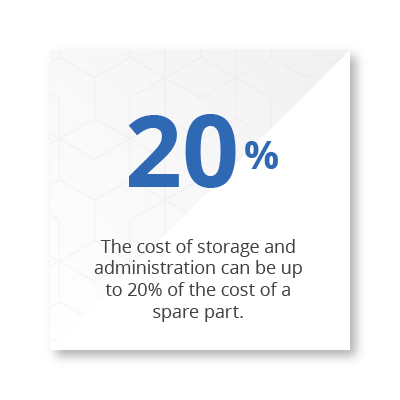
The financial burden of excess stock is tangible: storage costs hover between 12 % and 20 % of purchase value. A $100,000 annual inventory spend translates to an additional $12,000–$20,000 in warehousing and administration. Over‑stocking exacerbates this drain.
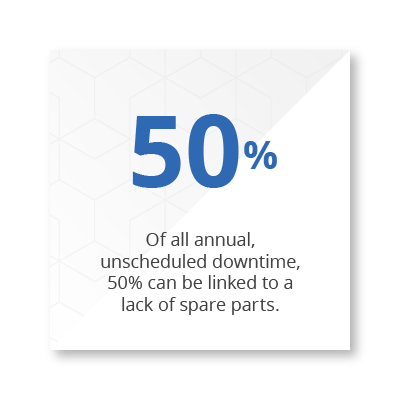
Shortages are more immediate. If a critical machine fails and the necessary part is unavailable, downtime can balloon from hours to days or weeks, inflating repair costs and freight for rush orders. Manufacturers experience this routinely; a 2023 Aberdeen Group study found that 50 % of unscheduled downtime stems from missing spare parts. A robust inventory system keeps essential components on hand, slashing unplanned downtime and safeguarding revenue.
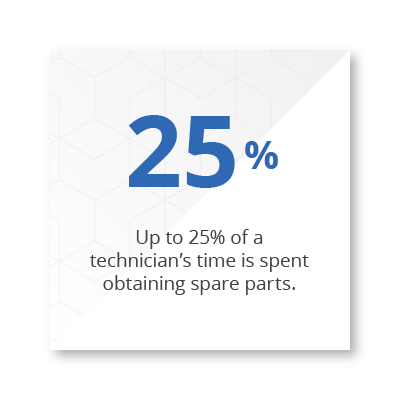
Even when inventory levels are adequate, losing track of parts is costly. Estimates suggest technicians waste 10–25 % of their time locating items, adding minutes of lost productivity per incident. Over a year, this can run into hundreds of thousands of dollars. Accurate location data eliminates these inefficiencies.
7 Ways to Improve Maintenance Inventory Management
With the stakes clear, here are actionable strategies to refine every phase of your inventory workflow. Even implementing a few can dramatically cut waste, streamline operations, and protect your bottom line.
1. Parts Tracking
As discussed, searching for parts can drain time and money. If an hour of unplanned downtime costs $1,000 in lost labor and a technician spends 15 minutes hunting a part, that’s an extra $250 in losses. An inventory tracking system lets staff verify stock levels and precise locations without physically inspecting shelves, and prevents duplicate orders that inflate inventory.
Never lose track of your critical parts with this free cycle count template
2. Stock Levels
Having the right amount of stock is key. Start by determining minimum levels based on the average consumption of critical components and adjust reorder quantities for supplier lead times. Properly calibrated, these practices support just‑in‑time delivery and reduce carrying costs.
Imagine a critical piece of production equipment goes down and you don’t have the part needed to repair it. The cost of that breakdown just skyrocketed.
3. Reordering
Once minimum thresholds are set, automate notifications when inventory dips below them. This removes guesswork, curtails over‑ and under‑stocking, and provides a clear audit trail for purchase orders—data that informs future procurement decisions.
Don’t let emergencies catch you off guard with this parts kitting template
4. Managing Inventory at Multiple Locations
Standardized processes are vital when you operate across several sites. Tracking parts in real time across locations gives technicians the flexibility to pull items from the nearest facility, reducing lead times and preventing shortages.
5. Eliminate Obsolete Parts
Obsolete inventory robs space and capital. By monitoring the lifecycle of each spare part—purchase date, usage history, and projected obsolescence—you can phase out redundant items before they become stranded assets.
6. Inventory Reporting
A robust reporting framework turns data into insight. Track metrics such as on‑hand value, outstanding orders, and historical consumption trends to refine budgets, forecast demand, and automate purchasing cycles.
7. A Single, Integrated System
Consolidating maintenance and inventory into one platform offers data consistency, reduces training overhead, and eliminates the need for costly integration work. A CMMS that handles inventory and preventive maintenance can replace separate ERP or procurement modules.

Maintenance Inventory Management and the Bigger Picture
Good inventory management is the foundation of reliable maintenance. When the right part is in the right place, technicians can execute repairs swiftly and accurately. Although it requires time and investment to build solid processes—from procurement to real‑time tracking—the payoff is lower costs and a smoother, more resilient operation.
Equipment Maintenance and Repair
- Leverage AI for Smarter Inventory Management and Unlock $1.1 Trillion in Cash
- Maintenance Management 101: How CMMS Drives Efficiency, Cost Control, and Asset Longevity
- Mastering Integrated Inventory Management for Optimal MRO Efficiency
- Elevating Maintenance: Aligning Strategy, Building Trust, and Driving Business Value
- How to Persuade Top Management to Invest in Maintenance
- Transform Warehouse Operations with CMMS: Boost Efficiency and Reduce Downtime
- Enhancing Health & Safety in Manufacturing: Proven Strategies for a Secure Workforce
- Boost Preventive Maintenance: Proven Strategies for Enhanced Reliability and Reduced Downtime
- Expert Guide: Transform Your Maintenance Management for Greater Efficiency
- How Business Reports Enhance Equipment Maintenance & Reliability