



Take Ownership for Reliability: How Leaders Cut Costs and Boost Productivity

Why Ownership Matters
Partnerships like the one I’ve forged with Noria empower leaders to rethink reliability from the ground up. The core of that rethink is ownership—when leaders own outcomes, they drive performance, reduce downtime, and eliminate the need for costly, reactive fixes.
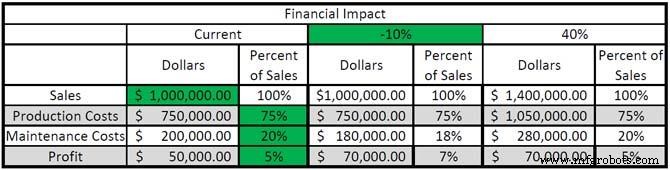
Research shows that proactive maintenance can cut total maintenance spend by up to 90%. Even a modest 10% reduction in those costs translates into roughly a 40% jump in overall productivity—without adding new plants or hiring more staff.
Five Leadership Habits to Stop Now
1. Relying on “Best Practices”
Best practices lock teams into the status quo. Innovation requires the courage to experiment beyond the rule book. Leaders should question every “best practice” and replace it with a “next practice” that pushes the organization forward.
2. Over‑Cutting Costs
Cutting spending without a strategic lens often undermines reliability. The smartest leaders invest where it yields the highest return—by building a resilient, well‑maintained asset base that protects and enhances the bottom line.
3. Prioritizing Political Correctness
When dialogue is filtered through the desire to be politically correct, real problems go unspoken and solutions are diluted. Authentic, candid conversations are essential for spotting blind spots and accelerating improvement.
4. Glorifying the Few
Leadership is not a title but a mindset that can be cultivated across every level. Empowering all team members to act as leaders spreads responsibility, accelerates decision‑making, and strengthens the organization’s resilience.
5. Resistance to Change
Change moves faster than most leaders can keep up. Rather than training the status quo, leaders should mentor, coach, and develop their teams to adapt swiftly and seize emerging opportunities.
Embracing Ownership
Ownership is the decisive moment between being a passive “victim” and an active “owner.” Every choice—small or large—offers an opportunity to shape outcomes. Experienced reliability leaders learn that decisions are rooted in hands‑on knowledge, not theory alone.
Owner vs. Victim Mindset
An owner embraces constraints as challenges; a victim sees them as excuses. Shifting from victim to owner requires awareness, practice, and a willingness to take responsibility for results.
Developing an Owner Mentality
Owners proactively seek solutions, learn from past failures, and champion continuous improvement. By fostering this mindset, leaders can transform a production‑centric organization into one that prioritizes productivity through reliability.
For deeper insights, I’ll continue sharing research, case studies, and actionable frameworks in upcoming articles. Feel free to reach out if you’d like to explore any topic further.
Equipment Maintenance and Repair
- Implementing Smart Redundancy: Enhancing Reliability Without Breaking the Bank
- Balancing Equipment Ownership and Cross‑Training for Maintenance Technicians
- Reliability Excellence for Managers (RxM) – Elevate Your Maintenance Leadership with LCE
- Certified Reliability Engineer (CRE): The Essential Credential for Plant Reliability Professionals
- Outsourcing Maintenance: Driving Reliability and Operational Excellence
- Standard Aero Earns 2006 SAE DoD Great Ideas Award for Engine Workscope Optimization
- Root Cause Analysis: Strengthening Plant Reliability
- Reliability Engineering Fundamentals for Plant Engineers
- Top 5 Time Wasters Reliability Engineers Must Eliminate
- Reliability Excellence: The Key to Safer, More Profitable Operations