



From Fixing to Running: Elevating Industrial Maintenance Strategy
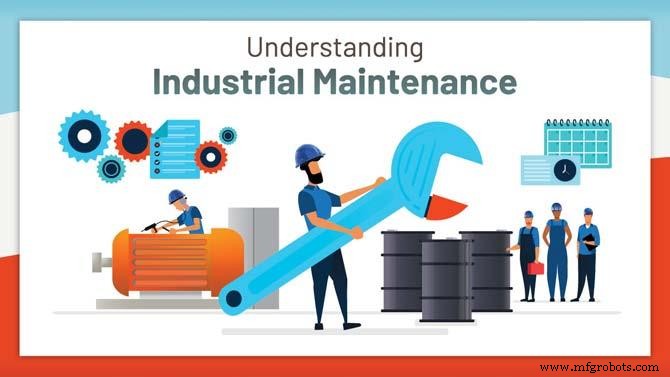
In industrial maintenance, two prevailing philosophies shape how equipment is managed. The first, commonly adopted, treats maintenance as a reactive "fix‑it" task. The second, increasingly proven, views maintenance as a proactive effort to "keep equipment running." Though often conflated, these approaches diverge sharply in mindset, process, and business outcomes.
The fix‑it mentality is straightforward: technicians respond to failures as they arise. It aligns well with traditional technical skill sets but tends to inflate labor costs, diminish equipment uptime, and erode overall profitability.
Conversely, the keep‑it‑running philosophy demands robust planning, management oversight, and continuous improvement. When executed correctly, it cuts maintenance spend, maximizes uptime, and boosts the bottom line. Rather than a binary choice, most departments exist on a spectrum where elements of both mindsets coexist.
To shift toward a true uptime‑centric culture, clarity of purpose is essential. This series will explore the core components that drive a high‑performing maintenance organization.
The Industrial Maintenance Manager
The direction of a maintenance department is largely set by its manager’s attitude and conviction. Unfortunately, many organizations mistakenly prioritize hands‑on technical expertise over the broader managerial competencies needed to steer a profitable maintenance strategy.
While troubleshooting skills are valuable, a maintenance manager must first define the department’s focus, safeguard that focus against resistance, and align all efforts with profitability goals.
Without a clear mission, teams often slide into pure reactive maintenance—a harmful cycle that damages equipment, hampers site operations, and jeopardizes job security.
Maximizing uptime and minimizing repair costs requires a suite of support systems—preventive maintenance programs, strategic spare‑parts inventories, targeted training, appropriate tooling, and robust information systems. The design, complexity, and cost of each element will vary with the department’s size and the business’s operational tempo.
A rapidly expanding plant running a 24/7 schedule will need different capabilities than a mature facility operating a 5×8 schedule. Managers must understand the cost‑benefit trade‑offs of each support system to craft the most efficient, high‑uptime solution for their unique context—recognizing that these requirements evolve over time.
Where can a manager acquire this knowledge? There is no single training hub. Instead, effective managers piece together insights from a variety of sources—hands‑on experience, industry publications, conferences, plant visits, and vendor training. Each source offers distinct perspectives: real‑world lessons, peer benchmarks, structured learning, and third‑party expertise.
It’s vital to evaluate whether a proven practice will translate to your environment before adoption. Change, even well‑intentioned, is rarely seamless; a manager’s conviction—rooted in data and belief—must drive the implementation against internal and external inertia.
Industrial maintenance thrives on bold leadership. A manager who combines technical insight with strategic vision can transform a reactive department into a profit‑driving, uptime‑focused operation.
Equipment Maintenance and Repair
- Industrial Maintenance Staffing Solutions for Peak Efficiency
- Expert Industrial Maintenance for Distribution Centers
- How Industrial Maintenance Has Evolved: From Reactive to Predictive
- Key Industrial Maintenance Trends of 2020 – Insights & Actionable Strategies
- Industrial Maintenance Mechanics: Enhancing Facility Performance & Profitability
- How Predictive Maintenance Drives Efficiency and Cuts Downtime
- Industrial Maintenance: Strategies, Careers, and Best Practices for Asset Reliability
- Elevate Your Bottom Line with World‑Class Industrial Lubrication
- Industrial Centrifuge Maintenance: Ensuring Longevity and Optimal Performance
- Mastering Plant Maintenance: Proven Practices for Reliable Energy Production