



Implementing Smart Redundancy: Enhancing Reliability Without Breaking the Bank
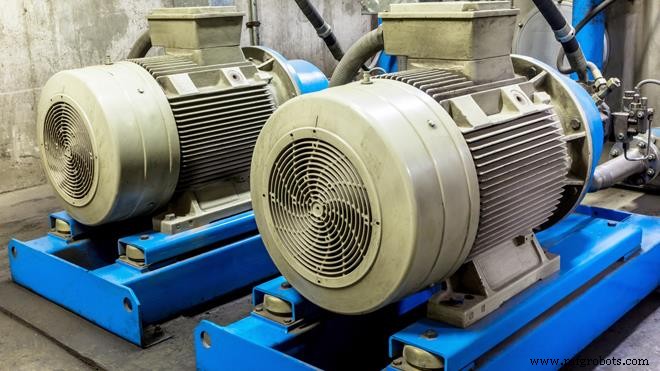
Nuclear submarines exemplify high‑reliability engineering, featuring built‑in redundancy. Typically, each system is divided into port and starboard halves, with two pumps per side—four pumps in total. Each side can operate independently on a single pump, and the halves are cross‑connected, allowing the entire system to continue functioning at reduced capacity if only one pump remains operational.
While this level of redundancy incurs a hefty price tag—approximately $1 billion in the submarine example—many businesses dismiss it as unaffordable. I contend that a more nuanced approach, which I term “smart redundancy,” can deliver similar reliability benefits without the prohibitive expense.
Smart redundancy involves a critical assessment of your assets, identifying risks, and pinpointing where modest redundancy can yield substantial returns. Utility and packaging systems, in particular, are prime candidates for this strategy.
Consider a fresh‑water supply system I managed. After extraction and treatment, a single pump delivered pressure to the entire plant. A failure of that pump, its motor, the electrical controls, or the pressure switch would halt production within roughly three minutes. Depending on the fault, downtime could range from ten minutes to several hours.
Despite regular preventive maintenance, the pump’s harsh operating environment still produced intermittent failures.
After analysis, we installed a second pump with a slightly lower pressure set point. The pump cost roughly $2,000, with additional expenses for installation and controls. The result? The plant never experienced a complete shutdown due to water shortage again, and the modest investment was fully recouped through the avoidance of just a few minutes of downtime.
Packaging lines face similar challenges. Typically, ten or more components—including conveyors—operate in series, so a single failure stops the entire line. Even if each component enjoys a 97 % uptime, the overall line reliability drops to roughly 74 % (0.97ⁿ for ten components).
Have you ever encountered a scenario where an upstream component on one line fails concurrently with a downstream component on another line, rendering both lines inoperable?
By introducing a cross‑connection midway, you can mitigate such failures. In many cases, this is as simple as installing a movable rail that allows two conveyors to share a common path.
Avoid headlines that read, “$2,000 pump halts entire factory.”
Equipment Maintenance and Repair
- Take Ownership for Reliability: How Leaders Cut Costs and Boost Productivity
- Reliability Excellence for Managers (RxM) – Elevate Your Maintenance Leadership with LCE
- Certified Reliability Engineer (CRE): The Essential Credential for Plant Reliability Professionals
- Outsourcing Maintenance: Driving Reliability and Operational Excellence
- Standard Aero Earns 2006 SAE DoD Great Ideas Award for Engine Workscope Optimization
- Root Cause Analysis: Strengthening Plant Reliability
- Reliability Engineering Fundamentals for Plant Engineers
- Invitation for North American Experts to Review Draft ANSI/HI 1.4 Standard on Rotodynamic Pumps
- Top 5 Time Wasters Reliability Engineers Must Eliminate
- Reliability Excellence: The Key to Safer, More Profitable Operations