



Three Proven Ways to Optimize Electric Motor Maintenance
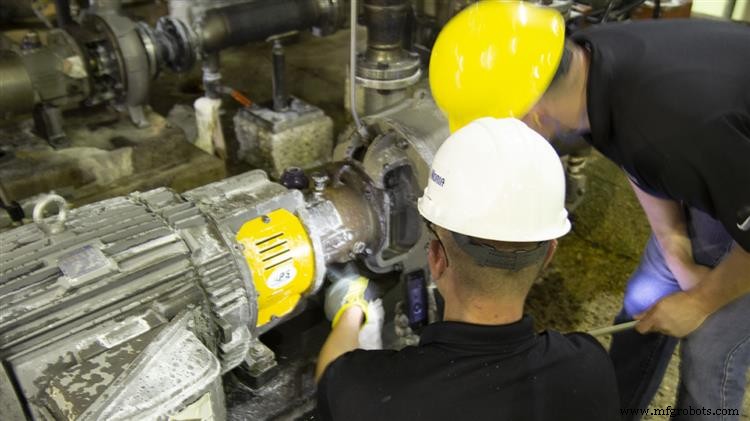
Maintaining electrical equipment demands meticulous planning and regular inspection. Only through systematic, scheduled checks can potential failures be spotted early, ensuring smooth operation and extended asset life.
Trained operators bring a sensory toolkit to the job: a keen nose can detect burning insulation, a steady hand feels overheating bearings, an attentive ear hears abnormal vibrations, and sharp eyes spot sparks or mechanical defects. Their vigilance is a first line of defense against costly downtime.
Motor controls—whether simple electromechanical cabinets or advanced variable‑frequency drives—manage start‑stop, direction, speed, torque, and protection. Modern Motor Control Command Sets (MCCS) have evolved from basic breakers and contactors to integrated digital systems, underscoring the need for sophisticated maintenance practices.
Below are three key strategies to elevate your electric motor upkeep:
1. Infrared Thermography
Infrared thermography is a non‑invasive inspection method that captures real‑time temperature profiles of motors and their control units under full load. By highlighting hot spots, loose connections, unbalanced loads, and overheating, it enables predictive maintenance and prevents catastrophic failures. Always follow safety protocols: wear appropriate PPE, keep the enclosure open only when the system is isolated, and verify that all circuits are de‑energized before scanning.
2. Maintaining De‑energized Equipment
When performing detailed inspections, engineers must adhere to strict de‑energization, isolation, and lock‑out/tag‑out (LOTO) procedures. This ensures that components are safely examined, repaired, or replaced before being re‑energized. Verify that any replacement parts match the original rating and are suitable for the application, referencing NEMA standards for guidance.
3. Maintenance After a Fault
Faults can damage MCCS structures, conductors, and busbars. Immediately isolate all affected equipment, confirm power loss with a digital multimeter, and avoid back‑feeding from auxiliary sources. After a fault, perform a thorough inspection of all components, replace damaged parts, and conduct a functional test before returning the system to service.
Consistent, expert maintenance extends motor life, reduces unscheduled downtime, and safeguards production schedules. Always follow manufacturer guidelines for lubrication, bearing care, and electrical verification. Keep equipment well‑ventilated and confirm voltage and current ratings during every check.
About the Author
Jeson Pitt works with the marketing department of D&F Liquidators and regularly shares his expertise on electrical products, helping professionals resolve common electrical challenges.
Equipment Maintenance and Repair
- Maximize Plant Uptime with ATS’s Expert Third‑Party Maintenance Solutions
- Elevating Maintenance: Aligning Strategy, Building Trust, and Driving Business Value
- Five Key Benefits of Modernizing Electrical Equipment
- How AI and IoT Transform Manufacturing: 3 Proven Strategies
- 3 Proven Strategies to Elevate Your Industrial Equipment Maintenance Plan
- 5 Proven Strategies to Slash Equipment Maintenance Costs
- Four Proven Strategies to Mitigate Equipment Failure Risks
- Boost Your Business with 6 Proven Equipment Management Software Strategies
- How Business Reports Enhance Equipment Maintenance & Reliability
- Expert Construction Equipment Maintenance: Prevent Costs & Boost Longevity