



Transform Maintenance from Cost Center to Reliability Partner
Reconsidering the Relationship Between Operations and Maintenance
Many organizations still treat operations as the customer and maintenance as a mere supplier. This customer‑supplier dynamic can actually erode equipment reliability improvements. In my experience, viewing maintenance purely as a cost prevents it from delivering true value to production.
When maintenance is labeled a supplier, what does it supply? Typically, it provides time and material to operations. Since operations pays the invoice, maintenance is often seen only as an expense rather than a strategic asset that can enhance reliability.
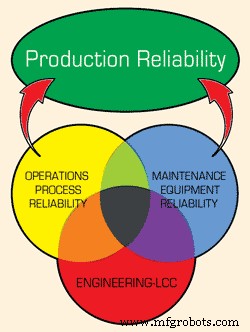
I believe maintenance’s mission should be to supply equipment reliability—not just time and material. Operations, with its short‑term focus and limited technical depth, is unlikely to request the high‑precision alignment or the proactive oil‑sampling recommendations that maintenance experts can provide. If a critical pump stalls, will an operations representative insist on a downtime extension to fine‑tune the alignment to a thousandth of an inch? Will they heed advice to install oil sample ports across all hydraulic systems?
Common pitfalls of a customer‑supplier model include:
- Maintenance becomes reactive, as operators often overlook long‑term effects of lubrication, alignment, balancing, and preventive maintenance.
- Operations seeks readily available maintenance staff for breakdowns, inflating on‑shift staffing.
- “Honey‑do” tasks proliferate because maintenance is always available.
- Preventive work suffers as reactive work dominates.
Some organizations exacerbate this by adopting a “kid in a candy store” mindset: operations receives unlimited maintenance services with no budgetary oversight. In my view, operations should at least own the maintenance budget if they are to be considered a customer.
Moving Toward a Partnership
I firmly believe that maintenance, engineering, and operations must collaborate as partners. Production reliability is defined by equipment reliability—led by maintenance and engineering—and process reliability—led by operations and process engineering.
To cultivate a partnership culture, implement the following processes:
- Designate a central operations contact to screen and preliminarily prioritize all work requests.
- Hold a joint daily brief (15 minutes max) to decide and prioritize work using clear guidelines.
- Review the backlog at regular intervals together.
- Provide status updates on backlog items to all stakeholders.
- Conduct joint root‑cause analysis for recurring problems.
- Schedule monthly joint equipment and process inspections. Operations and maintenance follow their respective routes but collaborate on at least one route each month, reporting findings to supervisors.
Equipment Maintenance and Repair
- Building a Strong Operations‑Maintenance Partnership for Sustainable Production
- Transforming Operations & Maintenance: A Practical Guide to Effective Planning
- Boeing’s Maintenance Performance Toolbox Powers Condor’s Fleet Management
- 5 Proven Rules to Strengthen Operations & Maintenance Partnerships
- Can Maintenance and Operations Coexist? Lessons from a Postal Service Plant Reorganization
- Lockheed Martin Secures $126M U.S. Army Contract for RF‑ITV Operations and Maintenance
- Enhancing Operations‑Maintenance Collaboration for Superior Manufacturing Outcomes
- Minimizing Scheduled Maintenance Impact on Business Operations
- Mastering Maintenance Optimization: Boost Efficiency & Value
- Boost Farm Operations with Proactive Maintenance