



12 Proven Ways to Leverage Work Orders for a High‑Impact TPM Program
Read the full Work Order Academy series, including toolkits for better maintenance schedules, backlog elimination, and data‑driven maintenance strategies
Why a Defense‑Only Maintenance Team Leaves You Vulnerable
In the world of sports, the saying “defense wins championships” rings true. In business, the “championship” is hitting quotas and maximizing profit, and the “defense” is proactive maintenance. When only the maintenance crew defends the equipment, critical failures slip through, resulting in costly downtime, waste, and safety incidents.
Every unnoticed fault, every improperly lubricated machine, and every missed preventive maintenance (PM) is a lost opportunity. Total Productive Maintenance (TPM) flips the script by making maintenance a company‑wide responsibility, turning potential losses into preventable wins.
What Is Total Productive Maintenance?
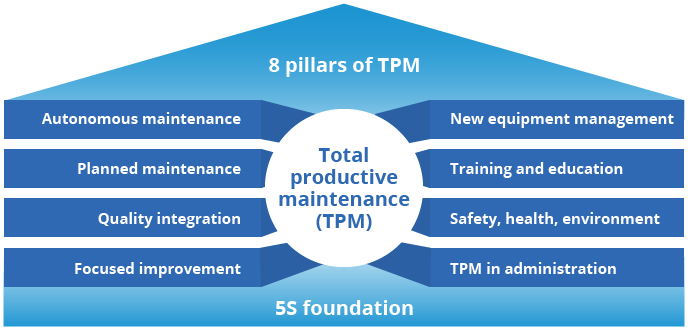
TPM is a philosophy that every employee—from operators to finance—plays a role in sustaining equipment performance and safety. By extending vigilance beyond the maintenance floor, TPM amplifies early detection of issues and reduces reactive downtime.
An example: an operator performing routine lubrication or a plant manager implementing an asset‑management policy—both actions directly improve equipment health, even though neither person is a maintenance technician.
For a deeper dive, explore our articles on getting started with TPM and executing a TPM plan.
12 Ways to Use Work Orders to Build a Successful TPM Program
Engaging Operations in TPM
Work orders are the lifeblood of maintenance, and they’re equally vital for engaging operators in TPM. Follow these proven steps to integrate operations into your maintenance workflow.
- Start Small and Scale: Identify a low‑criticality machine or plant area for a pilot. Split PM responsibilities between maintenance and operators to build trust and gather data.
- Define Operator Maintenance Roles: Assign clear maintenance tasks to operators. This clarity helps you spot training gaps and resource needs.
- Create Bullet‑Proof Work Order Templates: Specify the exact information technicians need to complete a job. Clear templates foster operator understanding and accountability. Learn how to create world‑class work orders
- Standardize Completion Notes: Break down completion fields into precise sections to eliminate ambiguity. Operators can quickly review past jobs, improving training efficiency.
- Build Concise Task Lists: Offer enough detail without overwhelming operators. Include visual aids and estimated times to guide them.
- Enrich Work Orders with Visuals: Add photos, diagrams, or short videos—especially for mobile users—to reduce misinterpretation.
- Show Success Through Data: Leverage work‑order metrics to demonstrate TPM value. Fewer reactive jobs, lower downtime, and reduced startup waste tell a compelling story.
Involving the Entire Organization
- Break Down Silos: A true TPM strategy extends beyond the production floor. Involve design, procurement, finance, and HR to embed maintenance into every process.
- Support Design and Procurement: Use standardized maintenance types, failure codes, and completion notes to guide reliability and purchasing decisions, ensuring new assets are less prone to repeat failures.
: Present a backlog analysis—labor hours and cost of delayed work—to senior leadership. Demonstrating the financial impact can unlock critical resources. Learn how to conquer your maintenance backlog - Make Work Orders Accessible: Integrate the work‑order system with ubiquitous tools like email or Slack so any team member can request or view maintenance tasks.
- Identify Inventory Inefficiencies: Analyze work‑order data to spot parts that frequently cause failures. Collaborate with inventory to root‑cause and eliminate recurring issues.
- Celebrate TPM Wins: Highlight case studies where scheduled maintenance prevented failures or improved start‑up quality. These stories reinforce the business case for maintenance.
Learn how to use work‑order data to showcase your team’s success
Key Takeaways in Three Sentences
- Engage every stakeholder—finance, operators, and executives—by tailoring work‑order templates to their roles.
- Pilot TPM in a focused area to refine processes before scaling organization‑wide.
- Track and publicize incremental wins; data‑driven success stories fuel broader TPM adoption.
Read part VII, How to Make Your Maintenance Team Better with Work‑Order Data
Equipment Maintenance and Repair
- Is Reactive Maintenance Right for Your Facility? Balancing Cost, Safety, and Reliability
- Data‑Driven Prioritization of Maintenance Work Orders
- Mastering Maintenance Work Orders: A Complete Guide
- 7 Proven Ways to Cut Maintenance Downtime with Modern Technology
- Maximizing Asset Reliability with Advanced Maintenance Work Order Software
- Mastering Preventive Maintenance: A Step-by-Step Guide to Scheduling Work Orders
- Mastering Total Productive Maintenance: A Step‑by‑Step Guide for Plant Leaders
- 5 Proven Ways CMMS Software Boosts Maintenance Organization
- 6 Proven Strategies to Optimize Your Maintenance Management Plan
- Why Implement Condition‑Based Maintenance? Boost Asset Performance & Reduce Downtime